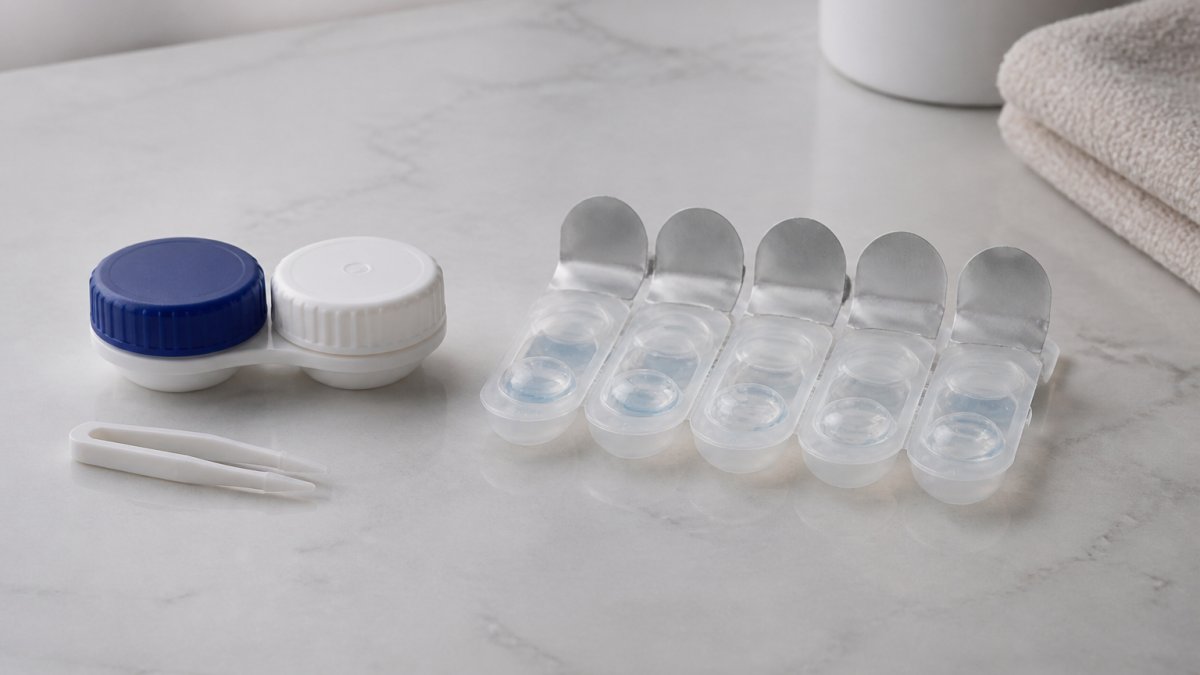
 comparison
Benefits of Switching from Monthly to Daily Contacts
Table of Contents
- Daily vs Monthly Contact Lenses: How the Two Compare
- Key Benefits of Switching from Monthly to Daily Contacts
- Daily Contacts for Dry Eyes: Comfort and Breathability
- Daily Contact Lenses Cost vs Monthly: A Personalized Breakdown
- How Long Can You Wear Daily Contacts?
- Who Should Not Switch to Daily Contacts
- Your Transition Plan: Switching Safely from Monthly to Daily Lenses
- Frequently Asked Questions
Last Updated: October 19, 2026
Daily vs Monthly Contact Lenses: How the Two Compare
Daily contacts are single-use lenses you discard every night, while monthly lenses are reusable and cleaned nightly for about a month of wear. The choice shapes everything from your morning routine to your risk of eye irritation, so it deserves more than a glance at the price tag. At Wilck Schwartz & Novak OD PC, we fit both types and walk patients through the trade-offs every week.
Replacement Schedule and Lens Material
The core difference is the replacement schedule. You open a fresh, sterile lens each morning with dailies and toss it at night. Monthly lenses stay in a case, get disinfected, and return to your eyes until the month ends.
That schedule affects the lens material too. Monthly lenses tend to be thicker to survive repeated handling and cleaning. Daily lenses are thinner and more breathable, which matters for comfort and oxygen permeability.
Care Routines and Handling
Daily lenses cut the cleaning routine to nothing. No solution, no case, no scrubbing. You open, wear, and discard.
Monthly lenses demand discipline: rinse, disinfect, store, and replace the contact lens case on schedule. Skip a step and lens deposits build up. The FDA guidance on contact lens care is blunt about this, since poor lens hygiene is a leading driver of eye infection.
Key Benefits of Switching from Monthly to Daily Contacts
The biggest benefits of switching from monthly to daily contacts come down to two things: lower infection risk and less daily hassle. For many patients, that combination is worth the higher per-lens price.
Hygiene and Infection Risk
A fresh lens every day means bacteria and protein deposits never accumulate. With reusable lenses, cleaning errors compound over weeks, a missed disinfection here, a case left open there, and infection risk climbs.
Daily disposables remove that variable almost entirely. The sterile lens goes in clean and comes out spent.
Convenience and Travel
Travel with dailies is genuinely simpler. Pack a few single-use lenses, skip the bottles and case, and you're done. Occasional wear gets easier too: wear them two days a week or seven, and nothing sits around growing bacteria between uses.
Daily Contacts for Dry Eyes: Comfort and Breathability
Daily contacts often suit dry eyes better because thinner, more breathable material supports the tear film and limits lens deposits that worsen irritation.
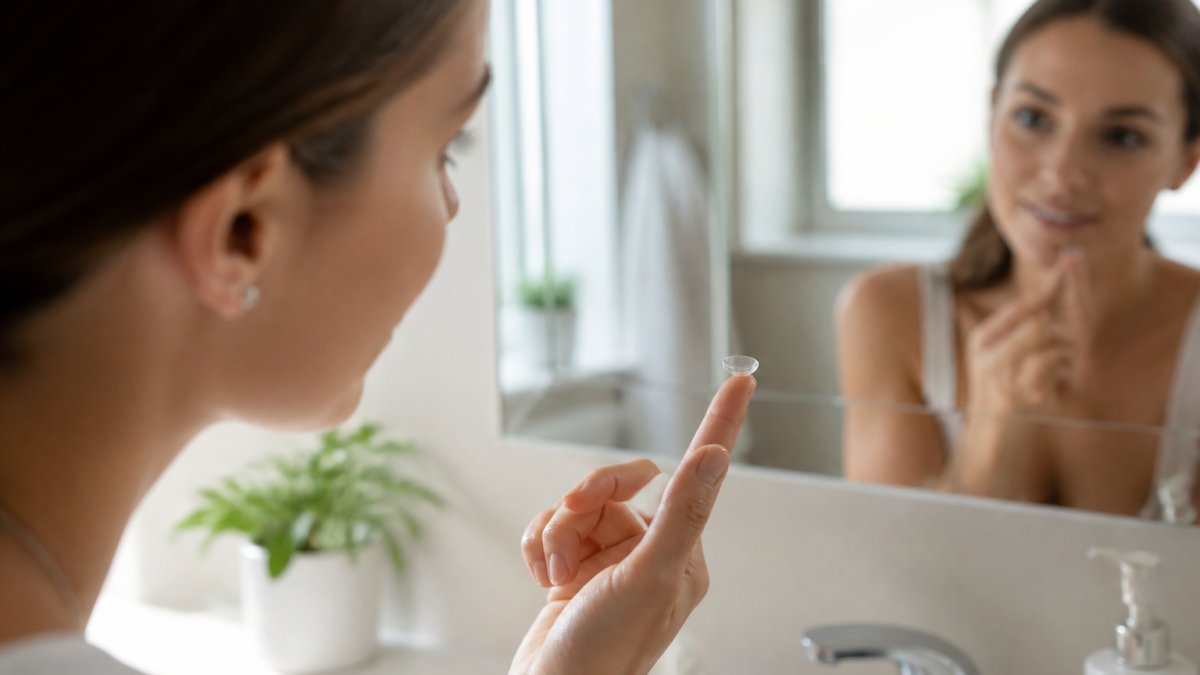
Breathability and oxygen permeability matter most here.
Daily Contact Lenses Cost vs Monthly: A Personalized Breakdown
Daily contact lenses cost more per lens than monthly lenses, but the gap narrows once you subtract the supplies monthly wear requires. Cost per day depends on your wearing time, so a personalized comparison beats any generic figure. Below are three realistic annual scenarios from common fitting patterns, plus the inputs to run your own numbers.
Three Annual Cost Scenarios
These scenarios use illustrative per-box prices only to show the method; substitute your own quote. The point is the structure, not the sticker.
| Scenario | Wear pattern | Dailies (annual) | Monthlies + supplies (annual) | Who it fits |
|---|---|---|---|---|
| Full-time wearer | 6 days/week, ~300 days | 300 lenses at roughly $1.00-$1.50 each = about $300-$450 | 12 lenses at roughly $25-$40 each = $300-$480, plus solution and case refills of roughly $120-$200 = about $420-$680 | Daily wearers who value hygiene and hate cleaning |
| Part-time wearer | 2 days/week, ~104 days | 104 lenses at roughly $1.00-$1.50 each = about $104-$156 | Same 12-lens annual supply at $300-$480, plus supplies $120-$200 = about $420-$680 | Occasional wearers, dailies usually win outright |
| Hybrid wearer | Dailies on weekends, glasses on weekdays | 104 lenses = about $104-$156 | Zero lens spend on weekdays; glasses cost separate | People who want fresh lenses only when they need them |
The hybrid row is the angle most cost comparisons skip: you need not choose one lens type for all seven days. Many patients wear dailies when they want maximum convenience and glasses or monthlies on other days, which changes the math entirely.
Hidden Costs of Monthly Lenses
Monthly lenses carry costs beyond the lenses themselves: disinfecting solution, replacement contact lens cases, and the occasional early replacement after a torn lens or an eye infection. A typical multipurpose solution runs roughly $8-$15 per bottle, and a wearer going through a bottle every four to six weeks can spend $100-$200 a year on supplies alone, the line item daily-lens shoppers forget to subtract.
Insurance Allowances and Flexible Spending
Many vision plans include a contact lens allowance, often a fixed dollar amount per year applicable to either lens type, and some let you use flexible spending account (FSA) or health savings account (HSA) funds for prescription lenses and supplies. Before comparing out-of-pocket prices, check your annual allowance, whether it resets on a calendar or plan year, and whether unused allowance rolls over.
How to Calculate Your Cost Per Day
Use this method instead of guessing:
| Step | What to Do | Example |
|---|---|---|
| 1 | Note your annual lens cost | Dailies vs. monthlies, from your quote |
| 2 | Add supplies for monthlies | Solution + case refills |
| 3 | Subtract your insurance allowance | Plan allowance applied to lenses |
| 4 | Count actual wear days per year | 2 days/week = about 104 days |
| 5 | Divide total by wear days | Gives true cost per day |
How Long Can You Wear Daily Contacts?
Daily contacts are designed for daily wear only: put them in the morning, remove them before bed, and discard them. They are not approved for extended wear or overnight use. Comfortable wearing time runs up to the limit your eye-care professional sets, and pushing past it invites eye irritation and dry eyes.
Who Should Not Switch to Daily Contacts
Daily lenses are not the right call for everyone. Some patients do better on a replacement schedule that suits their eyes and budget. Here is the balanced version, with the mechanism behind each case.
When Monthly Lenses May Suit You Better
- High annual lens spend on a tight budget. If you wear lenses nearly every day and your monthly quote is well below the daily equivalent, monthlies can be more economical, provided you actually follow the care routine. The savings only exist if the cleaning discipline holds.
- Certain prescription options or specialty fits. Not every prescription is available as a daily disposable. High astigmatism corrections, some multifocal designs, and certain keratoconus or post-surgical fits may be limited to reusable lenses. Your eye-care professional can tell you which designs exist in your prescription.
- Very high environmental-impact concerns. Dailies generate more packaging waste per year of wear, a fresh blister pack every day versus one lens per month. If packaging volume is your priority, monthlies plus a recycling program may align better, though the comparison is not one-sided (see below).
The Evidence on Risk, Qualified, Not Oversold
Daily lenses are often described as dramatically safer than monthlies. The direction is well supported, daily disposable wear is generally associated with lower rates of corneal infection and contact lens-related keratitis than reusable lens wear in published clinical literature, but the size of the difference depends on the study, the population, and how carefully the reusable group followed care instructions.
Daily-Lens Handling and Waste, The Honest Comparison
Daily lenses are not automatically more sustainable, nor automatically less. The waste picture depends on how you count:
- Packaging volume: dailies produce more blister packs and foil per year of wear.
- Solution and case waste: monthlies produce plastic bottles and cases that dailies avoid entirely.
- Material waste: daily lenses are discarded daily; monthly lenses are discarded monthly but require cleaning agents that also have a waste stream.
Some manufacturers run recycling programs for blister packs and lenses, and some communities accept them through special drop-off. Ask your eye-care professional which programs your lens brand participates in before you consider the environmental question settled.
Safe-Wear Troubleshooting
If you do switch, know what to do when something goes wrong:
- A lens feels uncomfortable on insertion: remove it, inspect for tears or debris, rinse with sterile saline only if your practitioner approves, and try a fresh lens. Do not force a damaged lens back in.
- A lens tears or is damaged: discard it. Daily disposables are single-use; a torn lens is not repairable.
- You run out of lenses: do not stretch a daily lens into a second day and do not substitute a monthly lens without a fitting. Wear glasses until you can restock.
Your Transition Plan: Switching Safely from Monthly to Daily Lenses
Switching safely starts with a contact lens prescription update and a proper lens fit, not an online cart. Here is the plan we walk patients through:
- Book a fitting. Your eye-care professional confirms the daily lens suits your eyes and prescription options.
- Try trial lenses. Wear them for a few days before committing to a supply.
- Learn the handling. Practice clean hands and correct insertion, since dailies are thinner.
- Set a discard habit. Remove and toss before bed, every night.
- Recheck comfort. Report any eye irritation or dry eyes early.
At Wilck Schwartz & Novak OD PC, our fittings use advanced equipment to check lens fit and eye health, and we treat the eye infections and dry eye syndrome that can follow a poor fit.
Switching from monthly to daily contacts is a real decision that deserves a real fitting rather than a guess. If you are weighing the change, Wilck Schwartz & Novak OD PC can assess your eye health, fit trial lenses, and manage any dry eye or infection concerns along the way.
Frequently Asked Questions
What are the main benefits of switching from monthly to daily contacts?
The main benefits include a lower risk of eye infection because each day starts with a sterile lens, no cleaning routine or contact lens case, and often greater comfort for people with dry eyes or allergies. Daily contacts also eliminate protein deposits and simplify travel. You avoid the hassle of disinfecting solution and reduce the chance of wearing a torn or contaminated lens. For many people, the convenience and hygiene advantages outweigh the higher per-lens cost.
Are daily contacts better for dry eyes than monthly lenses?
Daily contacts can be a better choice for dry eyes because they are thinner and often have higher oxygen permeability, and you insert a fresh lens every day. Monthly lenses accumulate deposits over time that can irritate eyes and worsen dryness. However, not all daily lenses are equal; your eye-care professional can recommend a specific daily lens material that suits your tear film. A proper contact lens fitting is essential to confirm comfort and fit.
How much more do daily contacts cost compared to monthly lenses?
Daily contacts typically have a higher upfront cost per box, but the total annual cost depends on how often you wear lenses. Monthly lenses require purchasing disinfecting solution and a lens case, which adds to the overall expense. If you wear contacts only occasionally, daily lenses may be more economical because you open a new lens only when needed. A personalized cost comparison from your optometrist can help you decide based on your wearing habits.
How long can you wear daily contacts in one day?
Most daily contacts are approved for up to 14 to 16 hours of wear per day, but the exact limit depends on the lens brand and your eye health. Your optometrist will give you a specific wearing schedule. Exceeding the recommended time can cause eye irritation, dry eyes, or increase infection risk. Never sleep in daily contacts unless they are specifically approved for extended wear, and always follow your prescription. If your eyes feel dry or uncomfortable, remove the lenses.
Can I switch from monthly to daily contacts without a new fitting?
You should not switch without a new contact lens fitting. Daily lenses have different material, thickness, and base curve than monthly lenses, so the fit may not be the same. An eye-care professional needs to evaluate your cornea, tear film, and prescription to ensure the new lenses are safe and comfortable. A proper fitting also includes a trial period to confirm vision and comfort. Schedule an appointment with your optometrist before making the change.