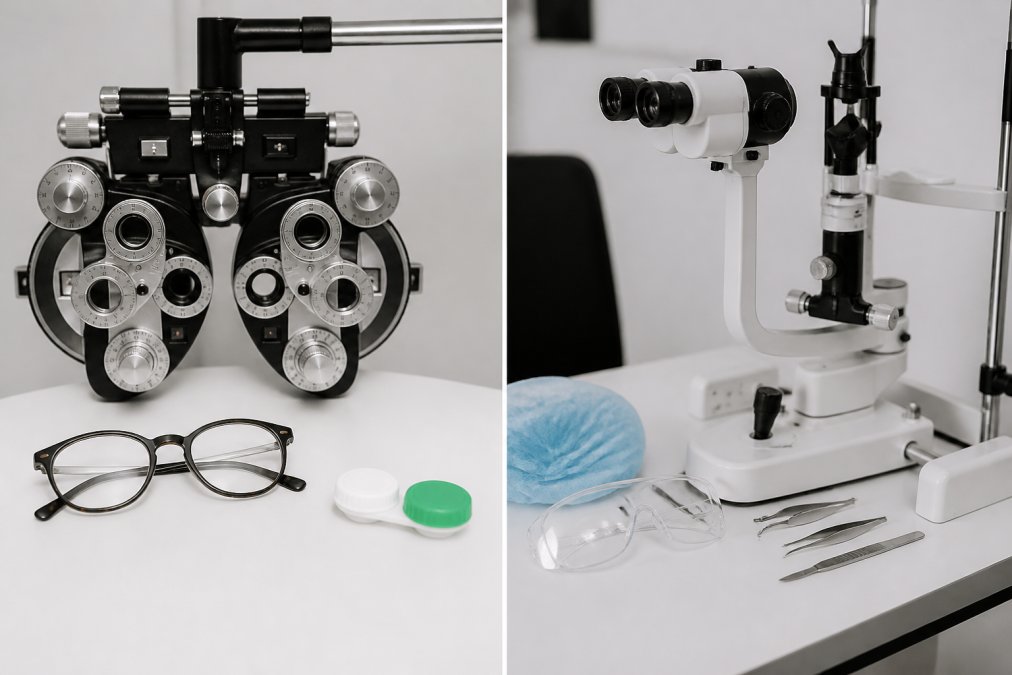
 comparison
Optometrist vs Ophthalmologist: Key Differences
Table of Contents
- What Is an Optometrist?
- What Is an Ophthalmologist?
- Optometrist vs Ophthalmologist: Core Differences
- When to See an Eye Doctor: Choosing the Right Professional
- What Does an Optician Do?
- Comprehensive Eye Exam vs Vision Screening
- Co-Management of Eye Care
- Insurance, Referrals, and Access
- Frequently Asked Questions
Last Updated: August 20, 2026
What Is an Optometrist?
An optometrist is a doctor of optometry (OD) who provides primary eye care services, including comprehensive eye exams, vision correction, and diagnosis and management of common eye conditions. Optometrists complete a four-year doctoral program in optometry after earning a bachelor's degree, followed by clinical training and licensing exams. They are trained to perform eye exams, prescribe glasses and contact lenses, diagnose eye diseases like glaucoma and diabetic retinopathy, and manage many ocular conditions with medication and other treatments.
The scope of practice varies by state, but most optometrists can diagnose and treat dry eye syndrome, eye infections, allergies, and corneal abrasions. Many also provide pre- and post-operative care for patients undergoing vision correction procedures. At Wilck Schwartz & Novak OD PC, optometrists use advanced optometric equipment to assess overall eye health and ensure early detection of conditions that could affect vision. Optometrists serve as the first line of primary eye care for many patients, excelling at comprehensive eye exams that evaluate visual acuity, eye focusing ability, and overall ocular health. If an optometrist detects a condition requiring surgical intervention or specialized medical treatment, they refer the patient to an ophthalmologist.
What Is an Ophthalmologist?
An ophthalmologist is a medical doctor (MD) or doctor of osteopathic medicine (DO) who specializes in comprehensive eye care, including medical and surgical treatment of eye diseases. Ophthalmologists complete medical school followed by a residency program in ophthalmology, typically lasting four to five years. This extensive clinical training includes rotations in various subspecialties and hands-on surgical experience, making them qualified to perform complex ophthalmic surgeries like cataract surgery, refractive surgery, and retinal procedures.
Ophthalmologists are board-certified medical specialists trained to diagnose and treat all eye conditions, from routine refractive errors to complex ocular diseases. They can prescribe glasses and contacts, perform eye exams, and provide medical management of conditions like glaucoma, macular degeneration, and diabetic retinopathy. Unlike optometrists, ophthalmologists can perform surgery and have completed extensive training in specialized medical treatment of the eye.
Optometrist vs Ophthalmologist: Core Differences
Understanding the distinction between an optometrist and an ophthalmologist helps patients choose the right eye care professional for their needs. While both are qualified eye doctors, their training, scope of practice, and capabilities differ significantly.
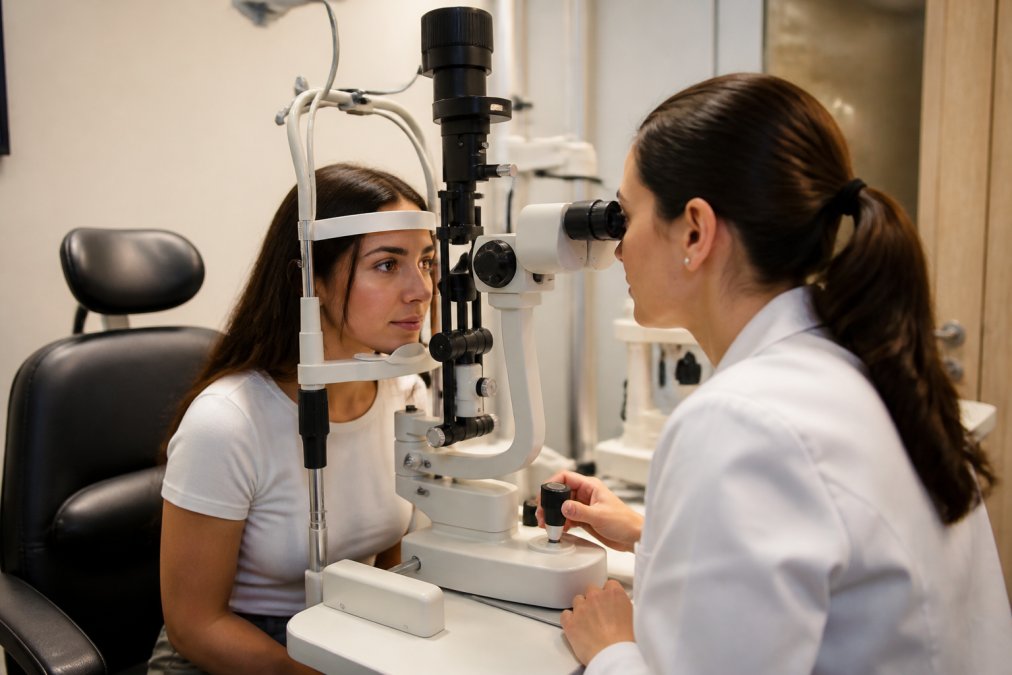
Training and Education
An optometrist completes a four-year Doctor of Optometry (OD) program after earning a bachelor's degree, including coursework in optics, pharmacology, ocular disease, and clinical training. After graduation, optometrists must pass licensing exams to practice independently.
An ophthalmologist attends medical school (four years) to earn an MD or DO degree, then completes a residency program in ophthalmology lasting four to five years. During residency, ophthalmologists receive intensive clinical training in surgical techniques, complex disease management, and specialized procedures. Many pursue additional fellowship training in subspecialties like corneal surgery, retinal disease, or glaucoma management. Ophthalmologists receive hundreds of hours of hands-on surgical training during residency, while optometrists' surgical training is limited to diagnostic and therapeutic procedures within their scope of practice.
Scope of Practice
An optometrist's scope of practice includes performing comprehensive eye exams, prescribing glasses and contact lenses, diagnosing eye diseases, and managing many common ocular conditions with medication and other treatments. In many states, optometrists can prescribe topical medications for eye conditions and perform minor procedures like removing corneal abrasions or treating dry eye syndrome.
An ophthalmologist's scope is broader and includes everything an optometrist can do, plus surgical intervention. Ophthalmologists perform cataract surgery, refractive surgery (LASIK and PRK), retinal surgery, glaucoma surgery, and other complex procedures. If you need a routine eye exam and glasses prescription, an optometrist provides excellent primary eye care. If you develop cataracts, need LASIK, or have advanced glaucoma requiring surgical management, you'll need an ophthalmologist.
Surgical Capabilities
Optometrists are not trained to perform surgical procedures. Their role focuses on diagnostic testing, disease management, and prescriptive care. While they can diagnose conditions requiring surgery, they refer patients to ophthalmologists for surgical intervention.
Ophthalmologists perform many surgical procedures. Cataract surgery removes a clouded lens and replaces it with an artificial intraocular lens. Refractive surgery like LASIK reshapes the cornea to correct myopia, hyperopia, and astigmatism. Retinal surgery addresses conditions like retinal detachment and macular degeneration. Glaucoma surgery helps manage elevated intraocular pressure. The surgical training ophthalmologists receive during residency makes them uniquely qualified to perform these procedures safely and effectively.
When to See an Eye Doctor: Choosing the Right Professional
Choosing between an optometrist and an ophthalmologist depends on your specific eye care needs. For routine primary eye care, an optometrist is an excellent choice. For specialized medical treatment or surgery, you need an ophthalmologist.

See an optometrist if you need:
- Routine eye exams and vision screening
- Glasses or contact lens prescriptions
- Diagnosis and management of common eye conditions
- Treatment for dry eye, allergies, or minor infections
- Pre- and post-operative care for vision correction procedures
- Early detection of eye diseases through comprehensive eye exams
See an ophthalmologist if you need:
- Surgical treatment for cataracts, glaucoma, or retinal conditions
- Management of complex ocular diseases requiring specialized expertise
- LASIK or other refractive surgery
- Treatment of diabetic retinopathy or macular degeneration
- Evaluation of sudden vision loss or serious eye injuries
- Subspecialty care from a corneal specialist, retinal specialist, or glaucoma specialist
Many patients benefit from a relationship with both professionals. An optometrist provides ongoing primary eye care and early detection, while an ophthalmologist handles specialized medical and surgical needs. At Wilck Schwartz & Novak OD PC, the team works closely with ophthalmologists to ensure patients receive appropriate referrals and coordinated care when specialized treatment is needed.
What Does an Optician Do?
An optician is a third eye care professional distinct from both optometrists and ophthalmologists. Opticians are trained to dispense eyewear, including glasses and contact lenses, based on prescriptions written by optometrists or ophthalmologists. They are not medical doctors and do not perform eye exams or diagnose eye diseases.
Opticians have specialized training in optics, lens design, and fitting techniques. They help patients select frames, determine the correct lens type and power, and ensure proper fit and comfort. Many opticians also fit contact lenses, adjusting the fit and power until the patient achieves clear, comfortable vision. A skilled optician can identify fitting problems, suggest appropriate lens options, and ensure patient satisfaction.
Comprehensive Eye Exam vs Vision Screening
A comprehensive eye exam and a vision screening are not the same thing. A comprehensive eye exam is a thorough evaluation of your eye health and visual function, while a vision screening is a brief test that checks only visual acuity.
A comprehensive eye exam typically includes visual acuity testing, refraction to determine your glasses prescription, assessment of eye focusing ability and alignment, evaluation of eye pressure, examination of the optic nerve and retina, and screening for eye diseases like glaucoma, diabetic retinopathy, and macular degeneration. The exam may include advanced diagnostic testing like optical coherence tomography (OCT) or visual field testing. A comprehensive exam takes 30 to 60 minutes and provides a complete picture of your eye health.
A vision screening, often performed at schools or during routine physical exams, checks only whether you can see clearly at a distance. It does not evaluate eye health, screen for diseases, or assess your complete visual function. Early detection of eye diseases prevents vision loss. A comprehensive eye exam can identify glaucoma, diabetic retinopathy, and macular degeneration before symptoms appear, when treatment is most effective.
| Aspect | Comprehensive Eye Exam | Vision Screening |
|---|---|---|
| Time Required | 30-60 minutes | 5-10 minutes |
| Visual Acuity Testing | Yes, detailed | Yes, basic only |
| Refraction for Glasses | Yes | No |
| Eye Health Assessment | Yes, thorough | No |
| Disease Screening | Yes (glaucoma, retinopathy, macular degeneration) | No |
| Diagnostic Testing | Yes (OCT, visual fields, tonometry) | No |
| Best For | Routine care, disease detection, comprehensive assessment | Quick screening, identifying obvious vision problems |
Co-Management of Eye Care
Co-management is a collaborative approach where an optometrist and ophthalmologist work together to provide comprehensive eye care for a patient. This model is especially valuable for patients with complex eye conditions or those undergoing surgical procedures.
In a co-management arrangement, the optometrist typically provides routine primary eye care, including eye exams, disease monitoring, and management of stable conditions. When a patient develops a condition requiring specialized expertise or surgery, the optometrist refers the patient to an ophthalmologist. After surgery or specialized treatment, the patient may return to the optometrist for ongoing management and monitoring.
For example, a patient with early glaucoma sees an optometrist for routine care and eye pressure monitoring. If the condition progresses despite medical management, the optometrist refers the patient to a glaucoma specialist. The specialist performs surgery if needed, then the patient returns to the optometrist for long-term follow-up care. Co-management ensures patients receive the right level of care at the right time. Many practices, including Wilck Schwartz & Novak OD PC, maintain strong referral relationships with ophthalmologists to facilitate seamless co-management when patients need specialized care.
Insurance, Referrals, and Access
Insurance coverage and referral requirements vary depending on your insurance plan and whether you see an optometrist or ophthalmologist. Many insurance plans cover routine eye exams with an optometrist as part of primary eye care. Some plans require a referral from your primary care physician before seeing an eye care specialist, while others allow direct access. Coverage for glasses and contact lenses varies widely.
If your insurance plan requires a referral to see an ophthalmologist, your optometrist can provide one when specialized care is needed. Some plans have different copays for optometrists versus ophthalmologists, so it's worth checking your coverage before scheduling an appointment.
Access to eye care varies geographically. In urban areas, patients typically have multiple optometrists and ophthalmologists to choose from. In rural areas, access may be limited. For patients without insurance, programs like EyeCare America, a public service program of the American Academy of Ophthalmology provide access to free medical eye exams by volunteer ophthalmologists for eligible uninsured individuals.
Understanding the difference between an optometrist and an ophthalmologist helps you make informed decisions about your eye care. Optometrists provide excellent primary eye care through comprehensive exams and disease management, while ophthalmologists offer specialized medical and surgical expertise. Many patients benefit from seeing both professionals as part of coordinated care. If you're in the Brooklyn area and seeking comprehensive eye care for your family, Wilck Schwartz & Novak OD PC offers advanced optometric equipment and modern technologies for precise diagnosis and treatment. Schedule an appointment to discuss your eye care needs and learn how early detection and professional management can protect your vision for life.
Frequently Asked Questions
Is it better to go to an optometrist or ophthalmologist?
The best choice depends on your eye care needs. For routine eye exams, vision correction, and management of common eye conditions, an optometrist provides comprehensive eye health assessment and primary care. If you have a complex ocular disease, need surgical intervention, or require specialized medical treatment, an ophthalmologist is the appropriate choice. Many patients benefit from seeing both: an optometrist for ongoing primary eye care and an ophthalmologist for specialized conditions or surgical procedures.
Can an optometrist diagnose glaucoma?
Yes, optometrists can diagnose glaucoma and many other ocular diseases. They perform comprehensive eye exams that include tonometry (measuring eye pressure), visual field testing, and optic nerve evaluation. Once diagnosed, an optometrist can manage glaucoma with medications and monitoring, or refer you to an ophthalmologist for more specialized medical or surgical management if needed.
What is the difference between a comprehensive eye exam and a vision screening?
A vision screening is a brief test that checks if you can see 20/20 and identifies obvious vision problems. A comprehensive eye exam is much more thorough, evaluating overall eye health, measuring refractive error, testing for eye diseases like glaucoma and macular degeneration, assessing eye coordination, and examining the health of your retina and optic nerve. School screenings catch gross vision issues but may miss subtle problems that a comprehensive exam would detect.
Do I need a referral to see an ophthalmologist?
Requirements vary by insurance plan and situation. Some insurance plans require a referral from your primary care doctor or optometrist, while others allow direct access. If you have a medical condition diagnosed by your optometrist, you'll typically receive a referral. For urgent eye emergencies or if you're seeking a second opinion, many ophthalmologists accept self-referrals. Contact your insurance provider or the ophthalmologist's office to confirm their referral requirements.
This article was written using GrandRanker