 blog
Supplements for Meibomian Gland Dysfunction Relief
Table of Contents
- Understanding Meibomian Gland Dysfunction and Dry Eye
- Omega-3 Fatty Acids and Their Role in MGD Relief
- Omega-3 Dosage for Dry Eye: What the Evidence Shows
- Omega-3 Side Effects and Safety Considerations
- Vitamin A, Lutein, and Antioxidants for Ocular Surface Health
- Foods for Meibomian Gland Dysfunction Support
- Realistic Expectations: What Supplements Can and Cannot Do
- When to Seek Professional Eye Care for MGD
- Frequently Asked Questions
Last Updated: October 8, 2026
Understanding Meibomian Gland Dysfunction and Dry Eye
Meibomian gland dysfunction affects the oils your eyes produce. When these glands don't work properly, your tear film becomes unstable. This leads to dry eye disease and ocular surface irritation that drops alone often can't fix.
At Wilck Schwartz & Novak OD PC, we see patients daily struggling with this condition. The glands that line your eyelids produce the lipid layer that keeps tears from evaporating too fast. Without healthy oil production, tears break apart in seconds instead of minutes.
How MGD Affects Tear Quality and Ocular Surface Health
Your tear film has three layers: water, mucus, and oil. The oil layer is critical. It seals moisture in and protects the ocular surface from bacteria and debris.
When meibomian gland dysfunction develops, the oil becomes thick or absent. Tear breakup time (TBUT) drops. Your eyes dry out faster. The ocular surface becomes inflamed.
Addressing MGD requires more than eye drops. Many patients need to support tear quality from the inside.
Omega-3 Fatty Acids and Their Role in MGD Relief
Omega-3 fatty acids reduce inflammation throughout your body, including your eyes. They improve the composition of meibomian gland secretions. Better oil quality means better tear stability.
Two omega-3 types matter most: EPA and DHA. Both come from fish oil or marine sources. Flaxseed oil contains ALA, a plant-based omega-3 that your body converts to EPA and DHA, though less efficiently.
EPA and DHA: The Key Components for Tear Film Stability
EPA and DHA directly support tear film health. They reduce lid margin inflammation. They help glands produce oils that don't clog as easily.
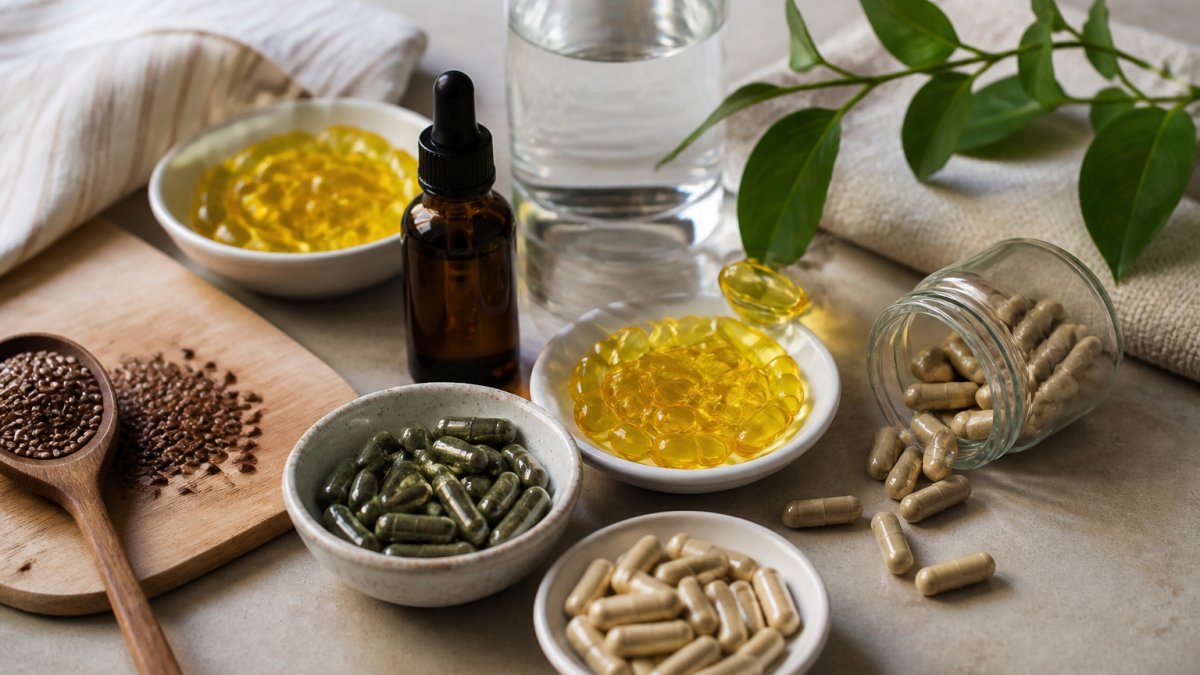
Fish oil supplements deliver both EPA and DHA in concentrated form. Eating fatty fish three times weekly provides similar benefits. Salmon, mackerel, sardines, and herring are your best sources.
The anti-inflammatory effects take weeks to build. Most people notice improvement after 4-12 weeks of consistent use. Your glands need time to adapt and produce healthier secretions.
Omega-3 Dosage for Dry Eye: What the Evidence Shows
Dosing omega-3s for meibomian gland dysfunction is less settled than most articles suggest. The honest answer is that the evidence is mixed, and the right dose depends on your baseline intake, symptom severity, and what your clinician recommends.
What the Research Actually Shows
The strongest signal comes from studies using higher doses of combined EPA and DHA, generally in the 1,000-2,000 mg per day range. Some trials have shown improvements in tear breakup time, ocular surface symptom scores, and meibomian gland secretion quality.
A common pattern in the literature is that benefits are modest and inconsistent. That does not mean omega-3s don't work.
Reading a Supplement Label: EPA, DHA, and Serving Size
The number on the front of the bottle is usually the total oil weight, not the amount of EPA and DHA. That distinction matters.
- A bottle labeled "1,000 mg fish oil" often contains only 300 mg of combined EPA and DHA per softgel. The rest is other fats.
- A concentrated product labeled "1,000 mg" may contain 600-800 mg of combined EPA and DHA.
- Serving size may be one softgel or two. Always check whether the EPA and DHA numbers are per capsule or per serving.
To hit 1,000-2,000 mg of combined EPA and DHA, you may need two to six softgels of a standard product, or one to two of a concentrated one. Compare the EPA plus DHA figure, not the total oil weight.
Forms and Quality Checks
- Triglyceride form vs. ethyl ester form. Triglyceride-form oils are generally better absorbed. Ethyl ester products are common and cheaper but may need to be taken with a fatty meal for best absorption.
- Third-party testing. Look for a seal or statement indicating testing by an independent lab. This is your best signal that the product is not oxidized and does not contain contaminants.
- Freshness. Omega-3s oxidize over time. A rancid or heavily fishy-smelling product is a sign of degradation. Store in a cool, dark place and check the expiration date.
Dose, Duration, and Realistic Expectations
- Start at a moderate dose, around 1,000 mg combined EPA and DHA daily.
- Give it 8-12 weeks before judging results. Gland secretions and tear film take time to shift.
- Track symptoms with a simple daily note: dryness, grittiness, burning, and how long your eyes feel comfortable.
- If you notice no change after 12 weeks at a moderate dose, talk to your clinician before escalating. Higher doses are not risk-free.
Consistency matters more than peak dose. A steady daily intake supports tear film health better than sporadic large doses.
Food vs. Supplements
Two servings of fatty fish per week, such as salmon, mackerel, sardines, or herring, can provide meaningful EPA and DHA. If you eat fish regularly, you may need less supplemental omega-3. If you don't, a supplement is a practical way to close the gap. Neither approach is inherently superior; the goal is a consistent intake.
Omega-3 Side Effects and Safety Considerations
Omega-3 supplements are generally well tolerated, but "generally safe" is not the same as "safe for everyone." A few practical points can help you avoid problems.
Common Side Effects
- Fishy aftertaste or burping, especially with standard fish oil
- Mild nausea or stomach upset
- Loose stools or mild digestive changes
- Headache in some people
These usually fade within a few days to a couple of weeks. Taking the supplement with a meal that contains some fat can reduce stomach upset and improve absorption. If you cannot tolerate fish oil, algae-based omega-3 is an option, though it typically costs more.
Bleeding and Medication Interactions
At higher doses, omega-3s can thin the blood slightly and increase bruising or bleeding. This is usually minor, but it matters if you take:
- Blood thinners such as warfarin or direct oral anticoagulants
- Antiplatelet medications such as aspirin or clopidogrel
- Other supplements that affect clotting, including high-dose vitamin E, ginkgo, or garlic
Allergies
Fish and shellfish allergies are a real concern with marine omega-3 products. If you have a fish allergy, choose an algae-based omega-3 or a flaxseed-based product and confirm with your clinician. Some fish oil products are highly purified and may be tolerated, but this is a decision to make with professional guidance, not on your own.
Pregnancy and Nursing
Omega-3s, particularly DHA, are important during pregnancy and nursing. However, the source matters. Some fish contain mercury, and certain fish oil products are derived from species that may carry higher levels. If you are pregnant or nursing, choose a product that is third-party tested for contaminants and discuss the dose with your obstetric clinician.
Who Should Consult a Clinician First
Check with a healthcare provider before starting omega-3 supplements if you:
- Take any prescription medication, especially blood thinners
- Have a bleeding disorder or a scheduled surgery
- Are pregnant, planning pregnancy, or nursing
- Have a fish or shellfish allergy
- Have a history of atrial fibrillation, since very high doses have been associated with rhythm changes in some studies
- Have liver or pancreatic conditions
Quality and Storage
Quality varies widely. Cheaper products may contain oxidized oils or contaminants that cause more side effects and deliver less benefit. Look for third-party testing, a clear EPA and DHA breakdown, and a reasonable expiration date. Store in a cool, dark place. Heat and light degrade omega-3s quickly, and a degraded supplement will not help your meibomian gland dysfunction.
A Note on Personalized Guidance
Omega-3s are safe for most people at moderate doses, but the right choice depends on your medications, allergies, diet, and health history. This is one area where a brief conversation with a clinician or pharmacist can prevent a problem and help you pick a product that actually fits your situation.
Vitamin A, Lutein, and Antioxidants for Ocular Surface Health
Beyond omega-3s, other nutrients support eye health and reduce oxidative stress on the ocular surface.
Vitamin A maintains healthy epithelial cells on your eye surface. Deficiency causes dry eye and gland dysfunction.
Lutein and zeaxanthin are carotenoid antioxidants that filter blue light and reduce inflammation. They accumulate in the retina and lens.
Astaxanthin is a powerful antioxidant found in algae and seafood. It crosses the blood-eye barrier effectively.
These nutrients work best together.
Foods for Meibomian Gland Dysfunction Support
Food choices directly impact meibomian gland dysfunction. Eating the right nutrients reduces inflammation and supports tear production.
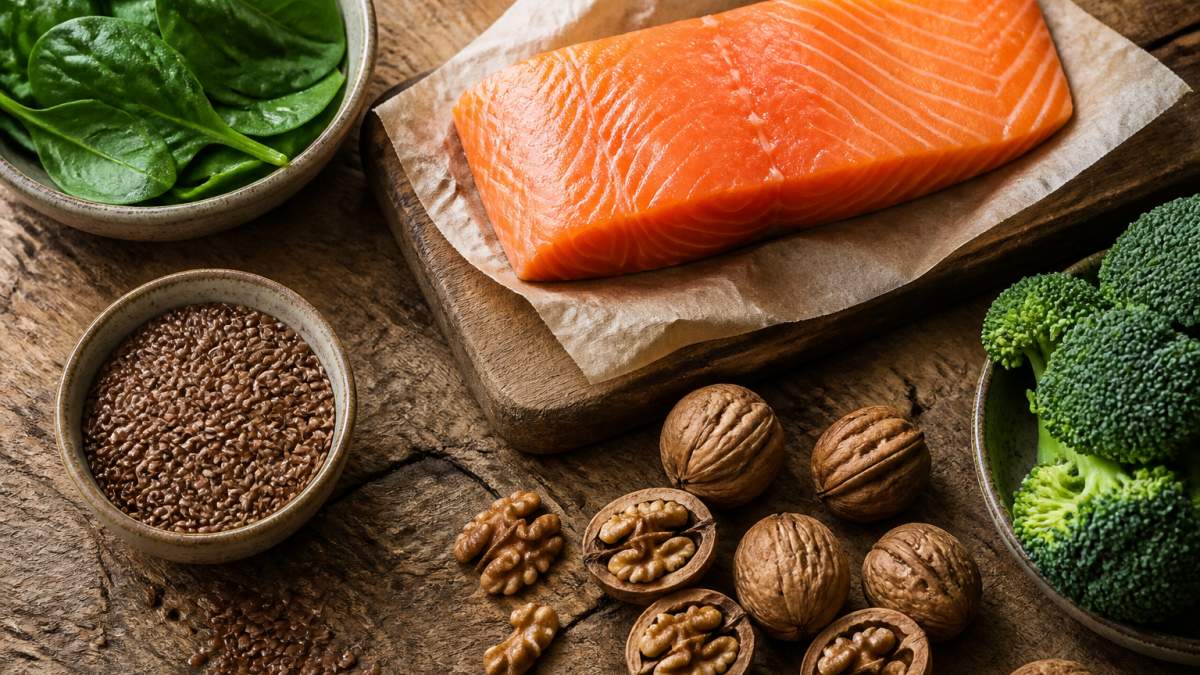
Fatty fish tops the list. Salmon, sardines, mackerel, and herring deliver EPA and DHA in high concentrations.
Plant-based omega-3 sources include:
- Flaxseeds and flaxseed oil
- Chia seeds
- Walnuts
- Hemp seeds
These contain ALA, which your body converts to EPA and DHA.
Antioxidant-rich foods support ocular surface health:
- Spinach and kale
- Broccoli
- Bell peppers
- Blueberries
- Carrots
Hydration matters too. Drink water throughout the day. Dehydration worsens dry eye and reduces tear production.
Avoid excessive alcohol and caffeine. Both increase fluid loss and worsen meibomian gland dysfunction symptoms.
Realistic Expectations: What Supplements Can and Cannot Do
Supplements for meibomian gland dysfunction relief help, but they're not a cure. Meibomian gland dysfunction is a chronic condition requiring ongoing management.
Supplements reduce inflammation and improve tear quality. They do NOT reverse permanent gland damage.
Most people see improvement after 8-12 weeks. Some respond faster; others take longer.
Supplements work best alongside other treatments:
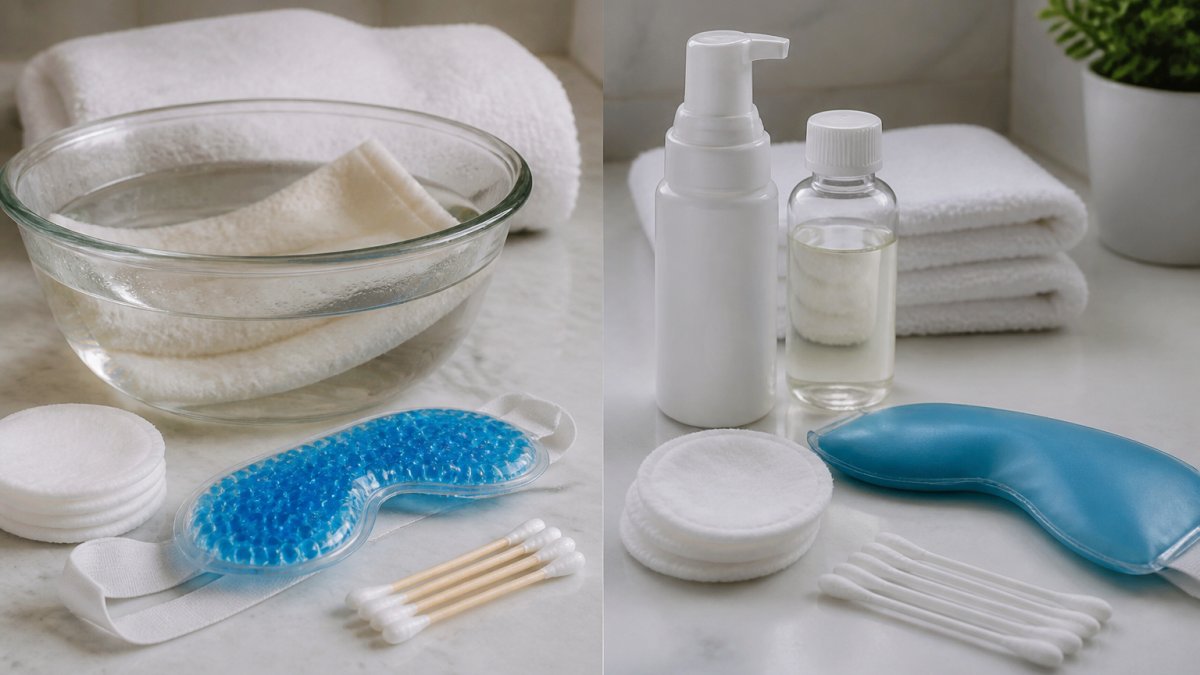
- Warm compresses to open clogged glands
- Eyelid hygiene and gentle massage
- Artificial tears for symptom relief
- Professional meibomian gland expression when needed
Think of supplements as one tool in a larger toolkit.
Expectations matter. If you expect supplements to eliminate all symptoms alone, you'll be disappointed.
When to Seek Professional Eye Care for MGD
Supplements help many people, but meibomian gland dysfunction sometimes requires professional evaluation and treatment.
See an eye care provider if:
- Symptoms worsen despite supplements and home care
- Your eyes feel increasingly dry or irritated
- You have redness, discharge, or pain
- You're unsure whether your condition is MGD or something else
- You need guidance on supplement selection or dosing
Professional evaluation matters. What feels like dry eye might be allergies, infection, or another condition requiring different treatment.
Wilck Schwartz & Novak OD PC provides comprehensive dry eye evaluation and management.
Professional care also includes meibomian gland expression, lid margin treatment, and prescription options if supplements don't provide sufficient relief.
Schedule an appointment if supplements aren't delivering the relief you expected.
Meibomian gland dysfunction requires a multi-faceted approach.
Frequently Asked Questions
Can supplements help meibomian gland dysfunction?
Supplements containing omega-3 fatty acids, vitamin A, and antioxidants may support ocular surface health and tear quality in MGD. However, supplements work best as part of a broader approach that includes warm compresses, lid hygiene, and professional evaluation. Research shows omega-3 supplementation can improve tear film stability and reduce inflammation, but results vary by individual. Supplements do not replace medical diagnosis or treatment, consult an eye care professional to determine if supplements are appropriate for your specific condition.
How much omega-3 should I take for dry eye related to meibomian gland dysfunction?
The right omega-3 dose for dry eye depends on your overall health, current medications, and the specific formulation. Start with a lower dose and allow 4-12 weeks to assess results. Always consult your eye care provider or physician before starting supplementation to confirm the appropriate dose for your individual situation.
What are the side effects of omega-3 supplements for dry eye?
Common side effects of omega-3 supplements include mild gastrointestinal upset, fishy aftertaste, and nausea, especially when taken on an empty stomach. Taking supplements with food often reduces these effects. Omega-3s can increase bleeding risk in people taking blood thinners; discuss this with your physician before starting. Allergic reactions are rare but possible, particularly in people with fish allergies. Most people tolerate omega-3 supplements well when taken as directed. Report any unusual symptoms to your healthcare provider.
How long does it take for supplements to help meibomian gland dysfunction and dry eye?
Most people notice gradual improvement in dry eye symptoms over 4 to 12 weeks of consistent omega-3 supplementation. Some studies show measurable changes in tear breakup time and tear quality within 3 months. Results depend on dose, individual metabolism, and the underlying cause of MGD. Patience is essential, supplements work gradually by reducing inflammation and supporting tear film quality, not by providing immediate relief like eye drops. If symptoms do not improve after 12 weeks, consult your eye care provider to reassess your approach.