 ultimate-guide
Best Diet for Chronic Dry Eye Relief: What to Eat
Table of Contents
- How Diet Influences Chronic Dry Eye
- Omega-3 Fatty Acids for Dry Eyes: The Cornerstone of Relief
- Key Vitamins and Antioxidants for Tear Film Stability
- Foods to Avoid for Dry Eye Syndrome
- Supplements for Chronic Dry Eye: When Whole Foods Aren't Enough
- The Gut-Eye Axis and Hydration: Two Overlooked Factors
- Building Your Plate: A Sample Day of Dry Eye-Friendly Meals
- When Diet Alone Isn't Enough: A Word from Our Practice
- Frequently Asked Questions
Last Updated: September 21, 2026
How Diet Influences Chronic Dry Eye
The best diet for chronic dry eye relief centers on anti-inflammatory whole foods rich in omega-3 fatty acids, vitamin A, and antioxidants. Dry eye relief starts with understanding that your tear film has three layers, and each depends on specific nutrients to function. When those nutrients run short, tear film stability drops, and symptoms follow. This guide breaks down exactly what to eat, what to skip, and how to build meals that support your eyes. (Source: American Optometric Association guidance on nutrition and eye health)
Omega-3 Fatty Acids for Dry Eyes: The Cornerstone of Relief
Omega-3 fatty acids for dry eyes are the most studied nutritional intervention, and for good reason. These fats support the lipid layer of your tear film, which slows evaporation between blinks. When the lipid layer thins, tears evaporate too quickly, a hallmark of meibomian gland dysfunction. According to American Optometric Association guidance on nutrition and eye health, adequate omega-3 intake supports tear production and ocular surface comfort.
Best Food Sources of EPA and DHA
Fatty fish delivers the most bioavailable forms of eicosapentaenoic acid (EPA) and docosahexaenoic acid (DHA). Wild-caught salmon, sardines, mackerel, and tuna top the list. For plant-based eaters, flaxseed oil, chia seeds, and walnuts provide alpha-linolenic acid, though conversion to EPA and DHA is limited. Aim for two servings of fatty fish weekly.
| Food Source | Key Nutrient | Serving Suggestion |
|---|---|---|
| Wild-caught salmon | EPA, DHA | 2-3 times weekly |
| Flaxseed oil | ALA (plant omega-3) | 1 tbsp daily |
| Walnuts | ALA, vitamin E | Small handful daily |
| Sardines | EPA, DHA, zinc | 2-3 times weekly |
Key Vitamins and Antioxidants for Tear Film Stability
Vitamin A and the antioxidants lutein and zeaxanthin directly support corneal health and conjunctival tissue. A deficiency in any of these nutrients can worsen aqueous deficiency and increase oxidative stress on the ocular surface. The practical takeaway: build meals around color and variety.
Vitamin A and the Ocular Surface
Vitamin A is essential for maintaining healthy epithelial tissue on the ocular surface. Carrots, sweet potatoes, and leafy greens like kale and spinach provide beta-carotene, which the body converts to vitamin A. Without enough, tear production suffers.
Lutein, Zeaxanthin, and Vitamin C
Lutein and zeaxanthin concentrate in eye tissue and help filter harmful light while reducing oxidative stress. Bell peppers deliver a strong dose of vitamin C, which supports collagen in eye tissue. Pair these with healthy fats to improve absorption.
Foods to Avoid for Dry Eye Syndrome
Foods to avoid for dry eye syndrome are largely the same ones that drive systemic inflammation, but the mechanism matters more than the label. Chronic low-grade inflammation disrupts the meibomian glands that produce the lipid layer of your tear film, and it can also impair lacrimal gland output. That means the goal isn't avoiding "bad" foods in the abstract, it's reducing the specific inputs that keep your immune system in a low-grade activated state.
The Main Culprits and Why They Matter
Refined seed oils high in omega-6. Soybean, corn, sunflower, safflower, and cottonseed oils dominate fried foods, packaged snacks, and most restaurant cooking. Linoleic acid (the dominant omega-6 in these oils) competes with omega-3s for the same enzymes, so a diet heavy in them can crowd out the EPA and DHA your tear film needs. The practical target isn't zero omega-6, your body requires some, it's a better ratio.
What to Swap In Instead
| Instead of | Try |
|---|---|
| Chips and packaged snacks | Pumpkin seeds, roasted chickpeas, or sliced bell peppers with hummus |
| Sweetened soda or juice | Sparkling water with lime, or unsweetened green tea |
| Fried takeout | Grilled or roasted protein with olive oil and vegetables |
| White bread and pastries | Oats, quinoa, or whole-grain toast with nut butter |
| Deli meat sandwiches | Canned salmon or sardines on whole-grain crackers |
A Note on Allergy-Friendly Alternatives
If you have a fish or nut allergy, the standard "eat more salmon and walnuts" advice doesn't apply. Chia seeds, hemp hearts, and flaxseed still supply alpha-linolenic acid (ALA), and algal oil, derived from the same microalgae that fish eat, provides preformed DHA and EPA without any fish. For protein, lean poultry, eggs, and legumes fill the gap. The anti-inflammatory framework holds; only the specific foods change. (Source: National Institutes of Health Office of Dietary Supplements fact sheet on Vitamin A)
Supplements for Chronic Dry Eye: When Whole Foods Aren't Enough
Supplements for chronic dry eye make sense when dietary intake falls short, but whole foods remain the better first line for most people. The reason comes down to bioavailability, how much of a nutrient your body actually absorbs and uses, and the difference between forms is larger than most people expect.
Whole Food vs. Supplement: What the Bioavailability Gap Looks Like
When you eat fatty fish with a meal, the EPA and DHA arrive packaged in triglycerides alongside other fats, fat-soluble vitamins, and cofactors that improve absorption. Fish oil capsules vary widely: some are re-esterified triglycerides (better absorbed), some are ethyl esters (less so), and absorption improves when taken with a fat-containing meal rather than on an empty stomach. Krill oil delivers omega-3s partly as phospholipids, which some evidence suggests absorb more efficiently per milligram, though the total omega-3 dose per capsule is often lower.
If You Do Supplement, Here's What to Look For
- Third-party testing. Look for USP, NSF, or ConsumerLab verification. Supplements are not pre-approved for safety by the FDA the way drugs are, so independent testing is your main quality signal.
- Triglyceride form for fish oil. Listed as "TG" or "rTG" on the label, this form tends to absorb better than ethyl ester ("EE").
- Real EPA + DHA content, not total oil weight. A 1,000 mg capsule may contain only 300 mg of combined EPA and DHA. Read the back panel, not the front.
- Vitamin A as beta-carotene, not retinol, unless a clinician directs otherwise. Retinol doses above the tolerable upper intake level carry liver and bone risks.
- Check for interactions. Omega-3s can interact with blood thinners; vitamin A interacts with certain acne medications and can be risky in pregnancy.
The National Institutes of Health Office of Dietary Supplements maintains fact sheets on omega-3 and vitamin A intake that clarify upper limits and interactions.
A Practical Decision Framework
| Situation | Best First Move |
|---|---|
| You eat fatty fish 2+ times weekly | Skip the fish oil; focus on produce and hydration |
| You eat little to no fish | Consider a triglyceride-form fish oil with a meal |
| You're vegetarian or vegan | Algal oil for DHA/EPA; flax and chia for ALA |
| You have a fish or shellfish allergy | Algal oil is the safe preformed omega-3 source |
| You're pregnant or on blood thinners | Talk to your clinician before starting anything |
The Gut-Eye Axis and Hydration: Two Overlooked Factors
The gut-eye axis describes how gut bacteria influence systemic inflammation, which in turn affects the ocular surface. Some eye care providers now consider gut health when dry eye symptoms resist standard treatment. Fermented foods, fiber from whole grains, and adequate hydration support a healthier microbiome. Hydration matters just as much: without enough water, your body cannot maintain tear film volume, no matter how many omega-3s you eat.
Building Your Plate: A Sample Day of Dry Eye-Friendly Meals
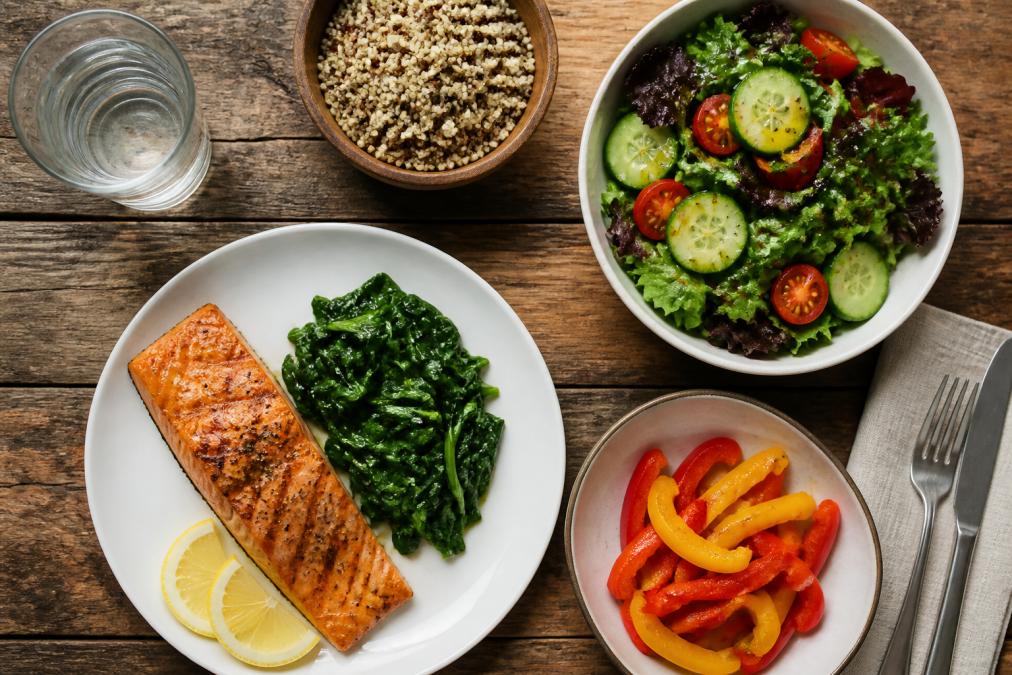
A sample day might look like this:
- Breakfast: Greek yogurt with walnuts, chia seeds, and blueberries
- Lunch: Quinoa bowl with kale, roasted bell peppers, and olive oil
- Snack: Pumpkin seeds and sliced cucumber
- Dinner: Grilled wild-caught salmon with spinach and sweet potato
- Hydration: Water throughout the day, plus watermelon as an evening treat
When Diet Alone Isn't Enough: A Word from Our Practice
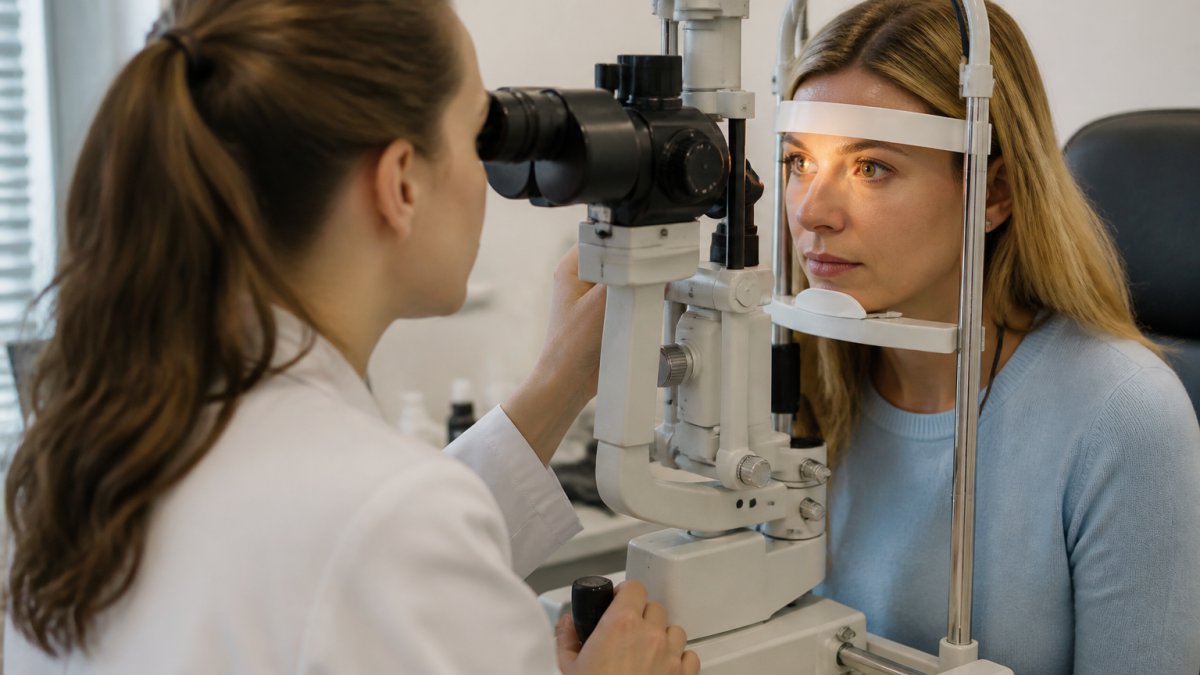
Nutritional intervention is powerful, but it isn't a substitute for a proper eye exam. Chronic dry eye has multiple causes, including meibomian gland dysfunction, allergies, and medication side effects. At Wilck Schwartz & Novak OD PC, we use advanced diagnostic equipment to identify what's actually driving your symptoms before recommending a treatment plan. Diet supports that plan, but it doesn't replace it.
Frequently Asked Questions
What nutrient deficiency can cause dry eye?
Low intake of omega-3 fatty acids, vitamin A, and zinc can contribute to dry eye symptoms. Omega-3s support the lipid layer of the tear film, which slows evaporation. Vitamin A helps maintain the ocular surface and conjunctival health. Zinc supports vitamin A metabolism and tear production. If you suspect a deficiency, a blood test and a consultation with an eye doctor can confirm whether nutritional intervention is needed for your dry eye relief.
How do omega-3 fatty acids improve tear film quality?
Omega-3 fatty acids, specifically EPA and DHA, reduce systemic inflammation that affects the meibomian glands. These glands produce the lipid layer of the tear film. When they function properly, tears stay stable and don't evaporate as quickly. Fatty fish like wild-caught salmon, sardines, and mackerel are excellent sources. Some people also use flaxseed oil or supplements for chronic dry eye, though whole foods tend to have better bioavailability.
Which foods should be avoided to reduce ocular inflammation?
Foods to avoid for dry eye syndrome include those high in pro-inflammatory compounds: refined carbohydrates (white bread, pastries), fried foods, sugary drinks, and excessive omega-6 fats from processed seed oils. Alcohol and high-sodium diets can also worsen hydration and tear film stability. Instead, focus on anti-inflammatory choices like fatty fish, leafy greens, and whole grains. If you have allergies, identify trigger foods with a doctor before eliminating entire food groups.
Can hydration and diet changes provide natural relief for dry eyes?
Yes. Hydration supports tear production and overall ocular surface health. Aim for consistent water intake throughout the day, and include water-rich produce like cucumbers and watermelon. Pair that with an anti-inflammatory diet rich in omega-3s, lutein, and zeaxanthin. Most people notice gradual improvement over weeks, not days. For chronic dry eye relief, combine dietary changes with professional care, including a comprehensive eye exam to rule out meibomian gland dysfunction or other conditions.