 ultimate-guide
Meibomian Gland Dysfunction Treatment Cost: 2026 Guide
Table of Contents
- What Is Meibomian Gland Dysfunction and Why Treatment Costs Vary
- How Thermal Pulsation Therapy Works and What It Costs
- Is Dry Eye Treatment Covered by Insurance
- Dry Eye Therapy Financing Options and Payment Plans
- Factors That Influence Meibomian Gland Dysfunction Treatment Pricing
- In-Office Procedures vs. At-Home Management: Cost and Long-Term Considerations
- What to Expect During Treatment and Planning Your Budget
- Conclusion
- Frequently Asked Questions
Last Updated: September 30, 2026
What Is Meibomian Gland Dysfunction and Why Treatment Costs Vary
Meibomian gland dysfunction affects millions of Americans, yet the cost of addressing it remains poorly understood by most patients. At Wilck Schwartz & Novak OD PC, we understand that patients are often surprised to learn that meibomian gland dysfunction treatment cost depends on far more than just the procedure itself. Understanding what drives these expenses is the first step toward making an informed decision about your eye health.
Meibomian glands are tiny oil-producing structures along your eyelid margins that stabilize the tear film (Meibomian Glands). When these glands become blocked or inflamed, they fail to secrete meibum properly, leading to evaporative dry eye and progressive ocular surface disease. This chronic condition can significantly impact your vision quality and daily comfort.
The reason meibomian gland dysfunction treatment cost varies so widely comes down to several interconnected factors. Treatment complexity differs based on disease severity, the specific therapeutic approach selected, whether procedures are performed in-office or managed at home, insurance coverage eligibility, and geographic location. A single thermal pulsation session costs vastly less than a comprehensive treatment plan involving multiple visits, diagnostic testing, and maintenance therapy. Some patients qualify for insurance reimbursement; others pay entirely out-of-pocket.
This guide from Wilck Schwartz & Novak OD PC provides general information on the factors influencing meibomian gland dysfunction treatment cost, what insurance may cover, and how to approach budgeting for both immediate treatment and long-term management of this condition.
How Thermal Pulsation Therapy Works and What It Costs
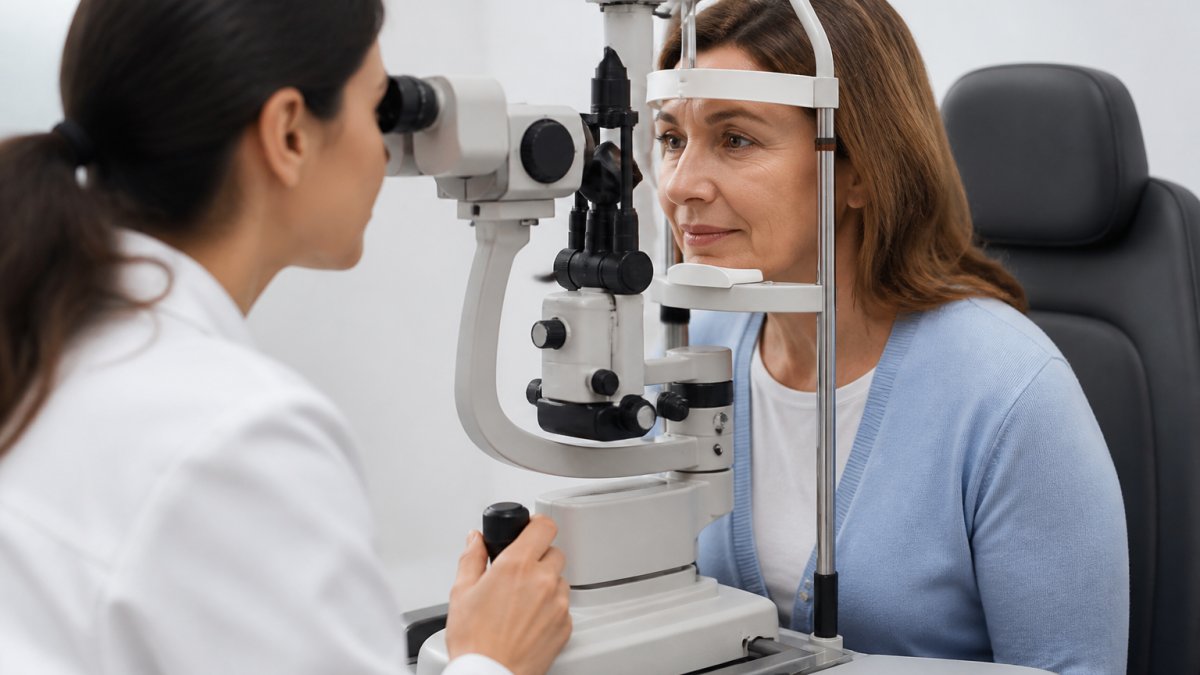
Thermal pulsation therapy represents the most common in-office procedure for meibomian gland dysfunction treatment. The technology applies controlled heat and pressure to the eyelid, liquefying blocked meibum and promoting gland clearance. A single session typically lasts 12-15 minutes per eye.
The procedure works by heating the meibomian glands to approximately 108-113°F while applying gentle pulsating pressure. This combination melts hardened lipid deposits and allows the glands to express their contents naturally. Patients may experience symptom relief, though the full therapeutic benefit typically develops over several weeks as the ocular surface stabilizes.
Cost for a single thermal pulsation treatment session varies based on the provider. Pricing also depends on whether the procedure is bundled with comprehensive dry eye evaluation or charged separately for diagnostic testing and the procedure itself.
Meibomian gland dysfunction treatment often involves multiple sessions. A typical treatment protocol may involve several sessions spaced weeks apart. This means considering cumulative costs rather than a single visit. Maintenance therapy sessions may be needed periodically to prevent symptom recurrence, adding to the long-term expense picture.
| Treatment Phase | Typical Duration | Frequency | Cost Consideration |
|---|---|---|---|
| Initial evaluation and diagnostic testing | 45-60 minutes | Once | Separate from procedure cost |
| Thermal pulsation session | 12-15 minutes per eye | 2-4 sessions over 8-12 weeks | Per-session pricing varies by provider |
| Follow-up evaluation | 20-30 minutes | After each treatment | Often included in package pricing |
| Maintenance therapy | 12-15 minutes | 1-2 times yearly | Ongoing annual expense |
Is Dry Eye Treatment Covered by Insurance
Insurance coverage for dry eye treatment remains one of the most confusing aspects of meibomian gland dysfunction treatment cost. Many patients may assume their insurance won't cover elective eye care, but it's worth checking their specific plan for potential reimbursement.
Coverage eligibility hinges on medical necessity documentation. If your eye care provider can demonstrate that you have a diagnosed ocular surface disease, not simply dry eyes from screen use, and that conservative treatments have failed, insurance companies often classify thermal pulsation therapy as medically necessary. This classification changes everything about your out-of-pocket expense.
Your insurance plan's specific language matters enormously. Some policies explicitly cover thermal pulsation therapy under their ocular disease treatment benefits. Others require prior authorization, meaning your provider must submit documentation proving medical necessity before the procedure. A few plans may classify it as experimental and deny coverage entirely.
The meibomian gland dysfunction treatment cost you actually pay depends heavily on your deductible, co-insurance percentage, and out-of-pocket maximum.
Medicare coverage varies by plan type. Original Medicare (Parts A and B) typically does not cover thermal pulsation therapy, though some Medicare Advantage plans do. Medicaid coverage differs by state, and many state programs have begun approving reimbursement for meibomian gland dysfunction treatment in recent years as clinical evidence has strengthened.
Dry Eye Therapy Financing Options and Payment Plans
When meibomian gland dysfunction treatment cost is a concern, financing options may exist. Some eye care practices offer in-house payment plans that allow you to spread treatment costs across multiple months, though terms vary significantly.
Third-party financing through medical credit cards has become increasingly common. These programs typically offer promotional periods, often 12-24 months, with zero interest if you pay the balance within the promotional window. If you don't pay in full by the deadline, interest accrues retroactively at rates that can exceed 20%, so read the terms carefully before committing.
Some practices participate in membership or wellness plans that bundle comprehensive eye care, including dry eye management, into an annual fee. These plans can potentially reduce per-visit costs and make maintenance therapy more affordable over time. Ask whether your provider offers such arrangements when discussing meibomian gland dysfunction treatment cost.
Health savings accounts (HSAs) and flexible spending accounts (FSAs) are underutilized resources for dry eye treatment. Both allow you to set aside pre-tax dollars specifically for medical expenses, including thermal pulsation therapy and related diagnostic testing. Using HSA or FSA funds reduces your actual out-of-pocket cost by your tax bracket percentage.
A practical approach involves requesting an itemized cost estimate before treatment begins. Ask your provider to break down diagnostic testing costs, procedure fees, follow-up visit charges, and anticipated maintenance therapy expenses. This transparency lets you plan realistically and identify which costs might be covered by insurance versus which are your responsibility.
Factors That Influence Meibomian Gland Dysfunction Treatment Pricing
Disease severity directly impacts meibomian gland dysfunction treatment cost. Mild cases with early-stage gland dropout may resolve with 2-3 thermal pulsation sessions plus at-home management. Severe cases with extensive gland loss and chronic blepharitis require more frequent in-office treatments and longer maintenance schedules, multiplying total costs substantially. (Source: comprehensive dry eye evaluation)
Geographic location can affect pricing. Regional variations in provider competition may also influence pricing.
Provider type can shape costs. Specialized dry eye clinics may offer more sophisticated diagnostic capabilities and treatment protocols. General optometry practices may refer complex cases to specialists.
The comprehensiveness of your diagnostic workup influences initial meibomian gland dysfunction treatment cost. A basic evaluation with standard dry eye testing costs less than a comprehensive assessment including meibography, tear osmolarity testing, and advanced imaging. However, thorough diagnostics often reveal important information that guides more effective treatment, potentially reducing your total long-term costs by preventing unnecessary procedures.
Insurance plan participation matters. Providers who participate in your insurance network typically charge negotiated rates that are lower than their cash prices. Out-of-network providers can charge whatever they wish, potentially making meibomian gland dysfunction treatment cost significantly higher if you must pay out-of-pocket.
In-Office Procedures vs. At-Home Management: Cost and Long-Term Considerations
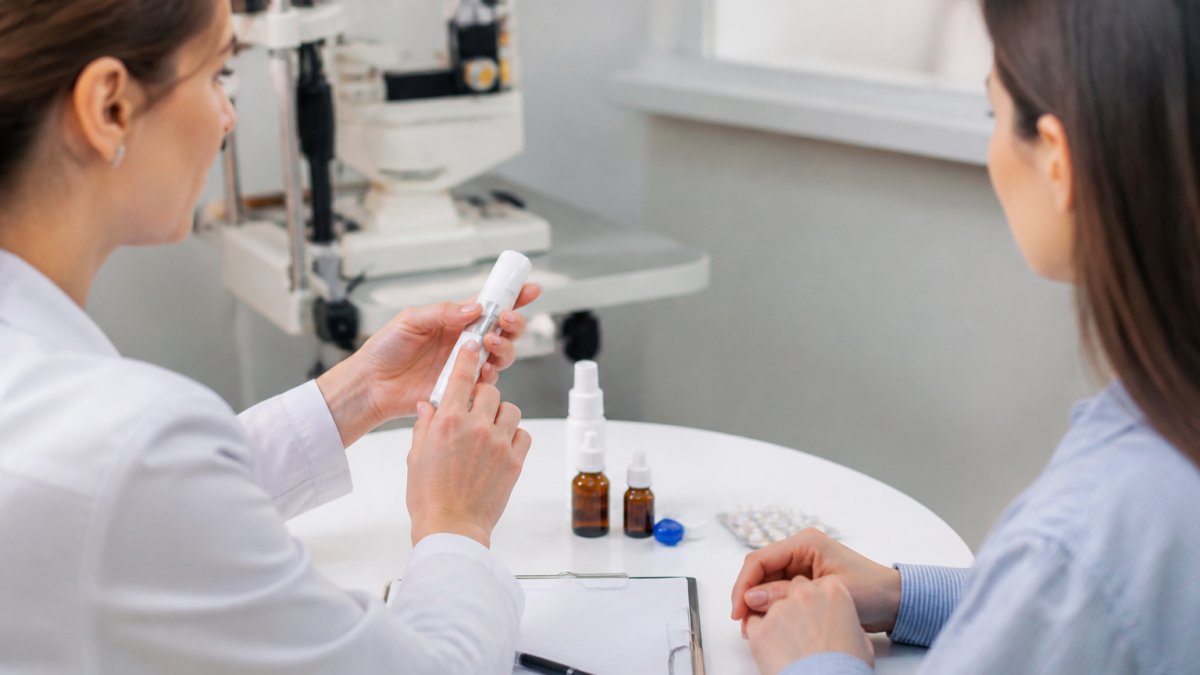
At-home dry eye management costs far less upfront but may not resolve moderate-to-severe meibomian gland dysfunction. Daily warm compresses, eyelid hygiene, and topical treatments represent the lowest-cost approach, requiring only inexpensive supplies and consistent patient effort. Many patients find that dedicated at-home care prevents symptom progression and reduces their need for in-office procedures.
However, at-home management alone may not be sufficient for patients with significant gland obstruction or advanced ocular surface disease. Delaying professional intervention can sometimes lead to irreversible gland damage.
What to Expect During Treatment and Planning Your Budget
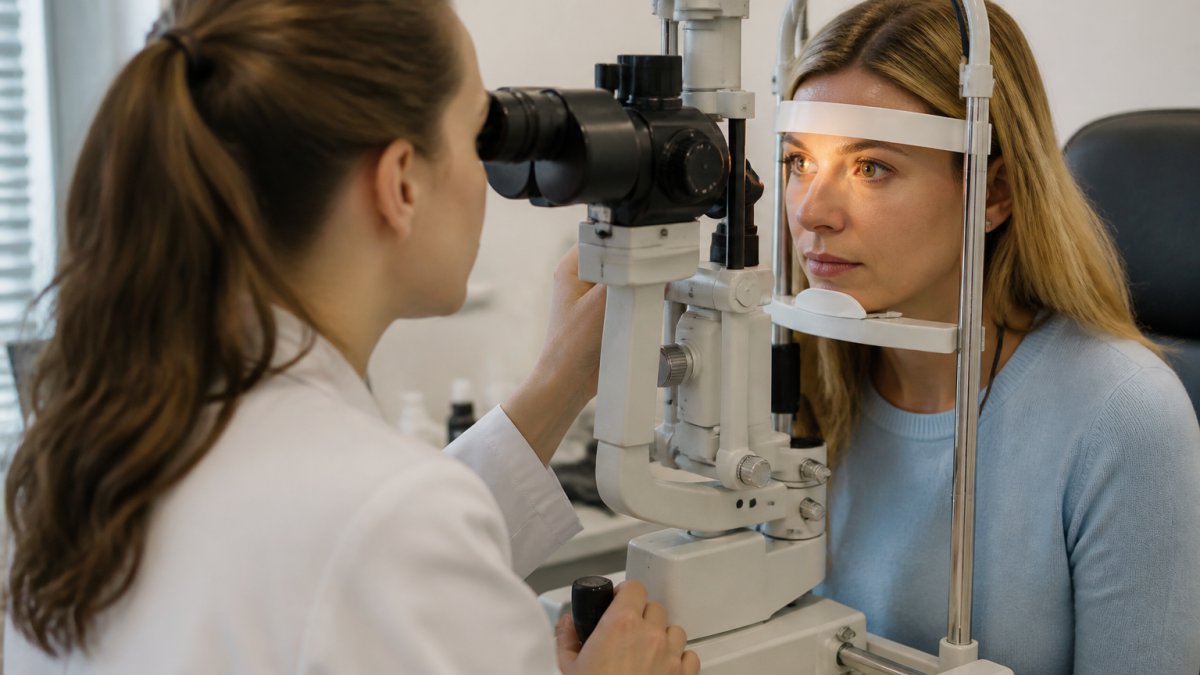
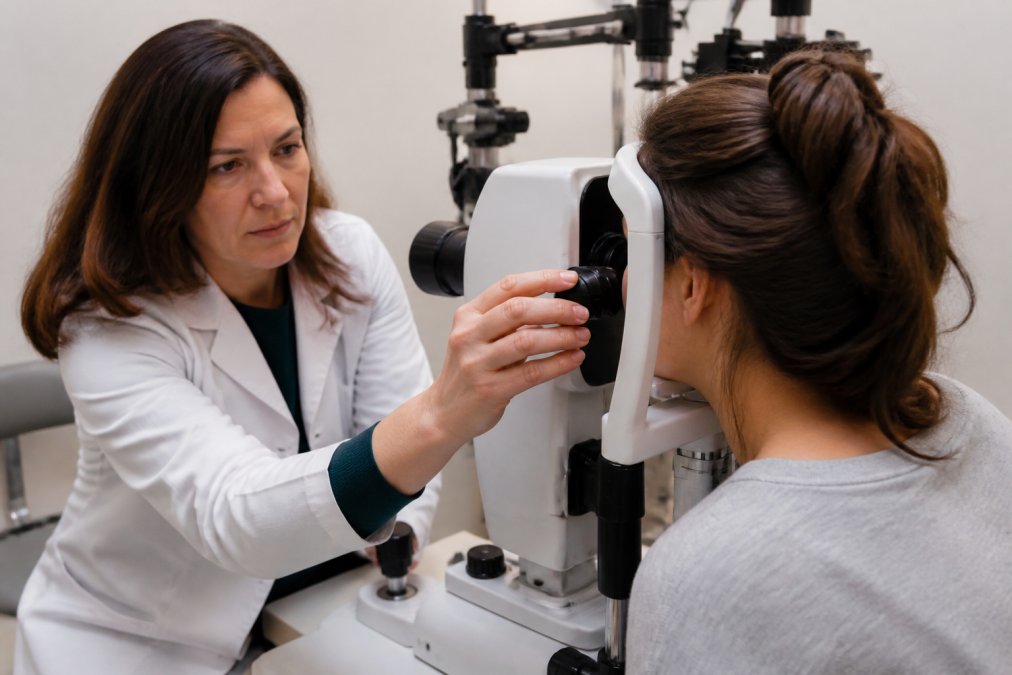
When you schedule a meibomian gland dysfunction treatment appointment, expect a comprehensive evaluation before any procedure begins. Your eye care provider will assess your tear film stability, examine your meibomian glands, and likely perform diagnostic testing to establish baseline measurements. This initial visit typically lasts 45-60 minutes and establishes whether thermal pulsation therapy is appropriate for your specific condition.
Conclusion
Meibomian gland dysfunction treatment cost varies dramatically based on disease severity, your insurance coverage, treatment approach, and geographic location. Understanding these variables helps you to make informed decisions about your eye health without financial surprises.
Frequently Asked Questions
Does insurance cover meibomian gland dysfunction treatment?
Insurance coverage for meibomian gland dysfunction treatment depends on whether the condition is documented as medically necessary and your specific plan. Many plans cover diagnostic testing and initial conservative treatments like warm compresses and eyelid hygiene. Advanced in-office procedures such as thermal pulsation therapy may be covered if deemed medically necessary by your provider, but some plans classify these as elective. Check your insurance documentation or contact your provider directly to understand your coverage before scheduling treatment.
What factors influence the total cost of meibomian gland dysfunction therapy?
Several factors affect pricing: the type of procedure (thermal pulsation versus manual expression), the number of sessions required for your specific condition, whether diagnostic testing is included, your insurance coverage and deductible status, and whether you choose in-office treatment or at-home management. Treatment frequency also matters, some patients require maintenance therapy every 6-12 months, while others may need more frequent sessions initially. Geographic location and the provider's equipment and expertise can also influence costs.
Is LipiFlow treatment worth the cost for dry eye?
LipiFlow thermal pulsation therapy can be cost-effective for chronic meibomian gland dysfunction when conservative treatments have not provided adequate symptom relief. The decision depends on your symptom severity, how much the condition affects your quality of life, and whether you're a good candidate based on clinical assessment. Patients may see improvements in tear film stability and symptom relief, which can potentially reduce the need for frequent eye drops and improve daily comfort. A consultation with a qualified eye care professional can help you determine if the investment aligns with your ocular health needs.
What should I expect to pay out-of-pocket for meibomian gland dysfunction treatment?
Out-of-pocket costs depend on your insurance coverage, deductible status, and the specific treatment plan. If treatment is deemed elective or not covered, you'll pay the full procedure cost. Some practices offer payment plans or financing options to make treatment more accessible. Contact your eye care provider for a detailed cost estimate based on your specific condition and insurance status before committing to treatment.