 ultimate-guide
How to Manage Ocular Diseases: A Complete Guide
Table of Contents
- Understanding Common Ocular Diseases
- Recognizing Symptoms and Early Warning Signs
- The Role of Comprehensive Eye Exams in Early Detection
- Treatment Options for Ocular Surface Disease and Other Conditions
- Best Practices for Eye Health and Preventative Care
- When to See an Ophthalmologist vs. Your Optometrist
- Managing Chronic Ocular Conditions Long-Term
- Frequently Asked Questions
Last Updated: August 8, 2026
Understanding Common Ocular Diseases
Ocular diseases affect the eye's structures and vision in diverse ways. Common conditions include glaucoma, cataracts, macular degeneration, diabetic retinopathy, and ocular surface disease. Each requires different management approaches, but all benefit from early detection and consistent care.
At Wilck Schwartz & Novak OD PC, we've worked with Brooklyn families for decades to identify and manage these conditions before they progress to vision loss. The critical insight most people miss is that ocular diseases often develop silently, you won't feel pain or notice symptoms until significant damage has occurred. This is why comprehensive eye exams aren't optional; they're your primary defense against preventable blindness.
The difference between someone who maintains vision and someone who loses it often comes down to one factor: whether they caught the disease early enough. A person diagnosed with glaucoma at stage two still has options. Diagnosed at stage four, those options narrow considerably. This clinical reality drives the importance of preventative care and regular monitoring.
Recognizing Symptoms and Early Warning Signs
Symptoms of ocular diseases vary widely, but some warning signs should never be ignored: blurred vision, sudden vision loss, eye pain, halos around lights, floaters, flashes of light, redness, and discharge all warrant immediate attention.
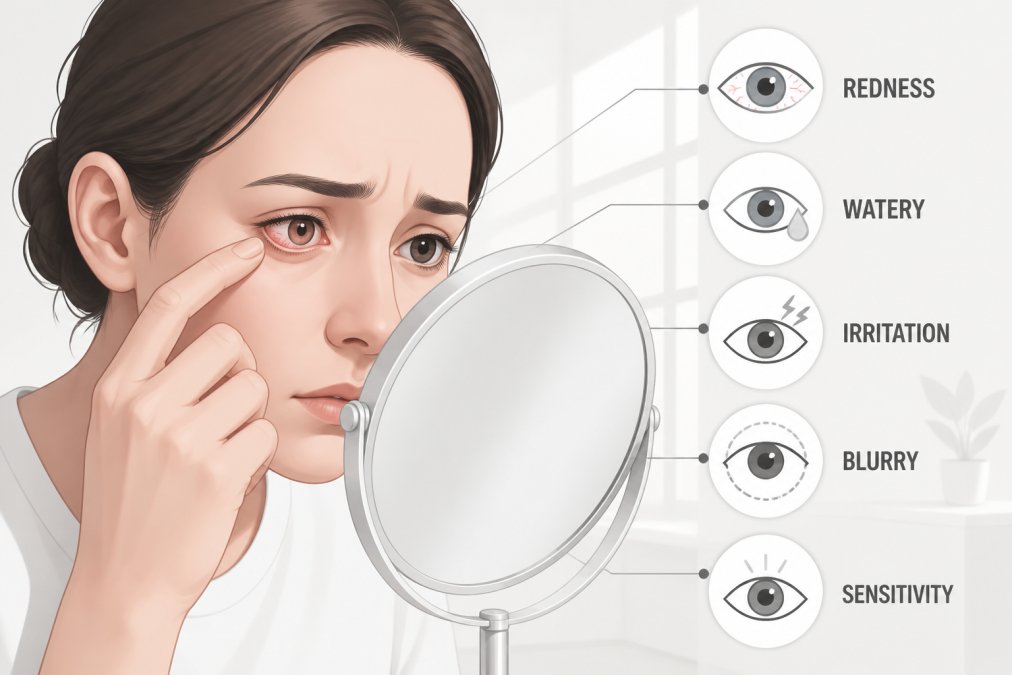
Many conditions develop without any symptoms at all. Glaucoma progresses silently until peripheral vision narrows. Macular degeneration starts in one eye while the other compensates. Diabetic retinopathy can advance significantly before the patient notices anything wrong. This is why relying on symptoms alone is dangerous, you could be losing vision without realizing it.
Some warning signs are subtle: reading requires more light than before, colors seem less vibrant, or night driving feels uncomfortable due to glare. These gradual changes often get attributed to aging, but they can signal underlying ocular conditions. A comprehensive eye exam catches these shifts before they become serious.
Screen time has introduced digital eye strain that many people confuse with disease. While digital eye strain causes temporary discomfort and dryness, it's fundamentally different from ocular disease. However, someone with chronic dry eye from screen exposure might actually have ocular surface disease, which needs targeted treatment beyond rest and artificial tears.
The Role of Comprehensive Eye Exams in Early Detection
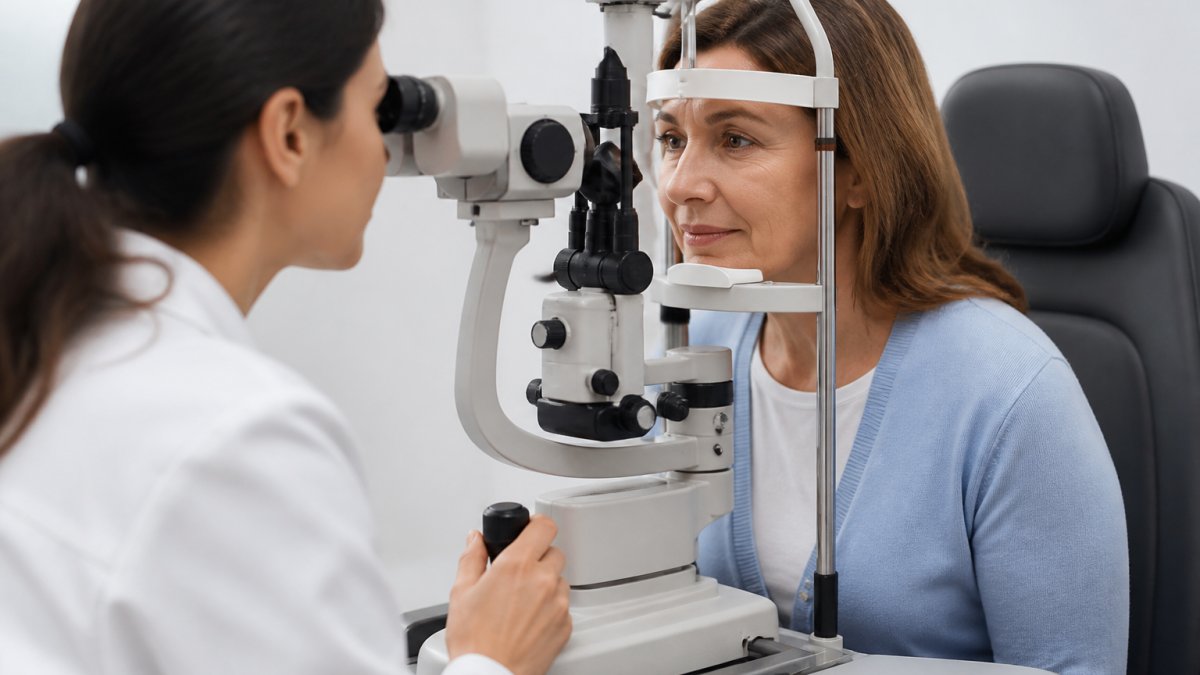
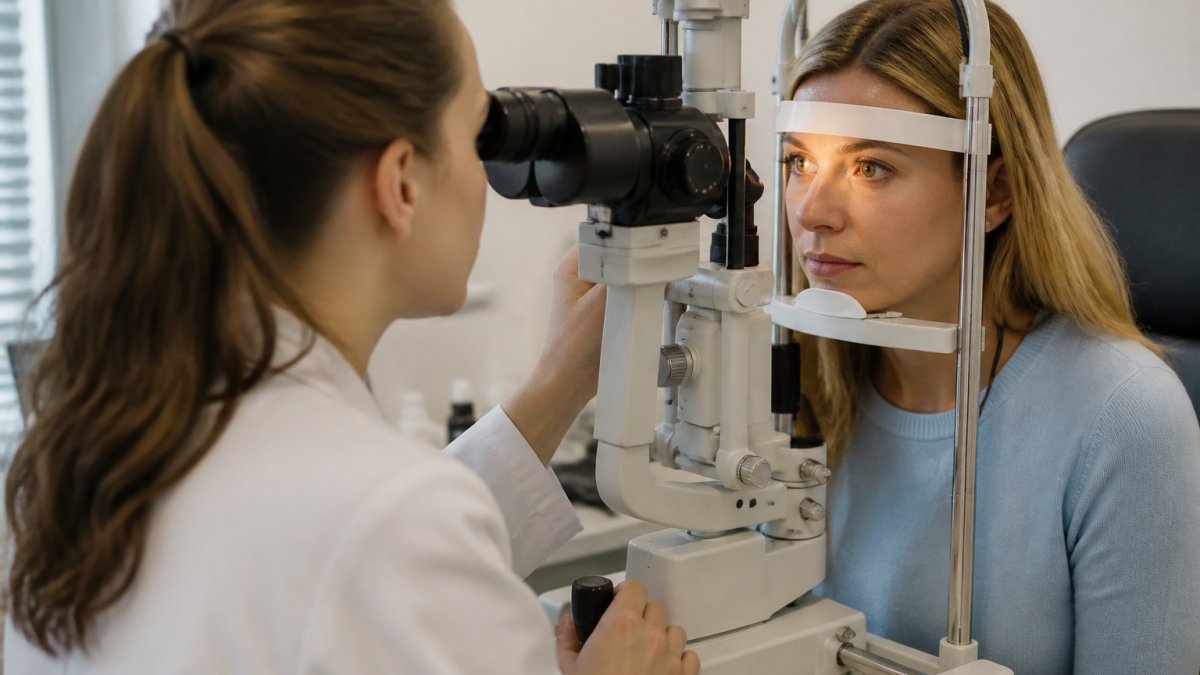
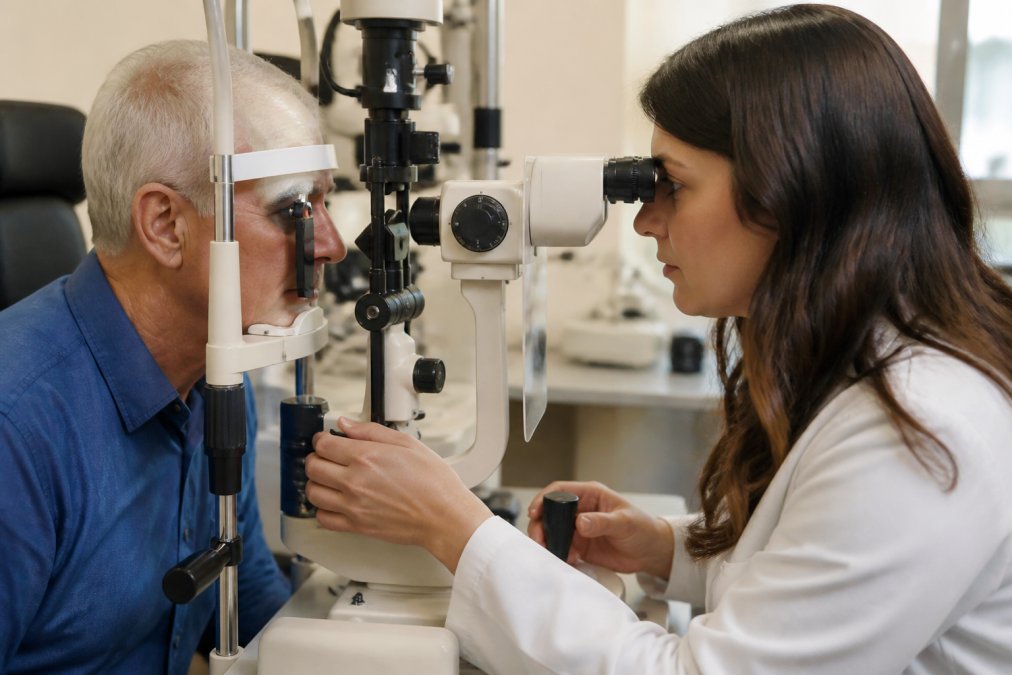
A comprehensive eye exam is far more than reading letters on a chart. It's a systematic evaluation of every eye structure, assessment of intraocular pressure, examination of the retina, and measurement of visual acuity. This multi-layered approach reveals problems that basic vision screening simply cannot detect.
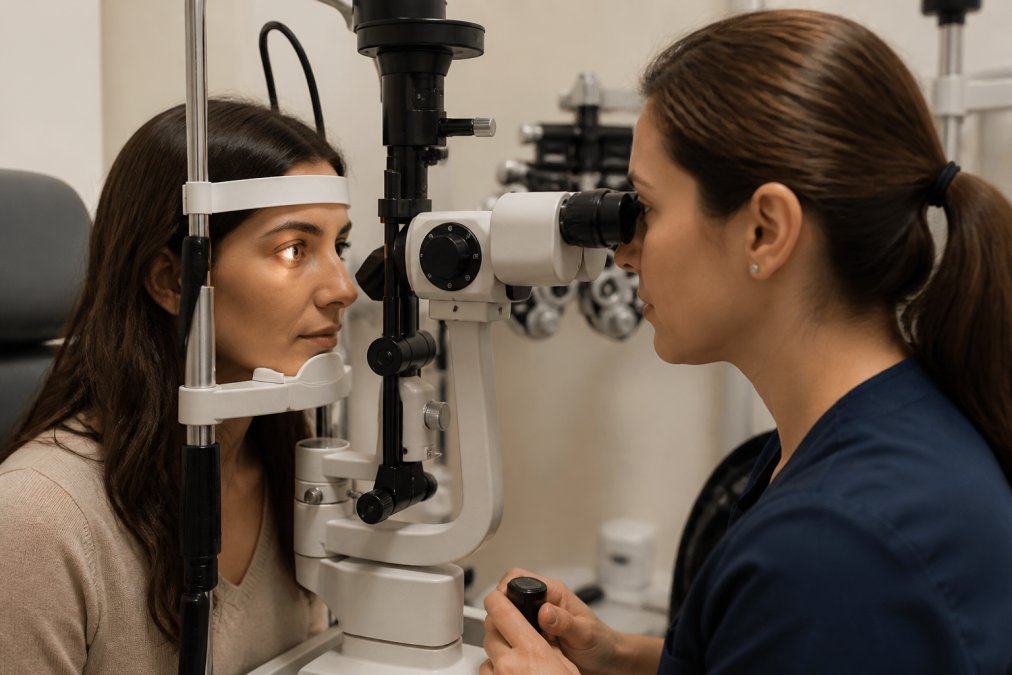
School eye screenings and workplace vision tests check whether you can see clearly at distance. They don't measure intraocular pressure, don't examine the optic nerve head for glaucoma, don't evaluate the retina for macular degeneration or diabetic changes, and don't assess how well your eyes work together. A child might pass a school screening with perfect 20/20 vision but still have an underlying condition affecting learning or development.
The comprehensive eye exam includes several diagnostic procedures: tonometry measures intraocular pressure to screen for glaucoma; dilated retinal examination allows assessment of retinal health; optical coherence tomography (OCT) imaging creates detailed cross-sectional images of the retina; visual field testing maps peripheral vision. Together, these tools catch early-stage disease when treatment is most effective.
Early detection changes everything. Someone diagnosed with glaucoma in the early stages can often control it with medication alone, preserving vision for decades. Detected late, the same person might require surgery and still experience progressive vision loss. Macular degeneration caught early can be slowed with specific interventions. Diabetic retinopathy identified before significant bleeding occurs responds well to laser treatment.
Treatment Options for Ocular Surface Disease and Other Conditions
Treatment approaches vary depending on the specific condition and its stage. For ocular surface disease, management typically begins with artificial tears and lifestyle modifications, reducing screen time, taking regular breaks, and using proper lighting. If symptoms persist, prescription medications like cyclosporine or lifitegrast reduce inflammation. Therapeutic contact lenses can protect the corneal surface. Severe cases might require punctal plugs to preserve tear film or specialized procedures like amniotic membrane grafting.
Glaucoma treatment focuses on lowering intraocular pressure to slow optic nerve damage. Prescription eye drops are usually the first line of defense, either decreasing fluid production or increasing fluid drainage. If drops don't achieve target pressure, oral medications or laser procedures may be necessary. Advanced cases require surgical intervention. The goal is to manage glaucoma effectively enough that vision remains stable throughout the patient's lifetime.
Cataract management depends on how much clouding affects daily life. Early cataracts often require only updated glasses prescription and better lighting. As cataracts progress and interfere with activities like driving or reading, surgical removal becomes appropriate. Cataract surgery is one of the most successful procedures in medicine.
Diabetic retinopathy treatment requires tight blood sugar control as the foundation. Good glycemic management slows progression significantly. If bleeding or fluid accumulation occurs, laser treatment or anti-VEGF injections can preserve vision. People with diabetes need dilated eye exams at least annually, and more frequently if retinopathy is detected.
Macular degeneration management depends on the type. Dry macular degeneration progresses slowly, and certain vitamin supplements may slow progression. Wet macular degeneration requires prompt treatment with anti-VEGF injections or laser therapy to prevent rapid vision loss.
Best Practices for Eye Health and Preventative Care
Preventative care is the most powerful tool for protecting your vision. A comprehensive eye exam every one to two years establishes a baseline and tracks changes over time. For people with risk factors, family history of glaucoma, diabetes, age over 60, more frequent exams are essential.
UV-blocking sunglasses protect against cumulative sun damage that contributes to cataracts and macular degeneration. Wearing them consistently, especially during peak sun hours and near reflective surfaces, reduces long-term risk.
Lifestyle modifications support ocular health across multiple conditions. Blood sugar control is essential for people with diabetes. Blood pressure management protects blood vessels throughout the eye. A diet rich in antioxidants, omega-3 fatty acids, and lutein supports retinal function. Regular exercise improves circulation and overall vascular health.
Screen time management reduces digital eye strain and associated dryness. The 20-20-20 rule, every 20 minutes, look at something 20 feet away for 20 seconds, gives your focusing muscles a break. Proper monitor positioning, adequate room lighting, and comfortable viewing distance all reduce strain.
Any sudden change in vision, new floaters, flashes of light, eye pain, or persistent redness warrants immediate professional evaluation. Don't wait for a scheduled appointment; contact your eye care provider the same day.
When to See an Ophthalmologist vs. Your Optometrist
Optometrists perform comprehensive eye exams, prescribe glasses and contacts, diagnose and manage many ocular diseases, and perform certain laser procedures. They're excellent for routine care, preventative exams, and management of stable conditions.
Ophthalmologists are medical doctors who specialize in eye care. They can perform all optometric services plus surgical procedures and management of complex cases. You should see an ophthalmologist when you need surgery, when your condition requires specialist-level expertise, or when your optometrist refers you for evaluation.
At Wilck Schwartz & Novak OD PC, we serve as your primary eye care provider for most conditions. Our advanced optometric equipment allows us to diagnose and manage ocular diseases with precision. When a case requires surgical intervention or specialist expertise beyond optometric scope, we coordinate your care with trusted ophthalmologists.
For emergency situations, sudden vision loss, severe eye pain, chemical injury, go to an emergency room or urgent care facility. For less urgent but concerning symptoms, call your optometrist for same-day evaluation.
Managing Chronic Ocular Conditions Long-Term
Living with a chronic ocular condition requires consistent follow-up care, medication adherence, and lifestyle adjustments. The goal shifts from "curing" the disease to "managing it effectively" so vision remains stable.
For glaucoma, consistent use of prescribed eye drops is non-negotiable. Missing doses allows intraocular pressure to rise, potentially damaging the optic nerve. Setting medication reminders, using pill organizers, or choosing once-daily formulations improves adherence.
Diabetic patients managing diabetic retinopathy must prioritize blood sugar control. Eye exams become part of diabetes management. The better your glucose control, the slower your retinopathy progresses.
Macular degeneration management involves vitamin supplementation, lifestyle modifications, and regular monitoring. Specific formulations of vitamins (AREDS or AREDS2 supplements) may slow progression of dry macular degeneration. Regular monitoring with OCT imaging tracks whether your condition is stable.
Ocular surface disease management requires consistent attention. Artificial tears, prescription medications, punctal plugs, and lifestyle modifications work together. What works varies from person to person, and your treatment plan might need adjustment. Patience and consistency are essential.
The psychological impact of chronic vision loss deserves attention. Support from family, friends, and sometimes counselors helps. Many communities offer resources for people with vision loss. Your eye care provider can connect you with these resources and discuss adaptive strategies for maintaining independence and quality of life.
Managing ocular diseases effectively requires catching them early, understanding your specific condition, and committing to consistent care. The difference between preserving vision and losing it often comes down to whether you took preventative steps before symptoms appeared. Schedule a comprehensive eye exam with Wilck Schwartz & Novak OD PC to assess your ocular health, receive early detection screening, and develop a personalized management plan that protects your vision for decades to come.
| Ocular Disease | Primary Risk Factors | Early Warning Signs | Treatment Approach |
|---|---|---|---|
| Glaucoma | Family history, elevated pressure, age | Usually none (silent) | Pressure-lowering drops, laser, surgery |
| Cataracts | Age, UV exposure, diabetes | Blurred vision, glare sensitivity | Surgical removal when vision affected |
| Macular Degeneration | Age, family history, smoking | Blurred central vision, distortion | Vitamins, anti-VEGF injections, laser |
| Diabetic Retinopathy | Diabetes, poor glucose control | Usually none initially | Blood sugar control, laser, injections |
| Ocular Surface Disease | Screen time, dry climate, age | Dryness, irritation, redness | Tears, medications, lifestyle changes |
Frequently Asked Questions
What are the early warning signs of ocular disease?
Early warning signs vary by condition but commonly include blurred or cloudy vision, eye pain or discomfort, redness, excessive tearing or dryness, floaters or flashes of light, and difficulty seeing at night. Some people experience halos around lights or notice their vision changing suddenly. Because many ocular diseases develop without noticeable symptoms in early stages, regular comprehensive eye exams are essential for catching problems before they affect your vision significantly.
How often should you have a comprehensive eye exam?
Adults with no known eye conditions should have a comprehensive eye exam every one to two years. Those with risk factors for ocular disease, such as diabetes or a family history of glaucoma, may need exams annually or more frequently. Children should have their first exam by age 3, then regularly before school age and annually during school years. Seniors over 65 should have annual exams. Your eye care provider can recommend a schedule based on your individual risk factors and health status.
What's the difference between an optometrist and an ophthalmologist?
Optometrists complete a four-year Doctor of Optometry program and can perform eye exams, prescribe glasses and contacts, diagnose certain ocular diseases, and manage many eye conditions with medications and therapeutic interventions. Ophthalmologists are medical doctors (MDs or DOs) with additional specialized training in eye care who can perform surgery and manage complex ocular diseases. For routine exams, contact lens fittings, and management of common conditions like dry eye or early-stage glaucoma, an optometrist provides comprehensive care. Your optometrist can refer you to an ophthalmologist when surgical intervention or specialized treatment is needed.
Can I reduce eye strain from screen time at home?
Yes. Follow the 20-20-20 rule: every 20 minutes, look at something 20 feet away for 20 seconds to relax your focusing muscles. Position your screen at arm's length and slightly below eye level. Increase humidity in your workspace and use artificial tears designed for screen users. Reduce blue light exposure by adjusting screen settings or wearing blue-light-filtering glasses. Take regular breaks, blink consciously (screens reduce blinking), and ensure adequate lighting to minimize glare. If symptoms persist despite these changes, consult your eye care provider to rule out underlying ocular surface disease.
How can I manage dry eye syndrome at home?
Start with artificial tears designed for dry eye, applied several times daily as needed. Increase water intake and use a humidifier to add moisture to your environment. Apply warm compresses to your eyelids for 5-10 minutes daily to improve oil gland function. Reduce screen time and follow the 20-20-20 rule. Wear UV-blocking sunglasses outdoors to protect your ocular surface. Avoid smoke, wind, and dry air when possible. If symptoms worsen or don't improve within two weeks, your eye care provider can recommend prescription medications or other therapeutic options tailored to your condition.
What lifestyle changes help prevent vision loss?
Maintain healthy blood sugar levels if you have diabetes, as diabetic retinopathy is a leading cause of vision loss. Protect your eyes from UV damage with UV-blocking sunglasses and hats. Eat a diet rich in antioxidants and omega-3 fatty acids to support retinal health. Exercise regularly to improve circulation and reduce eye pressure. Don't smoke, as smoking increases risk for cataracts and macular degeneration. Manage high blood pressure and cholesterol. Get adequate sleep and manage screen time. These lifestyle modifications, combined with regular comprehensive eye exams and timely treatment, significantly reduce your risk of developing serious ocular conditions.
This article was written using GrandRanker