 ultimate-guide
Benefits of Preventative Eye Care for Adults
Table of Contents
- Why Preventative Eye Care Matters for Adults
- How Often Should Adults Get an Eye Exam
- What Does a Comprehensive Eye Exam Include
- Early Detection of Eye Diseases and Vision Problems
- Preventive Eye Care Tips for Daily Vision Health
- Understanding Eye Exam Cost and Insurance Coverage
- When to Schedule an Eye Exam Sooner Than Planned
- Frequently Asked Questions
Last Updated: October 10, 2026
Why Preventative Eye Care Matters for Adults
Preventative eye care is one of the most overlooked aspects of personal health. Many adults skip routine eye exams until vision problems become impossible to ignore, but by then, significant damage may have already occurred. Early detection of eye diseases and vision problems can prevent permanent vision loss and catch serious health conditions before they progress.
Adults who commit to regular comprehensive eye exams catch conditions like glaucoma, diabetic retinopathy, and age-related macular degeneration at stages where treatment is most effective. The difference between catching a disease early and discovering it after damage has accumulated is often the difference between maintaining clear vision and experiencing significant vision loss.
How Often Should Adults Get an Eye Exam
Exam frequency is not one-size-fits-all. Different organizations recommend different intervals based on age, health status, and risk factors, yet many adults don't know which category applies to them.
Adults with no eye disease and no risk factors: A comprehensive eye exam every one to two years is generally sufficient. If you have no family history of eye disease, no chronic health conditions, and your last exam was normal, annual exams may not be medically necessary, though some practitioners recommend them for baseline tracking.
Adults aged 60 and older: Annual exams become standard because age-related conditions, cataracts, glaucoma, age-related macular degeneration, and presbyopia, accelerate after 60. Even without symptoms, annual screening catches these conditions before they affect daily function.
Adults with diabetes: If you have diabetes, a comprehensive dilated eye exam is recommended at least once per year, and more frequently if any signs of diabetic retinopathy are detected. If you have Type 1 diabetes, exams should begin within five years of diagnosis; for Type 2 diabetes, screening should occur at diagnosis and annually thereafter. Pregnant women with diabetes may need more frequent exams because pregnancy can accelerate diabetic eye disease.
Adults with high blood pressure or cardiovascular disease: Annual or biennial exams help monitor for hypertensive retinopathy and other vascular changes visible during eye evaluation. These exams often catch signs of uncontrolled blood pressure before other symptoms appear.
Adults with a family history of glaucoma: Exams every one to two years are recommended, with more frequent screening if you have elevated intraocular pressure or other glaucoma risk factors. Early detection is critical because glaucoma causes irreversible optic nerve damage with no early warning signs.
Adults with other eye conditions (cataracts, macular degeneration, dry eye disease): Follow your eye doctor's specific recommendation, which may range from every few months to annually depending on disease progression and treatment needs.
Adults with no symptoms but multiple risk factors: If you have diabetes, hypertension, high cholesterol, a family history of eye disease, or are a current or former smoker, discuss a personalized exam schedule with your eye care provider. You may benefit from exams more frequent than the standard one-to-two-year interval.
The timing matters because many serious eye diseases progress silently without symptoms. Glaucoma, for example, often causes no pain or vision changes until significant damage has occurred. Regular screening catches these conditions before they compromise your vision. Your eye doctor can assess your personal risk factors and recommend the right schedule for your situation.
What Does a Comprehensive Eye Exam Include
A comprehensive eye exam goes far beyond reading letters on a chart. It is a systematic evaluation of your vision, eye health, and systemic health markers visible through the eyes. Understanding what happens during the exam helps you prepare and recognize why each step matters.
Visual acuity and refraction testing: Your eye doctor begins by measuring how clearly you see at distance and near using a phoropter, the device with multiple lenses you look through while reading letters on a chart. This determines your prescription for glasses or contacts.
Intraocular pressure measurement: A tonometer measures the fluid pressure inside your eye, typically using a quick puff of air or a gentle probe that touches the cornea after numbing drops.
Visual field testing: Automated perimetry maps your peripheral (side) vision by having you focus on a central point while lights flash in your peripheral field. You press a button each time you see a light. This test detects early glaucoma damage and other conditions affecting peripheral vision.
Dilated eye exam: Your doctor instills dilating drops that widen your pupils, allowing direct visualization of the retina, optic nerve, and blood vessels at the back of your eye.
Optical coherence tomography (OCT) imaging: This non-invasive scan uses light waves to create detailed cross-sectional images of the retina, showing its thickness and structure layer by layer. OCT is particularly valuable for detecting early age-related macular degeneration, diabetic macular edema, and other retinal diseases before vision is affected.
Fundus photography: Digital images of your optic nerve and retina are captured and stored in your medical record. These photos serve as a baseline for comparison at future exams, allowing your doctor to detect subtle changes over time.
Anterior segment evaluation: Your doctor examines the front of your eye, cornea, lens, and iris, using a slit lamp, a microscope with a thin beam of light. This reveals cataracts (clouding of the lens), corneal scars, dry eye disease, and inflammation.
Glaucoma screening tests (if indicated): If you have risk factors or elevated pressure, your doctor may perform gonioscopy (examining the drainage angle of your eye using a special lens) or optical nerve imaging to assess your glaucoma risk more precisely.
Blood pressure and health history review: Your eye doctor will measure your blood pressure and ask about your medical history, medications, family history of eye disease, and lifestyle factors. This context helps interpret findings and identify systemic conditions, diabetes, hypertension, high cholesterol, autoimmune disease, that affect eye health.
What the results mean: At the end of the exam, your doctor reviews findings with you. Normal results mean your eyes are healthy and your prescription (if any) is current.
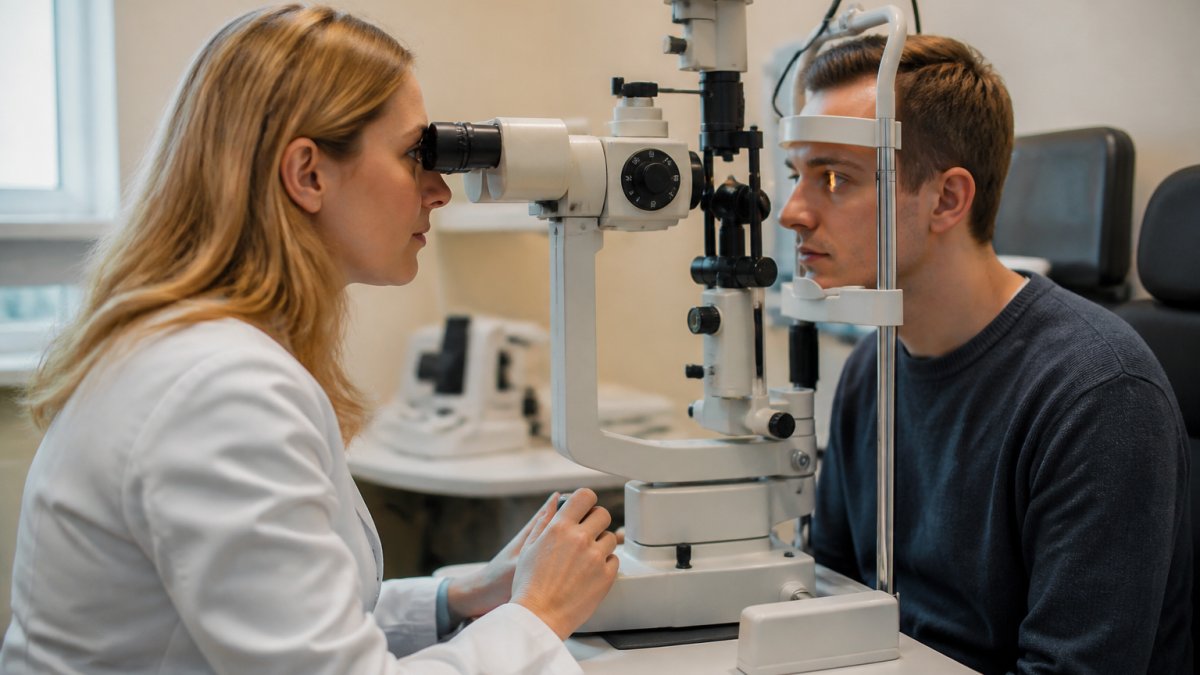
A comprehensive exam can vary in length depending on which tests are needed.
Early Detection of Eye Diseases and Vision Problems
Early detection transforms how eye diseases are managed. Conditions like glaucoma, cataracts, diabetic retinopathy, and age-related macular degeneration all progress more slowly when caught early. The difference between early-stage and advanced disease often determines whether you maintain functional vision or experience significant vision loss.
Diabetic eye disease illustrates this clearly. Many people don't realize their diabetes affects their eyes until vision problems appear. Regular preventative eye care catches diabetic retinopathy in early stages when treatment can prevent progression. Similarly, glaucoma screening during routine exams identifies elevated eye pressure before optic nerve damage occurs. Once nerve damage happens, it's permanent, but early intervention prevents it from happening in the first place.
Your family history, age, and existing health conditions all influence your disease risk. Discussing these factors with your eye doctor helps determine which conditions to monitor most closely and how frequently you need exams.
Preventive Eye Care Tips for Daily Vision Health
Protecting your vision extends beyond the eye exam room. Maintaining clear vision requires attention to daily habits and lifestyle factors. A balanced diet rich in vitamins A, C, and E, plus zinc and omega-3 fatty acids, supports retinal health and slows age-related changes. Physical activity improves circulation to the eyes and helps maintain healthy blood pressure and cholesterol levels.
Screen time creates modern challenges for eye health. The average adult spends 7-10 hours daily looking at digital devices, which strains the eyes and causes dry eye syndrome. Follow the 20-20-20 rule: every 20 minutes, look at something 20 feet away for 20 seconds. This simple practice reduces eye strain and prevents the fatigue that makes vision feel worse than it actually is.
Protect your eyes from UV damage by wearing sunglasses outdoors and using screens with blue light filtering when possible. If you work in environments with dust, chemicals, or flying debris, proper eye protection isn't optional. Smoking accelerates age-related eye disease, so quitting protects your vision alongside your overall health.
Understanding Eye Exam Cost and Insurance Coverage
Eye exam costs vary depending on the complexity of your exam and the equipment used. Many insurance plans cover routine preventative eye exams as part of their vision benefits, though coverage details depend on your specific plan. Some plans cover exams annually, others every two years. Understanding your coverage before scheduling prevents billing surprises.
Even without insurance, preventative eye care is an investment worth making. The cost of managing advanced eye disease, including treatment, lost productivity, and potential vision loss, far exceeds the cost of routine exams. Many optometry practices offer flexible payment options to make care accessible.
When to Schedule an Eye Exam Sooner Than Planned
Certain situations warrant an eye exam outside your regular schedule. Sudden vision changes, eye pain, flashes of light, new floaters, or a sudden increase in floaters can signal serious conditions requiring urgent evaluation. Injury to the eye, regardless of severity, needs professional assessment. If you experience persistent dry eyes, redness, or discharge that doesn't improve with over-the-counter drops, schedule an appointment promptly.
Adults with diabetes should have eye exams at least annually, and more frequently if early signs of diabetic retinopathy appear. Those with high blood pressure or other cardiovascular conditions benefit from regular monitoring since these conditions affect eye health. If you've been diagnosed with any eye condition, follow your doctor's recommended follow-up schedule closely.
Preventative eye care is how adults maintain clear vision and catch serious health problems before they cause irreversible damage. At Wilck Schwartz & Novak OD PC, we use advanced optometric equipment and modern technologies to provide comprehensive eye exams that assess your complete eye health and detect disease early. Our commitment to early detection and precise treatment ensures your vision stays strong for life. Schedule your comprehensive eye exam today and take control of your eye health.
American Academy of Ophthalmology guidelines on adult eye exams
National Eye Institute information on preventative eye care and disease screening
American Optometric Association recommendations for routine eye exams and vision health
Frequently Asked Questions
Does an eye exam count as preventive care?
Yes. A comprehensive eye exam is preventive care that detects eye diseases and vision problems before symptoms appear. Regular exams catch conditions like glaucoma, diabetic retinopathy, and age-related macular degeneration early, when treatment is most effective. This differs from vision screening, which only checks whether you need glasses or contacts. Preventative eye care protects your long-term vision health.
How often should adults get a comprehensive eye exam?
Adults with no eye disease or risk factors should have a comprehensive eye exam every 1-2 years. Those over 60, with diabetes, high blood pressure, or a family history of eye disease should have exams annually or more frequently. Adults with existing eye conditions may need exams every few months. Your eye doctor will recommend the schedule that matches your individual risk factors and health status.
What can a comprehensive eye exam detect besides vision problems?
A comprehensive eye exam can detect glaucoma, cataracts, diabetic retinopathy, age-related macular degeneration, high blood pressure, high cholesterol, diabetes, and even some cancers. The eye's blood vessels and tissues reveal systemic health conditions before they show symptoms elsewhere. Early detection through preventive eye care allows treatment to begin before vision loss occurs, protecting both your eyes and overall health.
What habits help adults maintain good eye health between exams?
Eat foods rich in vitamins A, C, E, zinc, and omega-3 fatty acids to support retinal health. Take regular breaks from screens to reduce digital eye strain. Wear sunglasses with UV protection to prevent age-related changes. Maintain a healthy weight, exercise regularly, and manage conditions like diabetes and high blood pressure. Don't smoke, as it accelerates age-related eye disease. These preventive eye care habits complement regular exams for optimal vision protection.