 ultimate-guide
Comprehensive Eye Exam Cost Breakdown: 2026 Guide
Table of Contents
- What Is Included in a Comprehensive Eye Exam
- How Long Does a Comprehensive Eye Exam Take
- Comprehensive Eye Exam Cost Without Insurance
- Comprehensive Eye Exam Cost With Insurance
- Vision Insurance vs Medical Insurance for Eye Exams
- Key Factors That Influence Comprehensive Eye Exam Pricing
- How to Save Money on Your Comprehensive Eye Exam
- Routine vs Medical Eye Exams: Cost and Coverage Differences
- Frequently Asked Questions
Last Updated: August 13, 2026
What Is Included in a Comprehensive Eye Exam
A comprehensive eye exam is a thorough evaluation of your eye health and vision that goes far beyond determining your prescription for glasses or contacts. It assesses how well you see and the overall health of your eyes and their relationship to your systemic health.
During a comprehensive eye exam, an optometrist or ophthalmologist performs multiple diagnostic tests including visual acuity testing, refraction to determine your precise prescription, and assessment of how your eyes work together. The provider examines both the front structures (cornea, lens, iris) and the back (retina, optic nerve) using specialized equipment. Many exams include retinal imaging for disease detection, tonometry to screen for glaucoma, dilated eye exams to view the retina and optic nerve more clearly, and visual field testing to check peripheral vision.
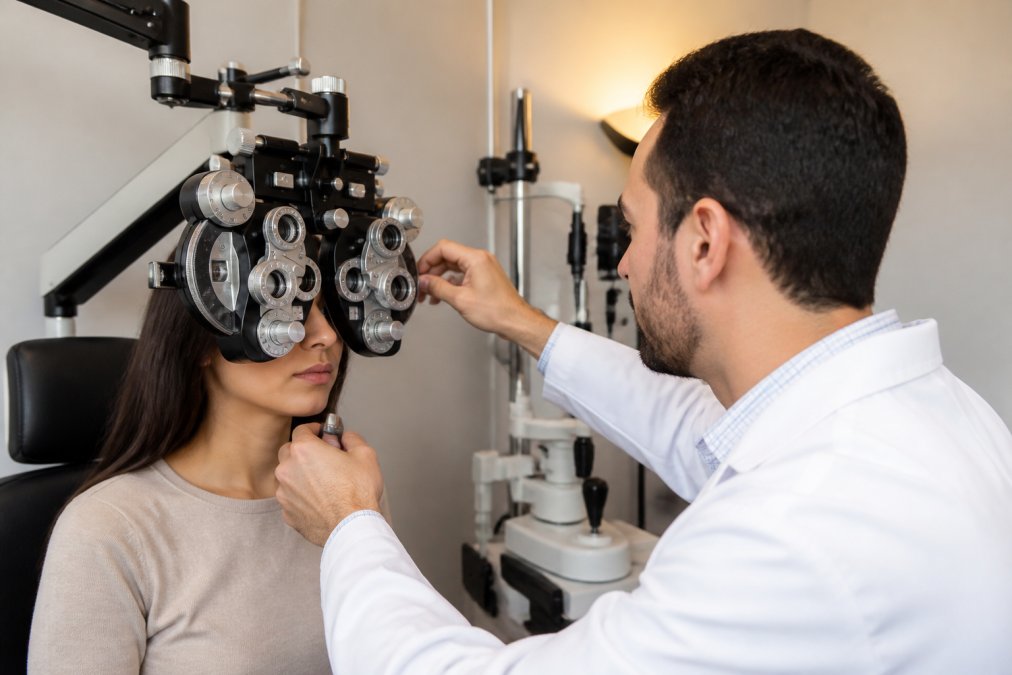
A comprehensive eye exam differs fundamentally from a basic vision screening. Screenings check only whether you can see clearly at distance. A comprehensive exam identifies early signs of eye disease, cataracts, macular degeneration, diabetic retinopathy, and glaucoma before symptoms appear. It can also detect systemic conditions like diabetes, high blood pressure, and high cholesterol through changes visible in the blood vessels and tissues of the eye.
At Wilck Schwartz & Novak OD PC, comprehensive exams use advanced optometric equipment and modern technologies to assess your overall eye health with precision.
How Long Does a Comprehensive Eye Exam Take
Most comprehensive eye exams take between 60 and 90 minutes from check-in to departure, though time varies based on your individual needs and eye health complexity.
The initial intake and case history typically consume 10 to 15 minutes, gathering information about your vision complaints, medical history, medications, family history of eye disease, and occupational factors. The clinical examination itself usually takes 30 to 45 minutes, including visual acuity testing, refraction, eye pressure measurement, and detailed examination of eye structures. If your exam includes dilated evaluation of the retina and optic nerve, add another 15 to 20 minutes for the drops to take effect.
Specialized testing adds time depending on what's indicated. Retinal imaging takes a few minutes but produces valuable baseline documentation. Visual field testing for glaucoma screening can add 10 to 15 minutes. OCT imaging adds 5 to 10 minutes. The final 10 to 15 minutes typically involve discussion of findings and review of treatment options if needed.
Comprehensive Eye Exam Cost Without Insurance
The cost of a comprehensive eye exam without insurance varies based on geographic location, provider experience level, and technology included.
Many independent optometry practices charge between $100 and $200 for a comprehensive eye exam. Retail chains often price exams in the $80 to $150 range. Ophthalmology practices may charge $150 to $300 or more. The base comprehensive eye exam fee typically covers standard refraction, eye pressure measurement, and basic eye structure evaluation. Additional testing such as retinal imaging ($25-$50), OCT scans ($50-$100), or visual field testing ($30-$75) carries separate charges.
When you add a new glasses prescription, you'll pay separately for frames and lenses. Contact lens fittings involve additional charges of $50 to $150 depending on lens complexity. Location matters substantially, urban practices with higher overhead tend to charge more than rural counterparts. Practices using modern diagnostic equipment often charge higher fees than those with older technology.
Without insurance, the total cost for a comprehensive eye exam plus necessary testing often ranges from $150 to $300 or more. Many individuals without vision insurance seek out community health centers, optometry schools, or promotional pricing from retail chains to reduce out-of-pocket costs.
Comprehensive Eye Exam Cost With Insurance
Vision insurance typically covers a portion of the comprehensive eye exam cost, though the amount varies based on your specific plan.
Most vision insurance plans cover a comprehensive eye exam once per year or once every two years. The typical covered amount ranges from $0 copay to $50, with many plans covering the exam at 100% after you meet any deductible. Some plans require you to pay a percentage of the cost (coinsurance) rather than a flat copay.
Your actual out-of-pocket cost depends on whether you see an in-network or out-of-network provider. In-network exams usually cost only the copay amount. Out-of-network exams may require you to pay the full fee and then seek reimbursement, which is often lower than what the provider charged.
Additional testing coverage varies significantly by plan. Some plans cover retinal imaging, OCT imaging, or visual field testing at 100%. Others exclude these tests from coverage entirely or cover them only when medically necessary. Medically necessary testing is often covered under your medical insurance (with a medical copay) even if your vision plan doesn't cover it.
Vision insurance also typically includes an annual allowance for eyewear, usually $100 to $200 toward frames and lenses or contacts, separate from exam coverage.
Vision Insurance vs Medical Insurance for Eye Exams
Understanding the difference between vision insurance and medical insurance is critical for managing eye exam costs effectively.
Vision insurance is a supplemental plan specifically designed to cover preventative eye care and corrective eyewear. It typically covers routine comprehensive eye exams (usually once per year), eyeglasses, and contact lenses. Vision plans have their own copays, deductibles, and annual allowances separate from your medical insurance. They're often purchased as add-ons to medical plans or through employers as separate voluntary benefits.
Medical insurance covers eye-related conditions and diseases. If you develop glaucoma, diabetic retinopathy, macular degeneration, dry eye syndrome, eye infections, or sustain an eye injury, medical insurance covers the diagnostic testing, treatment, and management. Medical insurance also covers surgery for cataracts or other ocular conditions.
The practical difference: if you go for a routine comprehensive eye exam to check your overall eye health and get a new glasses prescription, vision insurance covers it. If that exam reveals high eye pressure and the doctor orders visual field testing to evaluate for glaucoma, that testing is medically necessary and covered under your medical insurance with your medical copay.
Many people have vision insurance but no supplemental vision plan. In those cases, you pay out-of-pocket for routine exams unless your medical plan includes vision coverage. At Wilck Schwartz & Novak OD PC, the team helps patients navigate both vision and medical insurance coverage to ensure appropriate coverage for the care you need.
Key Factors That Influence Comprehensive Eye Exam Pricing
Several factors determine what you'll pay for a comprehensive eye exam beyond the base fee.
Provider type and credentials significantly affect pricing. An optometrist typically charges less than an ophthalmologist. Providers with additional certifications or subspecialties often charge higher fees. Technology and equipment available at the practice influences cost, practices with advanced diagnostic equipment typically charge higher fees to offset those costs. Geographic location creates substantial price variation, with urban areas charging more than rural areas. Insurance participation affects what you pay, in-network providers have negotiated rates while out-of-network providers charge full fees. Complexity of your eye health determines which tests are included and how long the exam takes. Add-on testing such as retinal imaging, OCT scans, or visual field testing each carry additional charges. Practice overhead varies, solo practices with lower overhead charge less than large chains or hospital-based practices.
How to Save Money on Your Comprehensive Eye Exam
Several practical strategies can reduce your out-of-pocket costs while maintaining quality care.
Use your vision insurance benefits strategically. Schedule your exam when your annual benefits reset. Most plans cover exams once per year or once every two years. If you have an annual eyewear allowance, plan your glasses or contact lens purchase during the same visit to maximize benefit usage.

Choose in-network providers. Always verify that the provider participates in your plan's network. In-network providers have negotiated rates and you'll pay only your copay or coinsurance. Ask about bundled pricing. Some practices offer reduced rates if you purchase glasses, contacts, or both during the same visit as your exam. Consider community health centers. Federally qualified health centers and community optometry clinics often offer comprehensive exams on a sliding fee scale based on income. Federally Qualified Health Centers directory can help you locate centers in your area.
Explore employer benefits. Many employers offer vision benefits through group plans at lower cost than individual plans. Ask about promotional pricing. Retail vision centers and some independent practices periodically offer promotional pricing on comprehensive exams. Use a health savings account or flexible spending account. If you have access to an HSA or FSA through your employer, you can use pre-tax dollars to pay for comprehensive eye exams and related expenses. Get tested for vision plan eligibility. If you're uninsured and your income qualifies, you may be eligible for Medicaid vision coverage. Medicaid vision coverage by state varies by state.
Ask about diagnostic vs. routine coding. If you have eye disease or symptoms, ask your provider whether testing should be coded as medically necessary rather than routine. Medically necessary testing may be covered under your medical insurance with a medical copay, which could be lower than your vision copay.
Routine vs Medical Eye Exams: Cost and Coverage Differences
The distinction between a routine comprehensive eye exam and a medical eye exam affects both what's covered by insurance and what you'll pay out-of-pocket.
A routine comprehensive eye exam is a preventative visit to assess your overall eye health, determine your current prescription, and screen for early signs of disease. You typically schedule these annually. Routine exams are covered by vision insurance with your vision copay, usually $0 to $50. They focus on refraction, eye pressure screening, and general structural assessment.
A medical eye exam is performed when you have symptoms or signs of an eye disease or condition requiring diagnosis and treatment. You might schedule a medical exam because you're experiencing eye pain, blurred vision, flashing lights, or floaters. Medical exams are coded with diagnostic codes indicating the specific condition being evaluated. They're covered under your medical insurance with your medical copay, not your vision copay.
The cost difference can be significant. A routine comprehensive eye exam might cost you a $25 vision copay. A medical eye exam for evaluation of suspected glaucoma costs your medical copay (often $35 to $50) plus specialized testing like visual field analysis or OCT imaging, which might add another $75 to $150.
Insurance coverage also differs. Vision insurance typically covers routine exams once per year or once every two years. Medical insurance covers eye exams and testing as medically necessary for diagnosis and treatment of specific conditions, with no annual limit.
If you develop symptoms between your scheduled routine exams, don't wait. Schedule a medical eye exam. Early detection and treatment of eye disease is far lower in cost than managing advanced disease or vision loss. At Wilck Schwartz & Novak OD PC, the team distinguishes between routine preventative exams and medically necessary evaluations, ensuring your insurance covers the appropriate service.
| Exam Type | Typical Coverage | Typical Copay | Frequency | Focus |
|---|---|---|---|---|
| Routine Comprehensive | Vision insurance | $0-$50 | Annual or biennial | Preventative screening, refraction |
| Medical Eye Exam | Medical insurance | $35-$50+ | As needed | Diagnosis and treatment of conditions |
| Urgent/Emergency | Medical insurance | $100-$200+ | As needed | Acute symptoms, injuries |
A comprehensive eye exam represents an investment in your long-term vision and overall health. Understanding what's included, how long it takes, and what it costs helps you make informed decisions about your eye care. Whether you're paying out-of-pocket or using insurance, knowing the factors that influence pricing and the strategies available to reduce costs ensures you get the care you need without unnecessary financial strain. When you're ready to schedule your comprehensive eye exam, Wilck Schwartz & Novak OD PC offers advanced optometric equipment and modern technologies to assess your eye health with precision. Schedule an appointment today to ensure your vision and ocular health receive the thorough evaluation they deserve.
Frequently Asked Questions
What specific tests are included in a comprehensive eye exam?
A comprehensive eye exam includes visual acuity testing, refraction assessment, eye pressure measurement, retinal imaging, and dilation to examine the back of the eye. The optometrist also evaluates your eye health history, checks for signs of ocular diseases, and may perform additional diagnostic testing based on your individual needs. This thorough evaluation goes beyond a basic vision screening to assess your overall ocular health.
How much does a comprehensive eye exam cost without insurance?
Comprehensive eye exam costs vary based on your location, the provider's equipment and expertise, and whether additional testing is needed. Pricing depends on these factors and whether you require specialized services. Contact your local optometry practice directly for current pricing and to discuss your specific vision care needs.
Does Medicare cover comprehensive eye exams for seniors?
Medicare Part B covers one routine eye exam per year for beneficiaries with diabetes or a history of glaucoma. However, coverage for comprehensive eye exams and other vision services varies. Seniors should review their specific Medicare plan details and contact their provider to understand what eye care services are covered under their benefits.
What is the difference between a routine eye exam and a medical eye exam?
A routine eye exam focuses on vision correction and basic eye health screening, while a medical eye exam is more comprehensive and addresses diagnosed or suspected eye conditions. Medical exams include advanced diagnostic testing, treatment planning for ocular diseases, and management of eye infections or injuries. Your eye care provider can determine which type of exam is appropriate based on your health history and symptoms.
How often should you get a comprehensive eye exam?
Most adults should have a comprehensive eye exam every one to two years, though those with existing eye conditions, diabetes, or a family history of eye disease may need more frequent exams. Children and seniors typically benefit from annual exams. Your optometrist can recommend the right frequency based on your individual risk factors and ocular health status.
Are there low-cost options for comprehensive eye exams?
Some community health centers and vision clinics offer reduced-cost eye exams based on income. Additionally, using a Health Savings Account (HSA) or Flexible Spending Account (FSA) can help offset out-of-pocket costs. Ask your eye care provider about payment plans or package deals, and check whether you qualify for any local assistance programs.
This article was written using GrandRanker