 ultimate-guide
Preventative Eye Care for Seniors: A Complete 2026 Guide
Table of Contents
- Why Preventative Eye Care Matters for Seniors
- How Often Should Seniors Get Eye Exams
- Common Eye Diseases in Elderly Populations
- The Role of Comprehensive Dilated Eye Exams
- Daily Habits to Maintain Healthy Vision
- Medicare Vision Coverage for Seniors
- Low-Cost Eye Care Options for Seniors
- Warning Signs That Require Immediate Attention
- Frequently Asked Questions
Last Updated: August 6, 2026
Why Preventative Eye Care Matters for Seniors
Vision changes are inevitable as we age, but losing sight doesn't have to be. Preventative eye care for seniors is the difference between maintaining independence and facing significant lifestyle restrictions. Many seniors assume that blurry vision or occasional eye strain is simply part of getting older, something to accept rather than address. That assumption costs people their ability to drive, read, and recognize faces.
The reality is sharper: age-related eye diseases develop silently. Glaucoma, diabetic retinopathy, and age-related macular degeneration progress without pain or obvious symptoms until damage becomes irreversible. Early detection through comprehensive dilated eye exams can catch these conditions when treatment is still effective. At Wilck Schwartz & Novak OD PC, our team has worked with Brooklyn seniors for decades, and we've seen firsthand how preventative screening transforms outcomes. The seniors who maintain regular eye exams and follow proactive eye health practices preserve their vision far longer than those who wait for problems to become obvious.
This guide covers everything you need to know about maintaining ocular health in your senior years: how often you should get tested, which diseases to watch for, what daily habits protect your vision, and where to find affordable care options.
How Often Should Seniors Get Eye Exams
Seniors should have comprehensive eye exams at least annually, though many eye care professionals recommend more frequent visits depending on individual risk factors. If you have diabetes, high blood pressure, or a family history of eye disease, your optometrist may recommend exams every six months.
An annual eye exam isn't just about updating your prescription. It's a preventative screening that checks for early signs of serious conditions. During these visits, your eye care provider assesses visual acuity, measures intraocular pressure to screen for glaucoma, evaluates your retinal health, and reviews your overall eye health in the context of your medical history.
The challenge many seniors face is remembering to schedule these appointments. Life gets busy, and an eye that feels fine doesn't seem urgent. But this is precisely why preventative eye care for seniors requires a deliberate routine. Mark your calendar annually. If you wear contacts or have chronic eye conditions, set reminders for your recommended schedule. Some practices, including those offering services in the Brooklyn area, can send appointment reminders automatically.
Common Eye Diseases in Elderly Populations
Several conditions become increasingly common as we age. Understanding these diseases helps you recognize warning signs and appreciate why regular screening matters so much.
Age-Related Macular Degeneration
Age-related macular degeneration (AMD) is one of the leading causes of vision loss in adults over 50. It affects the macula, the central part of your retina responsible for sharp, detailed vision. You might notice difficulty reading small print, blurred central vision, or distorted straight lines that appear wavy.
AMD develops in two forms: dry AMD, which is more common and progresses slowly, and wet AMD, which can advance rapidly and cause more severe vision loss. Early detection through retinal imaging and comprehensive dilated eye exams can identify AMD before significant damage occurs. If caught early, certain treatments and lifestyle modifications can slow progression.
Cataracts and Glaucoma
Cataracts cloud the eye's natural lens, causing blurred or dim vision, increased sensitivity to glare, and difficulty seeing at night. Many seniors develop cataracts gradually without realizing it, they simply notice their vision becoming hazier over months or years. Cataracts are highly treatable through surgical intervention when they significantly impact daily function.
Glaucoma is often called the "silent thief of sight" because it progresses without symptoms. Elevated intraocular pressure damages the optic nerve, leading to peripheral vision loss that many people don't notice until substantial damage has occurred. Regular eye exams that measure intraocular pressure are critical for early detection. Once diagnosed, glaucoma management typically involves prescription eye drops or other treatments to control pressure and prevent further vision loss.
Diabetic Retinopathy
Seniors with diabetes face significant risk of diabetic retinopathy, a condition where high blood sugar damages blood vessels in the retina. Early stages often cause no symptoms, which is why annual dilated eye exams are essential for anyone with diabetes. Detecting diabetic retinopathy early allows for treatments like laser therapy or injections that can prevent severe vision loss.
The Role of Comprehensive Dilated Eye Exams
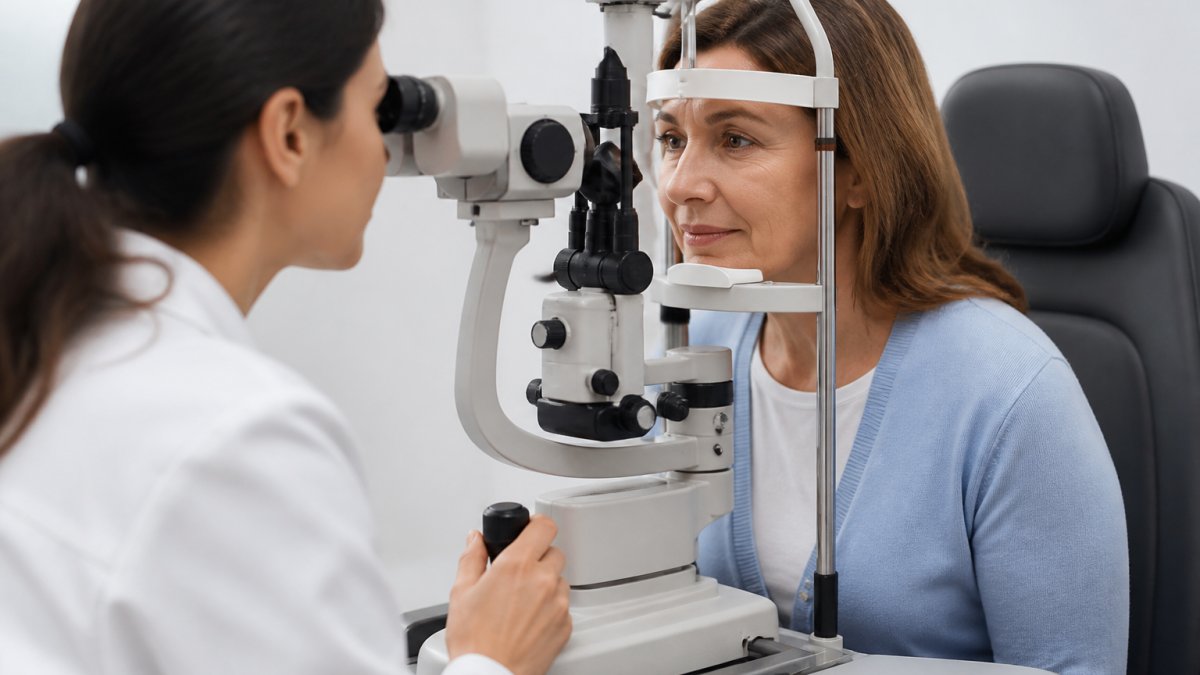
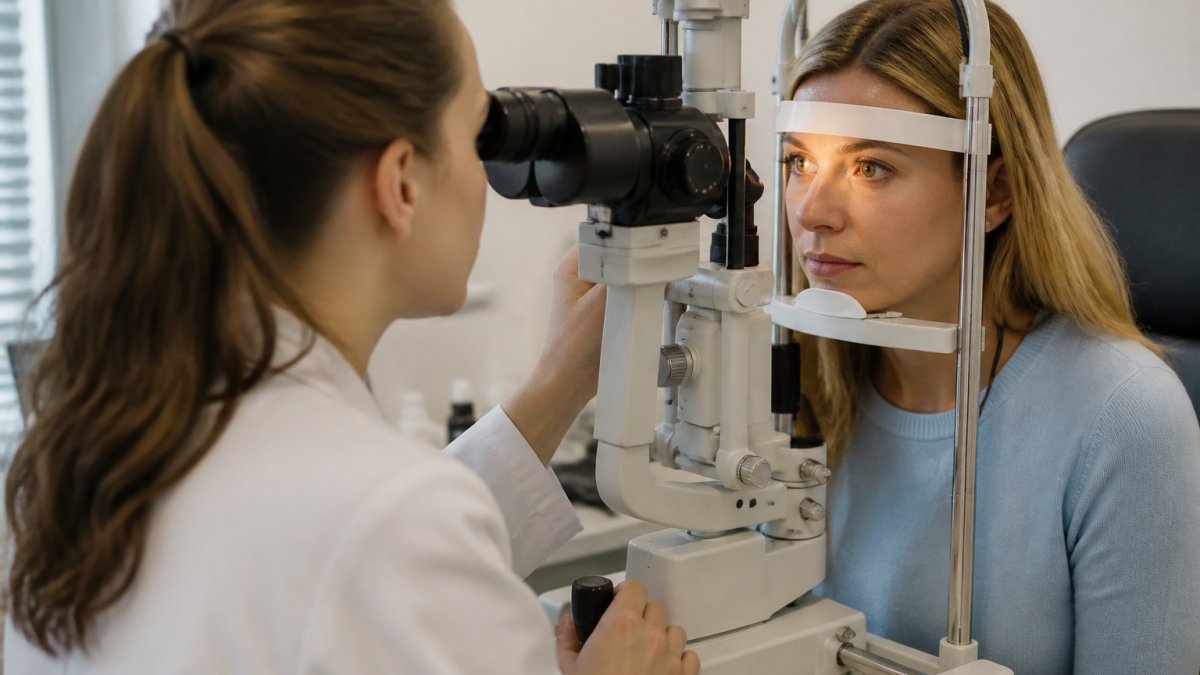
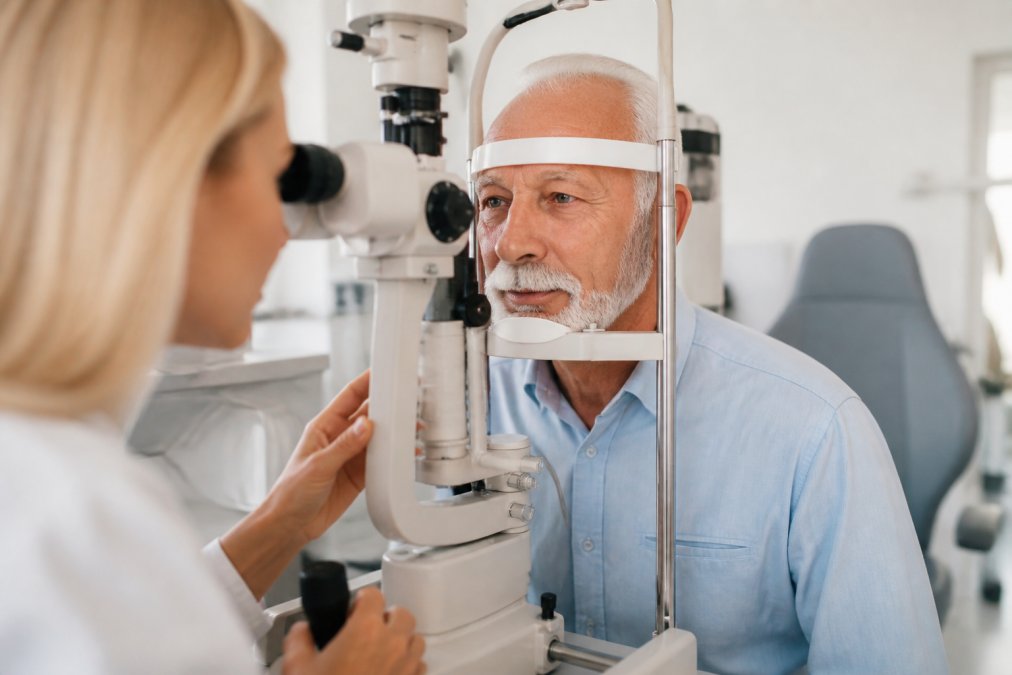
A comprehensive dilated eye exam is fundamentally different from a basic vision screening. During a dilated exam, your optometrist places drops in your eyes to enlarge your pupils, allowing direct visualization of your retina, optic nerve, and blood vessels. This examination reveals early signs of disease that standard vision tests miss.
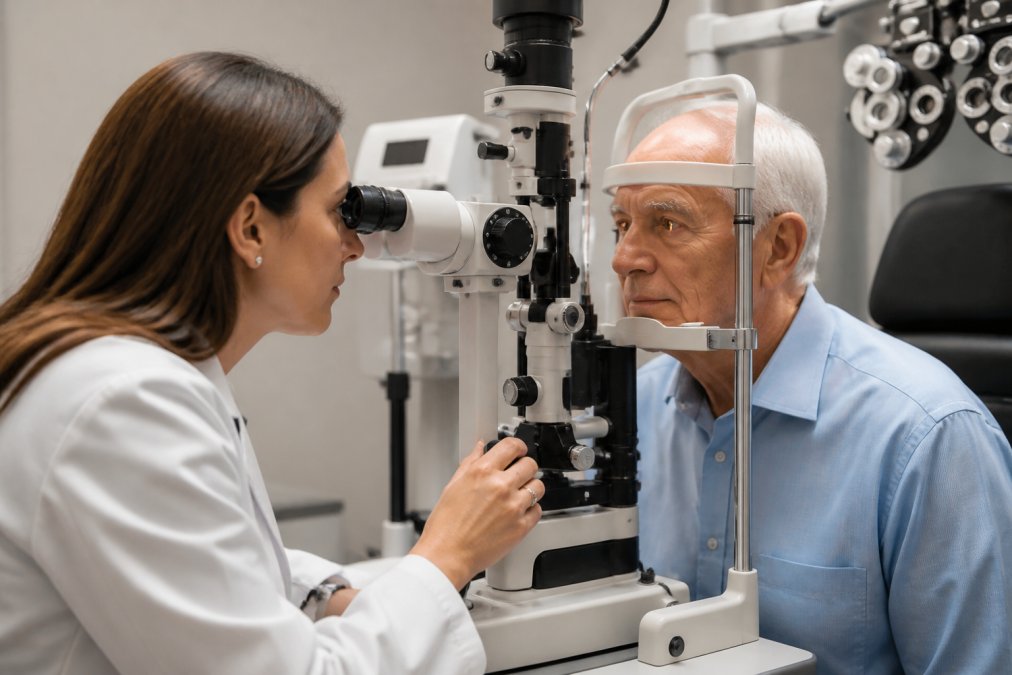
The dilated exam takes longer than a standard eye visit, typically 30 to 45 minutes, because your eyes remain dilated for several hours afterward, making reading and driving temporarily difficult. Plan to have someone drive you home or allow extra time before driving yourself. Some people experience mild discomfort or light sensitivity during this period, but these effects are temporary and harmless.
Why is dilation necessary? Without it, your eye care provider can only see the front and middle portions of your eye. Dilation allows examination of your peripheral retina, where many early disease signs appear. For seniors, this comprehensive view is irreplaceable for early detection of age-related macular degeneration, diabetic retinopathy, glaucoma, and other serious conditions.
Many seniors worry about the cost of comprehensive exams, but consider the alternative: discovering a serious eye disease only after significant, permanent vision loss has occurred. Early detection through preventative eye care for seniors prevents far more expensive interventions later.
Daily Habits to Maintain Healthy Vision
Your daily choices directly impact your eye health. Building protective habits now reduces your risk of vision problems and slows the progression of existing conditions.
Nutrition and Eye Health
What you eat affects your eyes as much as your overall health. Antioxidants like lutein, zeaxanthin, and vitamins C and E protect retinal cells from oxidative damage. These nutrients are abundant in leafy greens, orange vegetables, berries, and fatty fish rich in omega-3 fatty acids.

A common mistake is assuming you need special supplements to protect your vision. Most seniors can meet their nutritional needs through diet alone. Include dark leafy greens like spinach and kale, orange vegetables like carrots and sweet potatoes, berries, nuts, and fish in your regular meals. These foods support retinal health and may slow age-related vision decline.
UV Protection and Protective Eyewear
Cumulative sun exposure increases your risk of cataracts and macular degeneration. Wearing sunglasses with UVA and UVB protection whenever you're outdoors, even on cloudy days, is one of the simplest preventative measures available. Look for sunglasses that block 99% to 100% of both UVA and UVB rays.
Protective eyewear also matters in other contexts. If you do yard work, home repairs, or any activity involving flying debris or chemicals, wear appropriate safety glasses. Many eye injuries among seniors are preventable with proper eyewear.
Managing Digital Eye Strain
Seniors increasingly spend hours daily on screens, checking email, video calls with family, or reading news online. Digital eye strain, also called computer vision syndrome, causes discomfort, dry eyes, and blurred vision. Unlike younger people who might tolerate screen time easily, seniors often experience more pronounced symptoms.
The 20-20-20 rule helps: every 20 minutes, look at something 20 feet away for 20 seconds. This gives your eye muscles a break and reduces strain. Adjust your screen brightness to match your surroundings, position your screen at arm's length and slightly below eye level, and blink deliberately, many people blink less when concentrating on screens, which dries out the eyes.
If you experience persistent dry eyes, artificial tears designed for frequent use can help. Some seniors find that reducing screen time in the evening improves sleep quality and reduces eye fatigue the next day.
Medicare Vision Coverage for Seniors
Medicare Part B covers one comprehensive dilated eye exam every two years for beneficiaries at high risk for glaucoma. This includes people with a family history of glaucoma, African Americans age 50 and older, and Hispanic Americans age 65 and older. However, Medicare does not cover routine eye exams, glasses, contact lenses, or most eye disease treatments unless they're performed in a hospital setting.
Many seniors are surprised to learn how limited Medicare vision coverage actually is. This gap in coverage is why understanding low-cost alternatives matters so much.
Low-Cost Eye Care Options for Seniors
Affordable eye care exists, but you need to know where to look. Several pathways can reduce your costs significantly.
Many states offer vision care programs specifically for seniors with limited income. Contact your state's health department or Area Agency on Aging to learn about programs in your region. Some programs cover comprehensive eye exams and corrective lenses for eligible seniors.
Community health centers often provide eye exams on a sliding fee scale based on income. These federally qualified health centers serve uninsured and underinsured populations and adjust fees accordingly. Search for "federally qualified health center" plus your zip code to find locations near you.
Vision insurance plans separate from Medicare can cover routine exams and help with glasses or contact lens costs. These plans are typically affordable and worth exploring if you don't have existing coverage. Some are offered through AARP or other senior organizations.
Local optometry schools sometimes offer discounted comprehensive eye exams performed by students under faculty supervision. While this takes longer than a typical appointment, the exams are thorough and the cost savings can be substantial.
At Wilck Schwartz & Novak OD PC, we understand that cost concerns shouldn't prevent seniors from accessing quality preventative eye care. Our team works with patients to discuss their options and find solutions that fit their circumstances.
Warning Signs That Require Immediate Attention
Some eye symptoms demand urgent evaluation rather than waiting for your next scheduled exam. If you experience any of these warning signs, contact your eye care provider immediately or visit an urgent care facility:
- Sudden vision loss or blurred vision that doesn't improve with blinking
- Eye pain or severe discomfort
- Flashing lights or a sudden increase in floaters (small spots drifting across your vision)
- A shadow or curtain moving across your visual field
- Double vision that persists
- Eye redness accompanied by vision changes
- Discharge from your eye or signs of infection
- Injury to your eye, even if it seems minor
These symptoms can indicate serious conditions like retinal detachment, acute glaucoma, or infection that require prompt treatment. Delaying care in these situations risks permanent vision loss.
Preventative eye care for seniors isn't optional, it's the foundation of maintaining independence and quality of life as you age. Regular comprehensive dilated eye exams, daily protective habits, and awareness of warning signs work together to preserve your vision. If you're in the Brooklyn area and ready to prioritize your eye health, schedule an appointment with Wilck Schwartz & Novak OD PC. Our team uses advanced optometric equipment and modern technologies to assess your overall eye health with precision, catching problems early when treatment is most effective. Your vision is worth protecting.
Frequently Asked Questions
How often should seniors get comprehensive eye exams?
Most eye care professionals recommend that seniors age 65 and older have comprehensive dilated eye exams at least every one to two years, or more frequently if they have existing eye conditions or risk factors like diabetes. Those with a family history of glaucoma or age-related macular degeneration may need annual exams. Your optometrist or ophthalmologist can recommend a schedule based on your individual eye health needs and medical history.
Does Medicare cover preventative eye exams for seniors?
Original Medicare (Part B) covers one dilated eye exam every two years for beneficiaries at high risk for glaucoma, and one exam every 12 months for those with diabetes. However, routine eye exams for vision correction are generally not covered. Medicare Advantage plans may offer additional vision benefits. Contact your specific plan to understand your coverage, as benefits vary. Many seniors benefit from supplemental vision insurance or programs that offer low-cost care.
What are the most common eye diseases seniors face?
Age-related macular degeneration, cataracts, glaucoma, and diabetic retinopathy are among the most prevalent eye diseases in elderly populations. Presbyopia (difficulty focusing on close objects) is also extremely common. Early detection through regular comprehensive eye exams is critical for managing these conditions and slowing vision loss. Many of these diseases develop gradually without noticeable symptoms, making preventative screening essential for maintaining visual acuity and quality of life.
What lifestyle changes help maintain eye health as you age?
Eating a diet rich in leafy greens, fish high in omega-3 fatty acids, and foods with vitamins C and E supports ocular health. Wearing UV-protective sunglasses and hats when outdoors protects against UV damage. Managing chronic conditions like diabetes and high blood pressure reduces risk of retinal complications. Taking regular breaks from screens (following the 20-20-20 rule), staying physically active, and not smoking all contribute to long-term eye health and may slow age-related vision changes.
Are there affordable eye care programs for seniors with limited income?
Yes. Many communities offer low-cost or free eye exams and glasses through programs like Vision USA, EyeCare America, and local health departments. Some optometry schools provide discounted services. Federally Qualified Health Centers (FQHCs) offer sliding-scale fees based on income. Additionally, charitable organizations and nonprofit vision centers in your area may provide financial assistance. Contact your local health department or an optometrist's office to learn about programs available in your region.
What is the difference between an optometrist and an ophthalmologist for senior eye care?
Both provide eye exams and diagnose eye conditions, but ophthalmologists are medical doctors with surgical training, while optometrists hold a Doctor of Optometry degree. Ophthalmologists can perform eye surgery and manage complex medical eye diseases. Optometrists provide comprehensive eye exams, prescribe glasses and contacts, and diagnose and manage many eye conditions. For routine preventative care and early detection, either is qualified; your choice may depend on your specific needs and insurance coverage.
What warning signs suggest I need an urgent eye exam?
Seek immediate attention if you experience sudden vision loss, flashing lights, new floaters, eye pain, redness, discharge, or a dark curtain moving across your visual field. These may indicate serious conditions like retinal detachment, acute glaucoma, or infection requiring urgent care. Even if symptoms seem minor, sudden changes warrant a prompt evaluation. Don't wait for a scheduled appointment if you notice any of these signs, contact your eye care provider or visit an emergency room immediately.
How can medication side effects affect senior vision?
Certain medications commonly prescribed to seniors, including some blood pressure medications, antihistamines, and corticosteroids, can cause dry eyes, blurred vision, or other visual side effects. Discuss any vision changes with both your prescribing physician and eye care provider. They can determine whether a medication is responsible and may adjust your treatment if needed. Never stop taking prescribed medication without medical guidance, but always report vision changes during your eye exams.
This article was written using GrandRanker