 ultimate-guide
What Happens During a Comprehensive Eye Exam
Table of Contents
- What Is a Comprehensive Eye Exam?
- Why Comprehensive Eye Exams Matter for Your Ocular Health
- Preparing for an Eye Exam: Your Pre-Visit Checklist
- How Long Does a Comprehensive Eye Exam Take?
- Step-by-Step: What to Expect During Your Comprehensive Eye Exam
- Difference Between Routine and Comprehensive Eye Exams
- Post-Exam Recovery and What Comes Next
- Frequently Asked Questions
Last Updated: August 11, 2026
What Is a Comprehensive Eye Exam?
A comprehensive eye exam is a thorough evaluation of your eye health and vision that goes far beyond simply reading letters on a chart. During this appointment, your optometrist or ophthalmologist assesses your visual acuity, checks for refractive errors, evaluates how your eyes move and work together, measures intraocular pressure, screens for diseases like glaucoma and diabetic retinopathy, and reviews your complete medical history to understand how your overall health affects your vision. At Wilck Schwartz & Novak OD PC, our comprehensive eye exams use advanced optometric equipment to detect problems early and ensure your eyes support your daily activities and long-term ocular health.
A comprehensive exam differs fundamentally from a basic vision screening. A school screening or quick check at a retail location might tell you if you need corrective lenses, but it won't catch early signs of glaucoma, cataracts, macular degeneration, or other serious conditions that develop silently. Each component of the exam, from visual acuity testing to dilated eye exams, serves a specific purpose in creating a complete picture of your ocular health.
Why Comprehensive Eye Exams Matter for Your Ocular Health
Many people skip regular eye exams assuming their vision is fine, but serious eye diseases like glaucoma and diabetic retinopathy often develop without noticeable symptoms in their early stages. A comprehensive eye exam serves as an early detection tool for conditions that can lead to permanent vision loss.
During the exam, your optometrist evaluates your peripheral vision, tests your pupil response, measures intraocular pressure, and examines your retina through a dilated eye exam. These tests can reveal glaucoma, retinal damage, optic nerve problems, and other conditions long before you'd notice them yourself. Beyond disease detection, a comprehensive eye exam ensures your prescription is accurate and any visual problems are properly corrected. For children, regular exams ensure they have the visual resources needed for normal development and learning.
Your overall health influences your eye health. Conditions like diabetes, high blood pressure, and autoimmune diseases can all affect your eyes. During a comprehensive exam, your optometrist reviews your medical history and can sometimes spot signs of systemic disease through eye examination, making the exam valuable for your whole-body health.
Preparing for an Eye Exam: Your Pre-Visit Checklist
Arriving prepared for your comprehensive eye exam helps ensure the appointment runs smoothly and your optometrist gathers all necessary information.
Before your appointment:
- Gather your insurance card and photo ID
- Compile a list of current medications (including over-the-counter and supplements)
- Note any recent vision changes or eye discomfort you've experienced
- Bring your current glasses or contact lens prescription if you have one
- Write down any family history of eye disease (glaucoma, macular degeneration, cataracts, diabetic retinopathy)
- Arrange for someone to drive you home if you're getting dilated eye drops (these can temporarily blur your vision and make driving unsafe)
- Plan to spend 1-2 hours at the appointment
- Wear comfortable clothing and avoid heavy eye makeup on exam day
- Prepare a list of questions about your vision, eye comfort, or concerns about specific eye conditions
Being honest about your symptoms and lifestyle during the exam helps your optometrist provide the most relevant care. If you spend eight hours a day staring at screens or have noticed dry eyes, mention it. These details shape the testing and recommendations your optometrist provides.
How Long Does a Comprehensive Eye Exam Take?
A comprehensive eye exam typically takes 60-90 minutes from arrival to departure. The exact duration depends on your eye health, whether you need dilated drops, and whether your optometrist identifies any conditions requiring additional testing or discussion.
This time investment is necessary. Rushing through a comprehensive eye exam compromises the quality of care. Each component requires careful attention, and your optometrist needs time to discuss findings, answer your questions, and develop a treatment plan if needed. Plan for the full 60-90 minutes, and you'll have a much better experience.
Step-by-Step: What to Expect During Your Comprehensive Eye Exam
Understanding each step demystifies the process and helps you feel more comfortable and prepared.
Medical and Vision History Review
Your comprehensive eye exam begins with a detailed conversation about your health and vision. Your optometrist will ask about your current vision problems, any recent changes you've noticed, and your medical history. They'll want to know about eye diseases that run in your family, your current medications, and any systemic conditions like diabetes or high blood pressure that can affect your eyes.
This information shapes the entire exam. If you mention frequent headaches when reading, your optometrist will pay special attention to your refraction and binocular vision. If you report dry eyes, they'll assess your corneal health and tear film. Be specific about your symptoms, describe when fatigue occurs, whether distance vision, reading vision, or both are affected. The more detail you provide, the more targeted your exam becomes.
Visual Acuity and Refraction Testing
The first formal test measures your visual acuity, how clearly you can see at different distances. You'll read letters on a chart from 20 feet away, starting with large letters and progressing to smaller ones. This establishes your baseline vision and reveals whether you have refractive error.
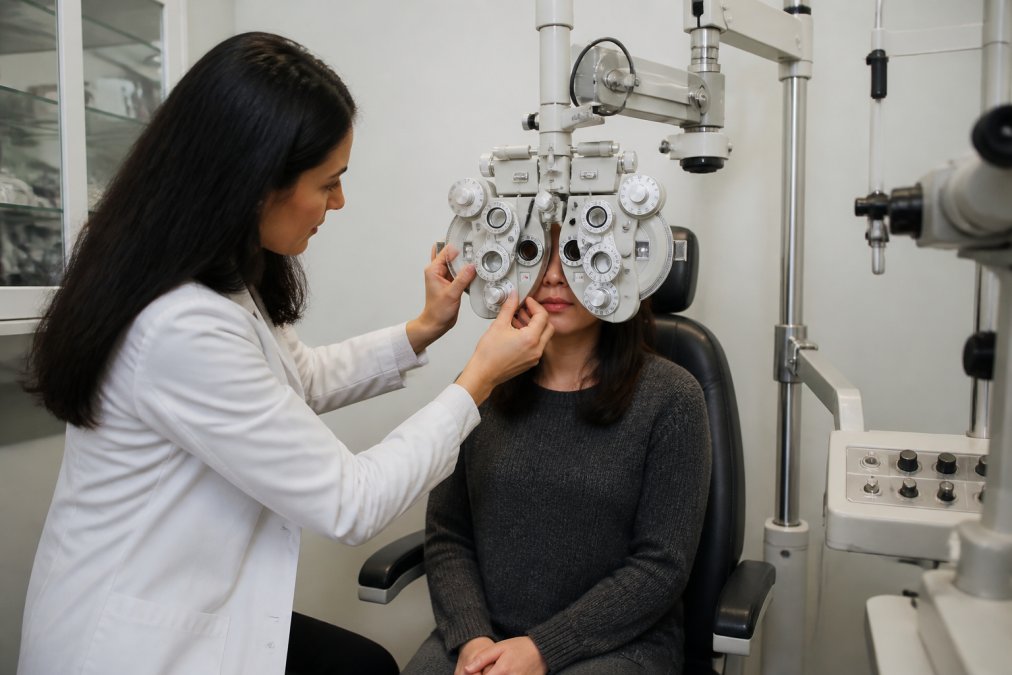
Next comes refraction testing using a phoropter, the large mechanical device with multiple lenses. Your optometrist will ask "Is this better, or is this better?" repeatedly as they dial through different lens combinations. This process determines your precise prescription for distance and reading vision. Your honest perception is what matters. The goal is identifying the exact prescription that gives you the clearest, most comfortable vision.
Eye Alignment, Movement, and Binocular Vision Assessment
Your eyes need to work together smoothly for comfortable, clear vision. Your optometrist tests binocular vision, how well your two eyes coordinate, through several quick tests. You might follow a light or object as it moves in different directions, or look at a target while your optometrist observes your eye alignment and tracking.
These tests reveal whether your eyes move smoothly together, whether one eye is stronger than the other, and whether you have any alignment issues. Problems with eye alignment or coordination can cause eye strain, headaches, or double vision, particularly during reading or screen work. The assessment also includes testing your depth perception and how your eyes adjust focus as objects move closer and farther away.
Pupil Response and Eye Health Screening
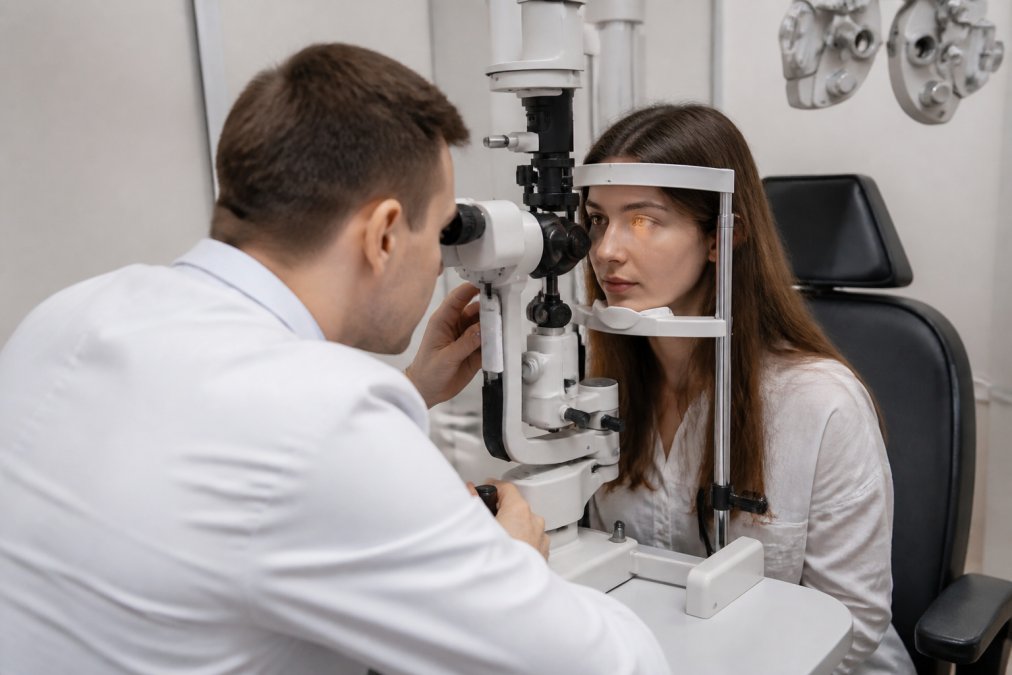
Your optometrist will shine a light in each eye to observe how your pupils respond. Pupils should constrict in bright light and dilate in dim light. Abnormal pupil responses can indicate neurological problems or other health issues.
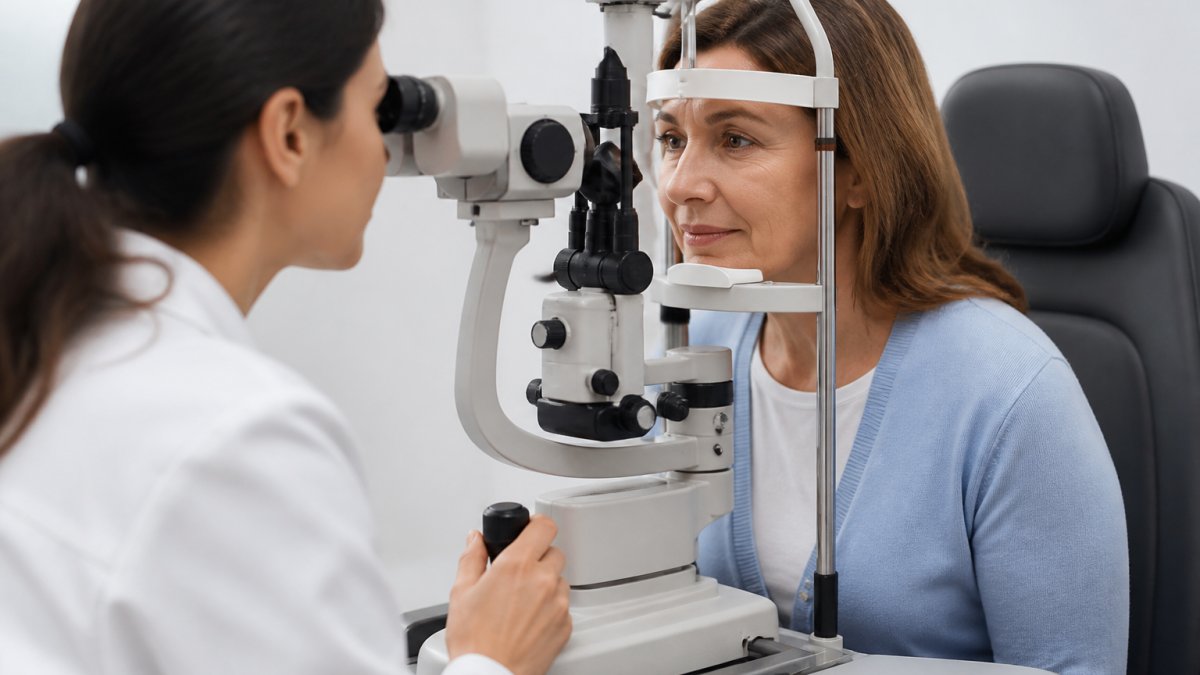
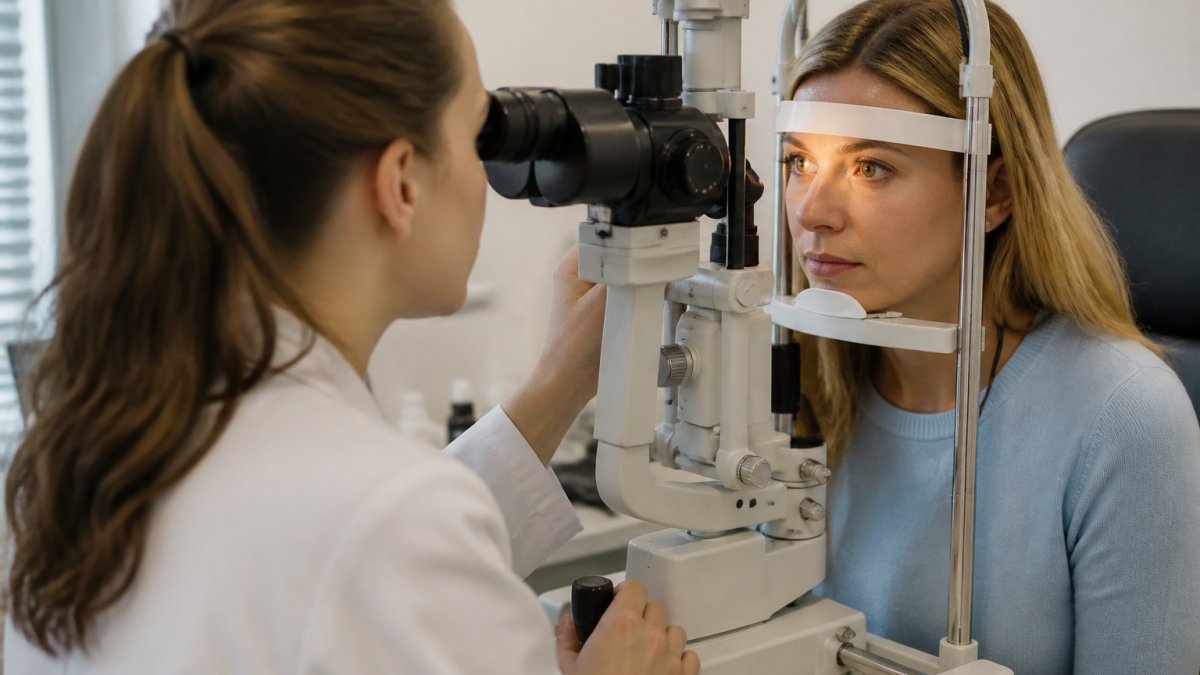
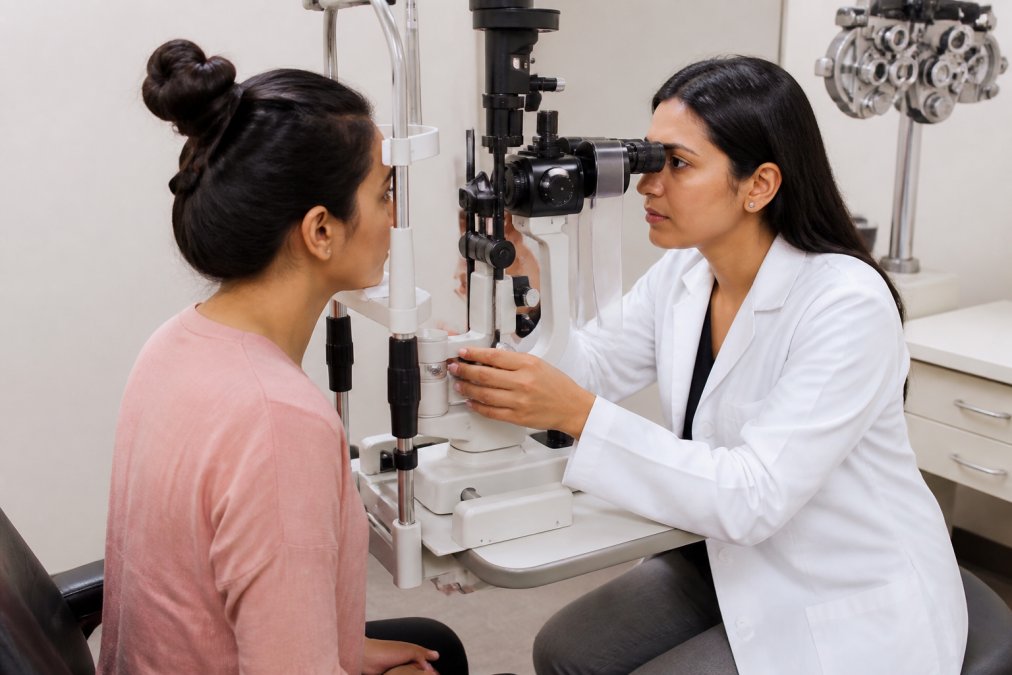
Your optometrist will also use a slit lamp, a specialized microscope with a focused light beam, to examine the front structures of your eye. They'll look at your corneal health, check for cataracts in your lens, evaluate your iris, and assess the overall health of the anterior segment. This is also when your optometrist checks your blink response and evaluates your tear film. If you've mentioned dry eyes, your optometrist will pay close attention to tear production and may recommend treatments like artificial tears or warm compresses.
Intraocular Pressure Measurement and Glaucoma Screening
Glaucoma is a serious eye disease characterized by elevated intraocular pressure that damages the optic nerve and can lead to permanent vision loss. Early detection is critical because glaucoma often develops without noticeable symptoms. Your optometrist measures your intraocular pressure using tonometry.
The most common method is applanation tonometry, where a small probe gently touches your cornea after numbing drops are applied. You'll feel slight pressure but no pain. Some offices use non-contact tonometry, which uses a puff of air instead of direct contact. Elevated intraocular pressure doesn't automatically mean you have glaucoma, but it's a risk factor that requires monitoring.
Dilated Eye Exam and Retinal Imaging
The final major component of a comprehensive eye exam is the dilated eye exam. Your optometrist will instill dilating drops into each eye. These drops relax the muscles controlling your pupil, allowing it to open wide so your optometrist can see deep into your eye and examine your retina, optic nerve, and blood vessels.
The dilated exam is how your optometrist screens for serious conditions like diabetic retinopathy, macular degeneration, retinal detachment, and other retinal diseases. Many offices also use retinal imaging, a digital camera that captures detailed photographs of your retina. These images become part of your permanent record, allowing your optometrist to track changes over time.
The dilating drops take 20-30 minutes to fully work and can last 4-6 hours. During this time, your vision will be blurry and your eyes will be sensitive to light. This is why arranging a ride home is important.
Difference Between Routine and Comprehensive Eye Exams
A routine eye exam focuses primarily on updating your prescription and checking that your current vision correction is adequate. It typically includes visual acuity testing, refraction, and a basic assessment of eye health, taking 30-45 minutes.
A comprehensive eye exam is more thorough and takes longer. It includes everything in a routine exam plus extensive evaluation of ocular health: detailed binocular vision assessment, intraocular pressure measurement, dilated eye exam, retinal imaging, and thorough review of your medical and family history. A comprehensive exam is recommended annually for most adults, more frequently if you have risk factors for eye disease, manage a chronic condition like diabetes, or are over 60.
Wilck Schwartz & Novak OD PC recommends comprehensive eye exams as the standard for all patients because early detection of eye disease is critical. Even if you feel your vision is fine, conditions like glaucoma, diabetic retinopathy, and macular degeneration develop silently.
Post-Exam Recovery and What Comes Next
After your comprehensive eye exam, you'll have dilated pupils and blurry vision if dilating drops were used. This is temporary but important to manage carefully.
Immediately after your exam:
- Your vision will be blurry, especially for reading and close work
- Your eyes will be sensitive to light; sunglasses are helpful
- Don't drive until your vision clears (typically 2-3 hours, sometimes longer)
- Avoid activities requiring sharp vision
The blurriness and light sensitivity are side effects of the dilating drops and are completely normal. They'll fade as the drops wear off.
After you leave the office:
Your optometrist will discuss their findings and any recommendations. If a new prescription is needed, they'll provide it and explain how to use it. If any eye disease or other condition was detected, your optometrist will explain what it means, what monitoring or treatment is needed, and when you should return.
Follow-up care:
Most people should have a comprehensive eye exam annually. If you have risk factors for eye disease, family history of glaucoma, diabetes, high blood pressure, or age over 60, more frequent exams may be recommended. If an eye disease is detected, your optometrist will establish a monitoring schedule appropriate for your condition.
Keep your prescription in a safe place. If you notice any changes in your vision, new eye discomfort, flashes of light, floaters, or other concerning symptoms between exams, contact your optometrist.
A comprehensive eye exam is one of the most important preventive health measures you can take. It protects your vision, detects disease early, and ensures your eyes support your quality of life. At Wilck Schwartz & Novak OD PC, our team uses advanced optometric equipment and modern technologies to provide thorough, precise examinations that catch problems early and establish a clear picture of your ocular health. If you're due for a comprehensive eye exam or haven't had one in several years, schedule an appointment and take the first step toward better vision and eye health. Our warm, inviting office environment and commitment to detailed, personalized care ensure you receive the thorough evaluation your eyes deserve.
Frequently Asked Questions
What should I expect during a comprehensive eye exam?
A comprehensive eye exam includes medical history review, visual acuity testing, refraction assessment, eye alignment and movement checks, pupil response evaluation, intraocular pressure measurement, and a dilated eye exam with retinal imaging. The optometrist or ophthalmologist will evaluate your overall ocular health, screen for conditions like glaucoma and macular degeneration, and assess your prescription needs. You'll spend time answering questions about your health and symptoms, then move through various testing stations using specialized equipment like the phoropter and slit lamp.
Do they dilate your eyes during a comprehensive eye exam?
Yes, pupil dilation is a standard part of most comprehensive eye exams. The optometrist instills dilating drops to widen your pupils, allowing them to examine your retina, optic nerve, and peripheral vision more thoroughly. This helps detect conditions like diabetic retinopathy, cataracts, and macular degeneration. After dilation, your vision may be blurry and you may be sensitive to light for several hours, so plan to wear sunglasses or arrange for a ride if needed.
How long does a comprehensive eye exam take?
A comprehensive eye exam typically takes 60 to 90 minutes, depending on your ocular health history, the complexity of your vision needs, and whether additional testing is required. The initial history and symptom evaluation takes 10 to 15 minutes, visual acuity and refraction testing takes 20 to 30 minutes, and the dilated eye exam with retinal imaging takes another 20 to 30 minutes. If you need contact lens fitting or have specific concerns, the appointment may take longer.
What health conditions can an eye doctor detect during an exam?
Eye doctors can detect numerous conditions during a comprehensive eye exam, including refractive errors (myopia, hyperopia, astigmatism), presbyopia, cataracts, glaucoma, macular degeneration, diabetic retinopathy, hypertensive retinopathy, dry eye syndrome, and corneal health issues. They may also spot signs of systemic diseases like diabetes, high blood pressure, and high cholesterol through examination of blood vessels and nerve tissue in the eye. Early detection of these conditions can prevent vision loss and guide treatment decisions.
Is a comprehensive eye exam the same as a routine eye exam?
No. A routine eye exam focuses on assessing your current prescription and checking basic eye health, typically taking 30 to 45 minutes. A comprehensive eye exam is more thorough and includes additional testing for ocular diseases, detailed assessment of eye alignment and binocular vision, glaucoma screening with tonometry, and a dilated retinal exam. Comprehensive exams are recommended annually or as advised by your eye care provider, especially if you have risk factors for eye disease or systemic health conditions.
Should I bring my current glasses or contacts to my eye exam?
Yes, bringing your current glasses or contacts is helpful. Your eye care provider may want to verify your current prescription and assess how well your current correction is working. If you wear contact lenses, bring your current pair or the contact lens case so the optometrist can review the fit and prescription. If you have multiple pairs of glasses, bringing them allows the doctor to compare how your vision has changed over time.
How should I prepare for a comprehensive eye exam?
Prepare by gathering your medical history, including any medications you take and past eye surgeries or injuries. Write down any vision problems or eye symptoms you've noticed recently. Bring your insurance card and a list of current eyeglass or contact lens prescriptions if available. Wear comfortable clothing and plan for dilation, which may blur your vision for several hours. If you drive, consider having someone else drive you home, or wear sunglasses to manage light sensitivity after the exam.
Can a comprehensive eye exam detect digital eye strain?
Yes. During a comprehensive eye exam, your eye care provider can assess symptoms related to digital eye strain, such as dry eyes, blurred vision, and eye fatigue. They may evaluate your tear film quality, corneal health, and accommodation (focusing ability) to determine if digital eye strain is contributing to your symptoms. They can also assess whether your current prescription is adequate for screen work and recommend strategies like the 20-20-20 rule, proper monitor positioning, or specialized computer glasses to reduce strain.
This article was written using GrandRanker