 ultimate-guide
Cost of Comprehensive Eye Exam: 2026 Pricing Guide
Table of Contents
- Average Cost of a Comprehensive Eye Exam
- What Is Included in a Comprehensive Eye Exam
- Factors Influencing Eye Exam Pricing
- Eye Exam Cost Without Insurance Coverage
- Vision Insurance vs. Medical Insurance for Eye Exams
- Average Cost of Eye Exam With Contact Lens Fitting
- How to Find Affordable Eye Exams Near Me
- Why Regular Comprehensive Eye Exams Matter
- Frequently Asked Questions
Last Updated: August 9, 2026
Average Cost of a Comprehensive Eye Exam
A comprehensive eye exam typically costs between $100 and $300 when paid out of pocket, though the actual price depends heavily on your location, the provider's experience level, and whether advanced testing is included. In major metropolitan areas like Brooklyn, prices tend to run higher than national averages.
The cost of comprehensive eye exam services varies significantly based on several factors. Without insurance, you're looking at the full retail price. With vision insurance, you might pay only a copay, often $10 to $50, while your plan covers the remainder. Medical insurance (through your health plan) may cover eye exams if they're deemed medically necessary, though this typically applies to exams related to a specific condition rather than routine preventative care.
Understanding what drives these costs helps you budget appropriately and find options that fit your financial situation. The price you pay reflects the scope of testing, the technology used, and the expertise of the optometrist or ophthalmologist performing the exam.
What Is Included in a Comprehensive Eye Exam
A comprehensive eye exam goes far beyond simply reading letters on a chart. It's a thorough assessment of your eye health and visual function that typically includes visual acuity testing, refraction to determine your prescription, intraocular pressure measurement, retinal imaging, and evaluation of eye alignment and eye movement.
During a comprehensive eye exam, the optometrist or ophthalmologist will perform several key assessments. Visual acuity testing measures how clearly you see at various distances. Refraction determines your exact prescription for glasses or contact lenses. Tonometry measures the pressure inside your eye to screen for glaucoma. Dilated eye exams allow the doctor to examine the retina and optic nerve more thoroughly, checking for signs of disease or damage.
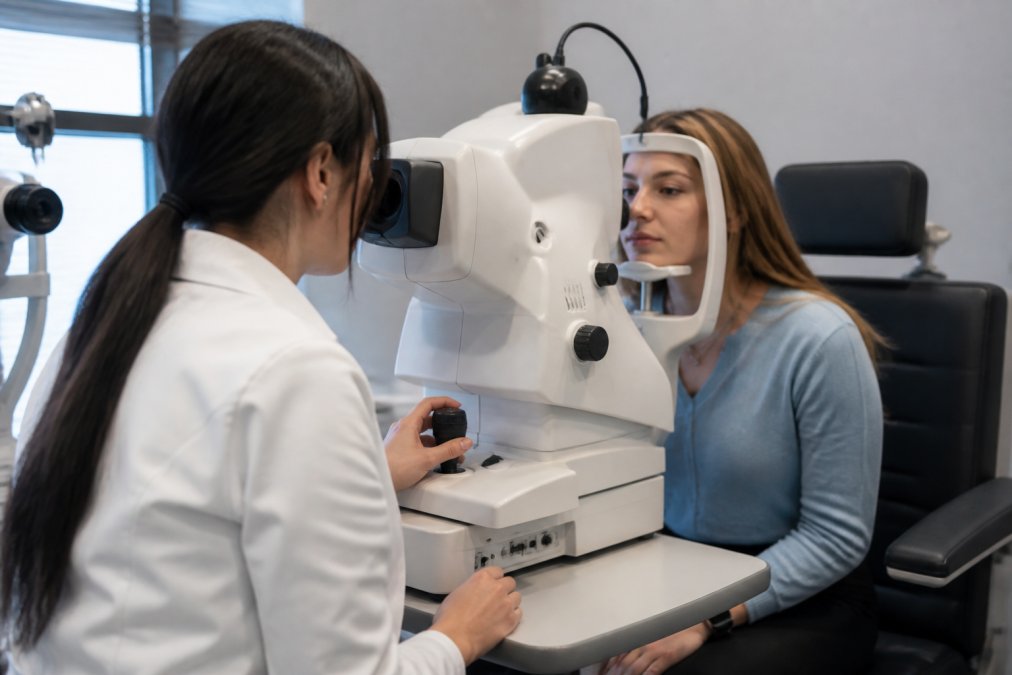
Many comprehensive exams also include retinal imaging or optical coherence tomography (OCT), which creates detailed cross-sectional images of the back of your eye. This technology allows early detection of conditions like macular degeneration, diabetic retinopathy, and other ocular diseases. Additional testing might include visual field analysis, color vision testing, or assessment of your eye's focusing ability.
The comprehensiveness of your exam directly affects the cost of comprehensive eye exam services. A basic vision screening at a retail location might take 15 minutes and focus mainly on your prescription. A true comprehensive exam can take 45 minutes to an hour and includes evaluation of overall eye health, disease screening, and assessment of how your eyes work together. This difference in scope explains much of the price variation you'll encounter.
Factors Influencing Eye Exam Pricing
Several variables determine what you'll pay for a cost of comprehensive eye exam services. Geographic location is one of the most significant factors, eye exams in urban areas like Brooklyn typically cost more than in rural regions. This reflects higher overhead costs for providers, increased real estate expenses, and generally higher local wages.
The provider's credentials and experience level also affect pricing. An experienced ophthalmologist with a subspecialty (such as corneal disease or retinal conditions) typically charges more than a general optometrist. However, for a routine comprehensive exam, an optometrist is fully qualified and often charges less than an ophthalmologist.
The technology available at the practice influences cost as well. Practices equipped with advanced diagnostic tools like OCT imaging, digital retinal photography, or automated visual field testing often charge more than those using basic equipment. These technologies enable earlier disease detection and more precise diagnoses, which justifies the higher fee.
Insurance network status matters too. In-network providers have negotiated rates with insurance companies, which can be substantially lower than out-of-network prices. If you have vision insurance, choosing an in-network provider can significantly reduce your out-of-pocket cost of comprehensive eye exam expenses.
Time of year can occasionally affect pricing. Some practices offer promotional pricing during certain seasons or for new patients. Established patients might receive loyalty discounts or package deals if they're also purchasing glasses or contacts.
Eye Exam Cost Without Insurance Coverage
Without insurance, you pay the full retail price for your eye exam. This typically ranges from $100 to $300 depending on the factors mentioned above. In Brooklyn and other high-cost urban areas, expect to be on the higher end of that range.
When paying out of pocket, it's worth understanding what you're actually paying for. The eye exam itself, the doctor's time and expertise, is one component. The use of diagnostic equipment and technology is another. If your exam includes advanced testing like OCT imaging or digital retinal photography, these add to the cost.
Many practices offer cash discounts if you pay at the time of service rather than using insurance. Some optometry offices have membership programs or annual eye care packages that reduce the per-visit cost if you commit to regular exams. These can be worth exploring if you know you'll need multiple visits throughout the year.
For those without insurance and facing financial constraints, many community health centers and optometry schools offer reduced-cost or sliding-scale eye exams. These provide legitimate comprehensive eye care at a fraction of typical retail prices, though appointments may take longer to schedule.
Vision Insurance vs. Medical Insurance for Eye Exams
Understanding the difference between vision insurance and medical insurance is crucial for managing eye exam costs. Vision insurance (also called vision benefits) is typically a standalone policy or add-on that covers routine eye care like exams, glasses, and contact lenses. Medical insurance (your health plan) covers treatment of eye diseases and conditions.
Vision insurance usually covers one or two comprehensive eye exams per year, often with just a copay ($10-$50). In exchange, you pay a monthly or annual premium for the vision plan. Vision insurance also typically provides allowances toward glasses or contact lenses, though these allowances are usually modest.
Medical insurance covers eye exams only when they're medically necessary, meaning they're related to diagnosis or treatment of an eye disease or condition. If you have diabetes, for example, your medical insurance should cover diabetic eye exams. If you develop glaucoma, treatment and monitoring visits are covered. However, routine preventative eye exams aren't typically covered by medical insurance unless there's an underlying medical reason.
The cost of comprehensive eye exam services can be handled by either type of insurance, but the coverage works differently. With vision insurance, you're covered for preventative care. With medical insurance, you're covered for disease-related care. Many people have both types of coverage, which provides the most comprehensive protection.
If you have only medical insurance and no vision coverage, a routine comprehensive eye exam might not be covered at all. This is why some people without vision insurance choose to pay out of pocket for annual exams, it's often cheaper than paying the full retail price when you need treatment for a detected condition later.
Average Cost of Eye Exam With Contact Lens Fitting
Contact lens fitting adds to the cost of comprehensive eye exam services. While the comprehensive eye exam itself remains the same, fitting involves additional steps and expertise. A contact lens fitting typically costs $50 to $150 on top of the exam fee, depending on the complexity and the provider's experience with contact lens fitting.
During contact lens fitting, the optometrist measures the curvature of your cornea, determines the appropriate lens size and material, and conducts trial fittings to ensure proper fit and comfort. This process takes additional time beyond a standard exam and requires specialized equipment. If you have astigmatism or other refractive irregularities, fitting may be more complex and cost more.
The fitting fee sometimes includes a certain number of follow-up visits to ensure the lenses are fitting properly and your vision is optimal. After the initial fitting, subsequent contact lens exams (typically annual) may cost less than the initial fitting exam since the fitting work is already complete.
If you're switching contact lens brands or types, some practices charge a reduced re-fitting fee rather than a full fitting fee. Others include contact lens exams as part of your annual vision benefits if you have vision insurance.
How to Find Affordable Eye Exams Near Me
Finding affordable eye exams requires knowing where to look and what questions to ask. Start by checking whether you have vision insurance and, if so, which providers are in your network. In-network exams are almost always significantly cheaper than out-of-network visits.
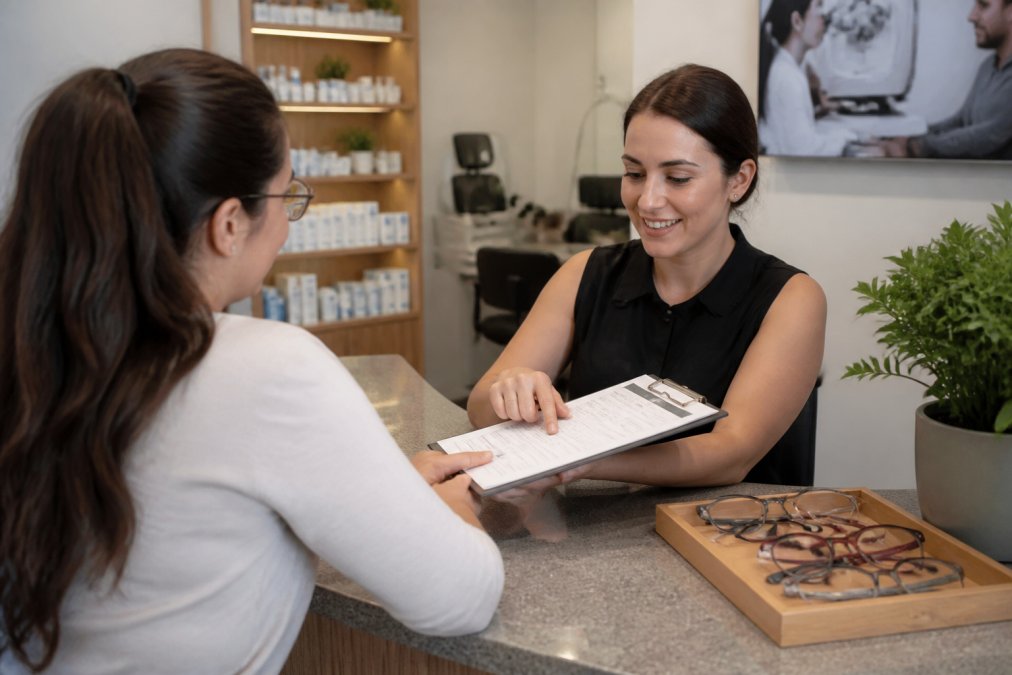
If you don't have vision insurance, call local optometry practices and ask for their cash price for a comprehensive eye exam. Prices vary, and some practices may offer discounts for first-time patients or those paying cash. Community health centers often provide comprehensive eye exams at reduced rates based on income. Optometry schools in your area may offer exams performed by students under faculty supervision at significantly lower cost.
Retail chains like Costco, Sam's Club, and Walmart often have optometry departments with competitive pricing. While these exams are performed in a retail setting rather than a dedicated optometry office, they're legitimate comprehensive exams. The trade-off is typically less personalized service and potentially longer wait times.
Ask about membership programs or annual packages. Some practices offer annual eye care memberships that bundle exams with discounts on glasses or contacts. If you anticipate needing multiple visits, these can provide better value than paying per visit.
Don't automatically choose the cheapest option. An eye exam that misses early signs of serious disease costs far more in the long run than paying a bit more upfront for a thorough, comprehensive evaluation. The cost of comprehensive eye exam services should reflect the quality and thoroughness of the care, not just the lowest price available.
Why Regular Comprehensive Eye Exams Matter
Regular comprehensive eye exams do more than check whether you need new glasses. They're a critical component of preventative health care that can detect serious conditions in their earliest, most treatable stages. Many eye diseases, glaucoma, macular degeneration, diabetic retinopathy, develop without symptoms until significant vision loss has occurred.
Early detection of these conditions can prevent permanent vision loss. Glaucoma, for instance, damages the optic nerve gradually and often silently. By the time you notice symptoms, irreversible damage may have occurred. Regular exams catch elevated eye pressure before it causes permanent nerve damage.
For children, comprehensive eye exams ensure their visual development is on track. Undetected vision problems can affect learning and development. A child might struggle in school not because of a learning disability but because they can't see the board clearly. Regular exams catch these issues early.
For adults with systemic conditions like diabetes or hypertension, eye exams can reveal complications of these diseases. Diabetic retinopathy, for example, is a leading cause of vision loss in working-age adults. Regular comprehensive exams catch it before it progresses to vision-threatening stages.
The cost of comprehensive eye exam services is an investment in long-term eye health and overall well-being. The expense of treating advanced eye disease, including potential vision loss, surgical interventions, and ongoing management, far exceeds the cost of regular preventative exams.
Finding the right provider for your eye care needs matters just as much as understanding the costs involved. At Wilck Schwartz & Novak OD PC, we've been serving the Brooklyn community since 1964 with comprehensive eye exams that use advanced optometric equipment and modern technologies. Whether you need routine vision care, contact lens fitting, or management of ocular conditions, our team is committed to early detection and precise treatment for optimal long-term eye health. Schedule an appointment with us today and experience the difference that thorough, personalized eye care can make.
Frequently Asked Questions
How much does a comprehensive eye exam cost without insurance?
The cost of a comprehensive eye exam without insurance varies based on your location, the provider's experience level, and the specific tests included. Out-of-pocket costs typically depend on whether you're seeing an optometrist or ophthalmologist, the complexity of your eye health needs, and any additional services like retinal imaging or contact lens fitting. Contact your local eye care provider directly for their specific pricing, as costs differ significantly between practices.
What is included in a comprehensive eye exam?
A comprehensive eye exam includes visual acuity testing, refraction to determine your prescription, eye pressure measurement, dilated eye examination to assess the retina and optic nerve, and often retinal imaging and other diagnostic testing. The provider evaluates your overall ocular health, screens for conditions like glaucoma and macular degeneration, and assesses how your eyes work together. Additional services like contact lens fitting or specialist consultation may be offered depending on your needs.
Does Medicare cover comprehensive eye exams?
Medicare Part B covers eye exams only when medically necessary to diagnose or treat a specific eye disease or condition. Routine vision exams for glasses or contact lens prescriptions are not covered. However, Medicare does cover one dilated eye exam every two years for beneficiaries with diabetes as part of diabetic retinopathy screening. Check your specific Medicare plan details or contact Medicare directly to understand your coverage.
How much more does a comprehensive eye exam cost with contact lens fitting?
Contact lens fitting adds to the base exam cost because it involves additional time, specialized equipment, and multiple follow-up visits to ensure proper fit and comfort. The fitting process includes measuring your cornea, testing different lens types, and adjusting the prescription for contacts versus glasses. Costs vary by provider and lens complexity, so ask your eye care provider for a breakdown of exam costs versus fitting fees when you call.
This article was written using GrandRanker