 ultimate-guide
Emergency Eye Care in Brooklyn: A Patient's Guide
Table of Contents
- What Constitutes an Eye Care Emergency
- Recognizing Symptoms of Eye Emergency
- What to Do for Eye Injury: First Steps
- Finding 24 Hour Eye Doctor Services in Brooklyn
- Common Eye Injuries and Acute Conditions Requiring Emergency Care
- Emergency Eye Care in Brooklyn: What to Expect
- Post-Emergency Care and Recovery Instructions
- Insurance Coverage and Payment Information
Emergency Eye Care in Brooklyn: A Patient's Guide
Last Updated: August 1, 2026
When your eye suddenly feels sharp pain or your vision blurs without warning, you need to know where to turn. Emergency eye care in brooklyn isn't just about finding a location, it's about understanding what constitutes a true ocular emergency and getting the right level of care immediately. At Wilck Schwartz & Novak OD PC, we've treated countless patients who arrived unsure whether their symptoms demanded urgent attention or could wait for a routine appointment.
This guide covers what makes an eye condition an emergency, how to recognize warning signs, what immediate steps to take before seeing a professional, and how to navigate your options for same-day care in Brooklyn.
What Constitutes an Eye Care Emergency
An eye emergency is any condition that threatens your vision or involves acute pain, trauma, or sudden changes in sight. Vision-threatening conditions demand immediate professional evaluation, sometimes within hours. These include chemical burns, retinal detachment, acute angle-closure glaucoma, corneal abrasion with foreign body, severe eye trauma, sudden vision loss, and endophthalmitis (a serious eye infection).
Several factors determine whether your situation qualifies as urgent:
- Sudden onset: Did the problem appear without warning, or did it develop gradually? Sudden changes are more likely to signal something serious.
- Severity of pain: Mild discomfort differs from sharp, intense pain that makes it difficult to keep your eye open.
- Vision impact: Can you see clearly, or has your vision changed noticeably? Any sudden vision loss warrants immediate evaluation.
- Cause: Did something hit your eye, splash into it, or cause visible injury? Trauma always demands professional assessment.
- Systemic symptoms: Do you have fever, nausea, or headache alongside eye symptoms? These may indicate a more serious condition.
Understanding these criteria helps you avoid unnecessary emergency room visits while ensuring you don't delay care when it truly matters.

Recognizing Symptoms of Eye Emergency
Certain symptoms signal that you need professional evaluation today. Acute conditions demanding urgent attention include sudden vision loss, flashes of light accompanied by floaters, a shadow or curtain moving across your field of vision, eye pain that's sharp or intense, chemical exposure, foreign body sensation with scratching feeling, excessive tearing or discharge, sudden redness, severe light sensitivity, or any eye trauma from impact.
The symptom profile matters as much as individual signs. A patient with mild redness and slight irritation probably has conjunctivitis or allergic reaction. A patient with sudden vision loss, floaters, and flashes of light may have retinal detachment, a vision-threatening emergency. The combination tells the story.
Pain intensity is a critical signal. Minor discomfort from dry eyes feels like scratchiness or slight irritation. Acute eye pain, the kind that makes you wince and want to keep your eye closed, suggests corneal damage, acute glaucoma, or significant inflammation. That level of pain warrants urgent care.
What to Do for Eye Injury: First Steps
The minutes immediately following an eye injury shape the outcome. Knowing what to do and what to avoid can prevent additional damage while you're waiting to see a professional.
For foreign body in the eye: Do not rub your eye. Blink gently several times to encourage natural tearing. If the object is visible on the white of the eye, try flushing with clean water or sterile saline solution by tilting your head and letting water run across the eye for several seconds. If the object doesn't flush out, seek professional care immediately.
For chemical exposure: Time is critical. Flush your eye with clean running water for at least 15 minutes, holding your eyelid open gently. If you're wearing contact lenses, remove them during flushing. After rinsing, seek emergency care immediately.
For blunt trauma: Apply a cold compress (not ice directly on skin) for 10-15 minutes to reduce swelling. Keep your eye closed if light causes pain. Do not apply pressure or massage the eye. Seek professional evaluation promptly, even if the eye feels fine.
For scratched or abraded cornea: Avoid touching the eye. Blink gently and use artificial tears if available. Do not wear contact lenses until a professional clears you. Seek care the same day.
General principles for any acute eye injury:
- Stop any activity that caused the injury
- Do not apply pressure or rub the eye
- Do not use over-the-counter drops unless you know they're appropriate
- Protect the eye from light if that's painful
- Seek professional evaluation promptly
The goal of first aid is preventing additional injury while you get to professional care.
Finding 24 Hour Eye Doctor Services in Brooklyn
Access to same-day or after-hours eye care varies across Brooklyn. Understanding your options helps you reach care quickly when you need it.
Urgent care centers in Brooklyn often have optometrists or ophthalmologists on staff during extended hours. These facilities can handle many acute conditions: foreign body removal, corneal abrasion evaluation, eye infection diagnosis, and acute red eye. They typically have basic eye equipment and can prescribe medications. Wait times vary but often run 30-90 minutes.
Hospital emergency departments are equipped for vision-threatening emergencies: retinal detachment, acute glaucoma, serious trauma, chemical burns, and conditions requiring immediate surgical intervention. They have advanced diagnostic equipment, access to specialists, and the capability to admit patients for ongoing care. Emergency rooms operate 24/7.
Optometry practices like Wilck Schwartz & Novak OD PC offer same-day appointments for acute eye problems during business hours. These offices have advanced optometric equipment for precise diagnosis and management of ocular emergencies. For after-hours emergencies, they typically provide a recorded message directing patients to appropriate emergency services.
Urgent Care vs. Emergency Room: Making the Right Choice
Choose urgent care for: mild to moderate eye pain, suspected minor foreign body, possible conjunctivitis or eye infection, minor corneal abrasion, acute red eye without vision loss, eye allergy symptoms, or minor eye irritation.
Choose the emergency room for: sudden vision loss, flashes of light with floaters, shadow or curtain in visual field, severe eye trauma, chemical burn, eye pain so severe you cannot open the eye, penetrating eye injury, or any condition where you suspect retinal detachment or acute glaucoma.
Call ahead when possible. If you're considering urgent care, a quick call to confirm they have eye care services and current wait times saves you a trip. For emergency room visits, you don't need to call, just go.
Common Eye Injuries and Acute Conditions Requiring Emergency Care
Foreign Body Removal and Corneal Abrasion
A foreign body lodged in your eye creates immediate discomfort and can scratch the cornea (the clear front surface of your eye), creating an abrasion that risks infection and scarring if not treated promptly.
Corneal abrasion occurs when the corneal surface is scratched or worn away. This can happen from a foreign object, fingernail scratch, contact lens problem, or chemical exposure. The cornea is extremely sensitive; even a small abrasion causes sharp pain and light sensitivity. Your eye produces excessive tears as a protective response.
Treatment depends on severity. A small abrasion may heal with antibiotic eye drops and time. Larger abrasions or those with embedded foreign material may require removal by a professional using specialized equipment, followed by medication to prevent infection and promote healing. Some abrasions heal within 24-48 hours; others take a week or longer.
The risk of waiting is that infection can develop, turning a simple abrasion into a more serious condition. This is why any suspected corneal abrasion warrants same-day professional evaluation.
Chemical Burns, Eye Infections, and Retinal Detachment
Chemical burns occur when liquid or powder splashes into your eye. Alkaline substances cause more serious injury than acidic ones, as they penetrate deeper into eye tissue. Even after flushing, chemical burns require immediate professional evaluation to assess the extent of damage and prevent scarring or vision loss.
Eye infections range from mild to serious. Bacterial conjunctivitis causes redness, discharge, and irritation but typically responds well to antibiotic drops. More serious infections like keratitis (corneal infection) or endophthalmitis (infection inside the eye) threaten vision and require aggressive treatment.
Retinal detachment occurs when the light-sensitive tissue lining the back of your eye pulls away from the supporting layer beneath it. This is a vision emergency. Symptoms include sudden floaters, flashes of light, or a shadow or curtain moving across your visual field. Without treatment, retinal detachment leads to permanent vision loss. Treatment typically requires surgical intervention and must happen quickly, ideally within days of symptom onset.
Emergency Eye Care in Brooklyn: What to Expect
Same-Day Appointments, Triage, and Wait Time Expectations
Triage is the first step when you arrive at an urgent care facility or emergency room. A nurse will ask about your symptoms, when they started, and what caused them. This information helps prioritize your evaluation; someone with sudden vision loss will be seen before someone with mild irritation.
Wait times vary dramatically depending on the facility, time of day, and how busy it is. An urgent care center on a quiet Tuesday afternoon might see you within 15 minutes. The same facility on a Friday evening might have a 90-minute wait. Hospital emergency rooms often have longer waits, though true emergencies are prioritized regardless of wait time.
Same-day appointments at optometry practices like Wilck Schwartz & Novak OD PC are often available for acute problems. Calling ahead to ask about same-day availability for acute eye problems is worth doing.
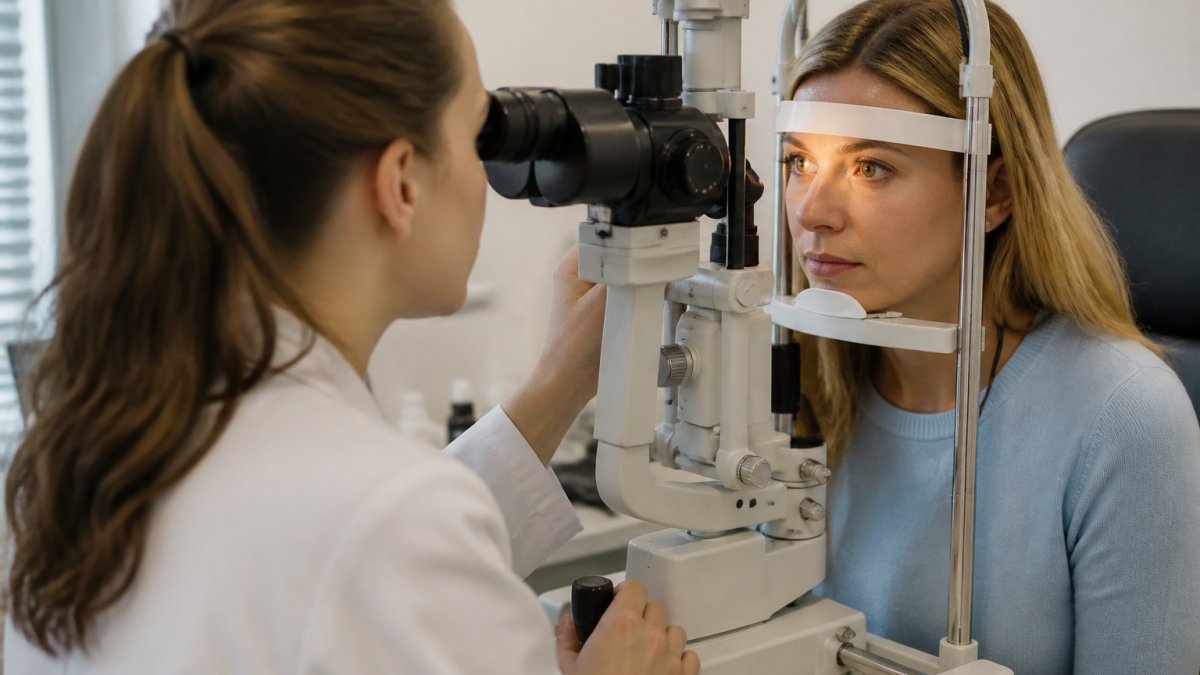
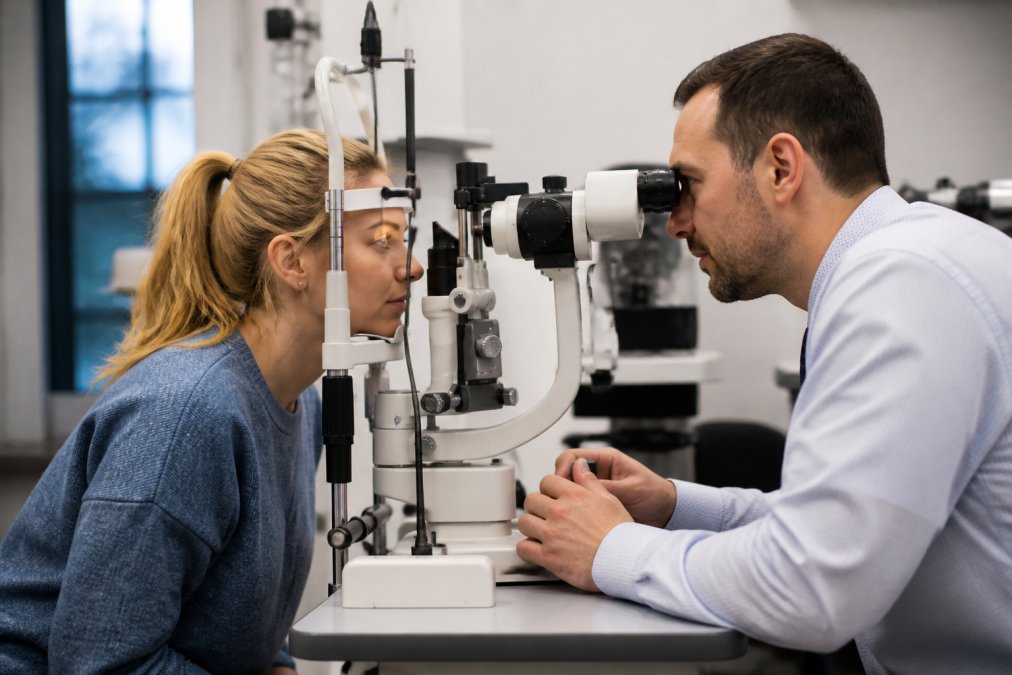
The actual evaluation involves examining your eye with specialized equipment. The provider will check your vision, eye pressure, and the structures of your eye under magnification. Depending on your symptoms, they may use dyes to highlight corneal damage, measure your eye pressure, or perform other tests. This examination takes 15-45 minutes depending on what's being evaluated.
After evaluation, treatment depends on the diagnosis. Some conditions are managed with eye drops and observation. Others require medication, removal of foreign material, or referral to a specialist.
Post-Emergency Care and Recovery Instructions
Once you've received emergency evaluation and initial treatment, recovery depends on your specific diagnosis.
For foreign body removal or corneal abrasion: Use prescribed antibiotic eye drops as directed, typically 4-6 times daily for 3-7 days. Avoid touching or rubbing your eye. Do not wear contact lenses until cleared by your provider. Protect your eye from bright light if that causes discomfort. Most small abrasions heal within 24-72 hours. Avoid swimming, hot tubs, and dusty environments until fully healed. Follow up with your eye care provider as directed, usually 24-48 hours after initial injury.
For eye infection: Continue prescribed antibiotic or antiviral drops for the full course, even if your eye feels better. Do not share eye drops, towels, or eye makeup with others. Wash your hands frequently, especially before touching your eye. Replace contact lenses and cases if you were wearing them when infection developed. Follow up with your provider to confirm the infection has cleared.
For chemical burn: Continue flushing your eye as directed by your provider. Use prescribed medications consistently. Avoid bright light and protect your eye from dust and irritation. Chemical burns can take weeks to months to heal fully. Follow-up appointments are essential to monitor healing and watch for complications.
For retinal detachment after treatment: Follow all post-operative instructions carefully if surgery was performed. This typically includes positioning restrictions, activity limitations, and frequent follow-up appointments. Recovery is gradual; vision improvement can take weeks to months. Avoid heavy lifting and strenuous exercise until cleared by your surgeon.
General post-emergency care principles:
- Use prescribed medications exactly as directed
- Attend all follow-up appointments
- Avoid activities that stress or irritate your eye
- Report any worsening symptoms immediately
- Be patient with healing; eye recovery takes time
Insurance Coverage and Payment Information
Insurance coverage for emergency eye care depends on your specific plan. Most health insurance plans cover emergency room visits and urgent care visits for acute conditions. Optometry visits may be covered differently; some plans require a copay, others cover the visit fully. Contact your insurance provider before your visit if possible.
Payment at the time of service varies by facility. Emergency rooms typically bill your insurance after the visit; you may owe a copay or coinsurance at the time of service. Urgent care centers often collect payment information upfront. Ask about payment options when you call or arrive.
Out-of-pocket costs depend on your insurance plan and the facility. An urgent care visit might cost $100-300 out of pocket. An emergency room visit can be significantly higher, potentially $500-1500 or more depending on what tests and treatments are performed.
If you're uninsured, ask the facility about their financial assistance programs. Many hospitals and urgent care centers offer sliding scale fees based on income or have programs for uninsured patients.
The cost of emergency eye care is real, but delaying care because of cost concerns can result in permanent vision loss. If cost is a barrier, discuss payment options openly with the provider.
Eye emergencies demand quick action, but knowing what qualifies as urgent and where to get help removes the guesswork. At Wilck Schwartz & Novak OD PC, we provide same-day emergency eye care with advanced optometric equipment and modern technologies for precise diagnosis and management of acute ocular conditions. We treat eye infections, allergies, corneal abrasions, and other urgent problems during business hours, and we're here to help guide you to appropriate emergency services after hours. When your vision is at stake, you deserve care from providers who understand the urgency. Schedule an appointment with Wilck Schwartz & Novak OD PC today for any eye concern that can't wait.
Frequently Asked Questions
What constitutes an eye care emergency that requires immediate attention?
An eye emergency typically involves sudden vision loss, severe eye pain, chemical or thermal burns, foreign objects embedded in the eye, eye trauma from injury, sudden onset of floaters and flashes of light, or signs of retinal detachment. Any condition causing vision-threatening symptoms or acute ocular trauma warrants immediate evaluation by an eye care professional. When in doubt, seek emergency eye care rather than wait, early intervention often prevents permanent vision loss.
What symptoms of eye emergency should prompt me to seek urgent care immediately?
Seek immediate emergency eye care for sudden blurred vision, severe eye pain, light sensitivity, red eye with discharge, sudden floaters or flashes of light, eye trauma or injury, chemical exposure, or any vision changes that occur suddenly. Additionally, if you experience eye pain accompanied by headache, nausea, or vision loss, these may indicate a serious ocular condition requiring urgent evaluation. Do not delay, contact an eye care provider or visit an emergency room if symptoms suggest a vision-threatening emergency.
Where can I find a 24 hour eye doctor in Brooklyn for same-day emergency appointments?
Many urgent care facilities and hospital emergency rooms in Brooklyn offer after-hours eye care. For faster service and specialized optometric expertise, contact local optometry practices that offer same-day emergency appointments. Wilck Schwartz & Novak OD PC provides emergency eye care services and can often accommodate urgent cases. Call ahead to confirm availability, ask about walk-in services, and clarify whether you need an optometrist or should proceed to an emergency room based on your symptoms' severity.
What should I do immediately if I have an eye injury before seeing a professional?
For foreign body or corneal abrasion: Rinse gently with clean water or saline solution. Do not rub the eye. For chemical burns: Flush immediately with lukewarm water for 15-20 minutes, then seek emergency care. For blunt trauma: Apply a cold compress without pressure. For eye pain or sudden vision loss: Avoid touching the eye and seek immediate professional evaluation. Keep the eye closed if light sensitivity is severe. Never attempt self-treatment for serious injuries, professional assessment is essential to prevent vision-threatening complications.
This article was written using GrandRanker