 listicle
Eye Care Alternatives to Vistasite: 2026 Guide
Table of Contents
- Why Patients Switch Eye Care Providers
- Local Optometry Practices as Vistasite Eye Care Alternatives
- Best Eye Care in NYC: Comparing Full-Service Providers
- Affordable Eye Exams Without Insurance
- Vision Insurance Plans and Coverage Options
- Online Glasses Retailers and Remote Vision Services
- How to Choose the Right Eye Care Alternative
- Conclusion
Eye Care Alternatives to Vistasite: 2026 Guide
Last Updated: August 2, 2026
When searching for a vistasite eye care alternative, you're weighing options that go beyond what a single platform offers. At Wilck Schwartz & Novak OD PC, we understand that patients need comprehensive eye care solutions tailored to their specific circumstances, whether that's emergency services, pediatric care, advanced diagnostic testing, or specialized contact lens fitting. This guide explores the full spectrum of eye care alternatives available to Brooklyn residents and beyond, helping you find the provider or combination of services that matches your vision health needs.
No single eye care model works for everyone. Some patients thrive with local optometry practices offering personalized attention. Others prefer the convenience of online prescription renewals. Still others need the specialized equipment and expertise found in full-service vision centers. Understanding your priorities, cost, convenience, specialized services, or comprehensive family care, is the first step toward finding the right vistasite eye care alternative for your situation.
Why Patients Switch Eye Care Providers
People don't abandon their eye care provider lightly. When they do, it's usually because a specific need isn't being met. The most common reasons patients seek a vistasite eye care alternative include limited emergency services, long wait times for appointments, inability to handle complex contact lens fittings, lack of pediatric expertise, or wanting a more personalized experience than larger chains provide.
Some patients switch because they need specialized services their current provider doesn't offer: LASIK consultations, management of ocular diseases like glaucoma, or treatment of chronic dry eye requiring more than over-the-counter drops. Others switch due to negative experiences: rushed appointments, difficulty reaching the office, or feeling their concerns weren't taken seriously.
Patients increasingly want providers who invest in advanced diagnostic technology, offer same-day or next-day appointments, explain findings clearly, and coordinate care across multiple family members' needs.
Local Optometry Practices as Vistasite Eye Care Alternatives
What Makes a Local Practice Different
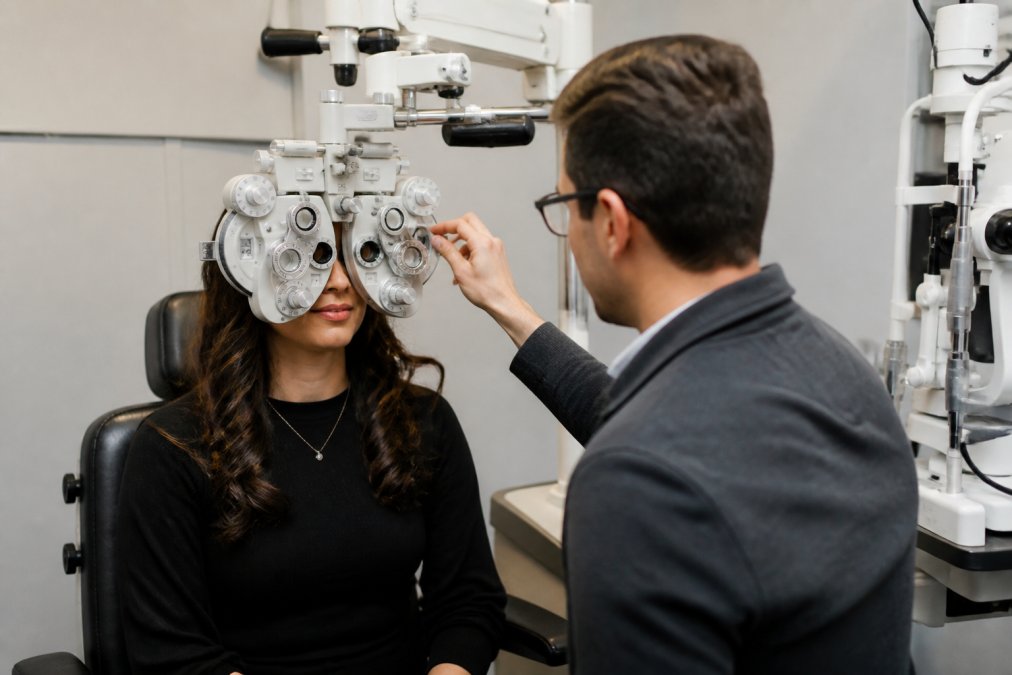
A locally-owned optometry practice operates on fundamentally different principles than larger chains or online-only services. You're likely to see the same doctor across multiple visits, and this continuity matters enormously for eye health. Your optometrist develops familiarity with your vision history, lifestyle demands, and personal preferences for correction.
Local practices like Wilck Schwartz & Novak OD PC, serving the Brooklyn area since 1964, combine personalized attention with advanced optometric equipment and modern technologies. They offer comprehensive eye exams that assess overall eye health, ensure children have visual resources for normal growth and development, and diagnose and manage ocular diseases with greater precision. The warm and inviting office environment, coupled with a commitment to early detection and precise treatment, ensures optimal long-term ocular health.
These practices handle the full spectrum of eye care needs under one roof: emergency services for eye infections and injuries, treatment for allergies and dry eye syndrome, contact lens fitting beyond standard prescriptions, and pediatric care recognizing children's eyes develop differently than adults' eyes.
Best Eye Care in NYC: Comparing Full-Service Providers
Comprehensive Services and Specializations
New York City residents have access to a range of full-service eye care providers, each with distinct strengths. When evaluating options, consider what services matter most to your household. A family with young children needs pediatric expertise. Someone managing glaucoma needs a provider with advanced diagnostic imaging. A contact lens wearer struggling with fit needs someone with specialized training in lens selection and fitting.
Full-service providers typically offer comprehensive eye exams using advanced diagnostic equipment, contact lens services ranging from standard prescriptions to specialty lenses, management of eye diseases including glaucoma and cataracts, pediatric eye care, and often LASIK consultations or referrals.
A comprehensive exam includes visual acuity testing, refraction, intraocular pressure measurement, optic nerve assessment, retinal examination, and often advanced imaging like optical coherence tomography (OCT) or visual field testing. These additional components detect early-stage eye diseases before they cause vision loss.
For contact lens wearers, specialization is critical. Optometrists with extensive contact lens fitting experience can troubleshoot fit problems, recommend specialty lenses for astigmatism or presbyopia, and manage complications like corneal abrasions or dry eye related to lens wear. This expertise prevents the frustrating cycle of repeated adjustments and poor vision correction.
Affordable Eye Exams Without Insurance
Budget-Friendly Exam Packages
Cost remains a significant barrier to eye care for many people. Some local optometry practices offer straightforward pricing for uninsured patients, often less expensive than chain retailers because they don't carry the overhead of national advertising or multiple locations.
America's Best Contacts & Eyeglasses built their business model around affordability, offering two pairs of glasses and an eye exam for $95, which includes single vision uncoated plastic lenses and frames from their selection. Their eye exams without a 2-pair purchase cost $80.
LensCrafters offers eye exams starting around $77-$150 depending on location and complexity, with comprehensive exams including advanced digital measurement technology for precise lens fitting.
Discount Programs and Membership Options
Several providers offer membership or discount programs that reduce costs across multiple visits. America's Best's Eyecare Club membership provides discounts on exams and contact lens services, making it worthwhile if you visit multiple times per year.
Some local practices offer package pricing for families or annual membership programs that bundle exams, discounts on frames and lenses, and prioritized appointment scheduling. For uninsured patients, checking whether you qualify for community health center services is worthwhile. Federally Qualified Health Centers (FQHCs) often provide eye exams on a sliding fee scale based on income.
| Provider Type | Typical Exam Cost | Additional Notes |
|---|---|---|
| Local optometry practice | $80-$150 | Varies; ask about uninsured pricing |
| America's Best | $80-$95 | Package deals available; membership discounts |
| LensCrafters | $77-$150 | Varies by location; designer frames cost more |
| Community health centers | Sliding scale | Income-based; serves uninsured patients |
Vision Insurance Plans and Coverage Options
How to Maximize Your Vision Benefits
Vision insurance operates differently from medical insurance. Most vision plans cover one comprehensive eye exam per year, with varying coverage for frames and contact lenses. Your benefits typically include an eye exam covered at 100%, a frame allowance (often $100-$150), and either a contact lens allowance or a lens coverage amount.
Timing your purchases strategically maximizes benefits. If your plan covers one exam and one pair of glasses annually, schedule your exam early in the year so you can use your frame allowance before it resets. If you wear contacts, understand whether your plan covers exams specifically for contact lens fitting separately from standard eye exams.
Using in-network providers is crucial. In-network optometrists mean your insurance negotiates the exam cost, and you pay only your copay or coinsurance. Out-of-network providers typically require you to pay full price upfront and submit claims for reimbursement.
Online Glasses Retailers and Remote Vision Services
When Online Options Make Sense
Online glasses retailers and remote vision testing services represent a genuine alternative for specific situations. If you have a current, stable prescription and simply need new frames at a lower price, online retailers offer compelling value. Warby Parker provides stylish frames starting at $95 including prescription lenses, with in-store eye exams available in many locations for $85.
Visibly offers FDA-cleared online vision testing for prescription renewal at $25, completing the test from home with a smartphone and computer display. This works well for people aged 18-65 with stable prescriptions who need a quick renewal. A board-certified doctor reviews results within 24 hours.
1-800 Contacts ExpressExam serves contact lens wearers specifically, offering online prescription renewal for $40 (contacts only) or $60 (contacts and glasses). A board-certified ophthalmologist reviews results within 24 hours.
These services excel at convenience and cost for straightforward renewals.
Limitations of Remote Vision Testing
Remote vision testing cannot replace a full eye exam. These services don't assess eye pressure (critical for glaucoma detection), examine the optic nerve, perform retinal imaging, or evaluate eye health holistically. They work only for people with existing prescriptions; if you've never had an exam or haven't been tested in years, you need an in-person comprehensive exam.
Remote testing cannot address complications. If you're experiencing eye pain, sudden vision changes, flashing lights, floaters, or any concerning symptoms, remote services won't help. For contact lens wearers, remote exams work only for prescription renewals. If your contacts don't fit properly or you want to try a different lens type, you need an in-person fitting with a specialist.
EyeCareLive offers telehealth consultations with optometrists and ophthalmologists via video, providing more comprehensive remote care than automated vision tests, though it still has limitations compared to in-person exams with advanced diagnostic equipment.
How to Choose the Right Eye Care Alternative
Matching Services to Your Specific Needs
Choosing among eye care alternatives starts with honest assessment of what you actually need. Are you seeking routine eye exams and glasses? You have many options. Do you manage a chronic eye condition like glaucoma or dry eye? You need a provider with diagnostic equipment and disease management expertise. Do you wear contact lenses and struggle with fit? You need someone with specialized contact lens experience.
For families, the ideal provider handles pediatric exams, adult exams, and any specialized needs within one practice. Children's eyes develop through age 8-9, and pediatric optometrists understand how to assess visual development, screen for conditions like amblyopia (lazy eye), and ensure proper visual correction for normal development.
Consider practical factors: appointment availability, office location, hours matching your schedule, whether they accept your insurance, and how they handle emergencies. An eye infection at 8 PM on a Saturday is a genuine emergency.
Red Flags When Evaluating Providers
If an office can't get you in for an appointment within 2-3 weeks for a routine exam, they're either understaffed or overbooked. If staff can't clearly explain your insurance coverage or what services cost, transparency is lacking.
Be cautious if a provider pushes unnecessary services aggressively or seems dismissive of your concerns. A good optometrist listens carefully, explains findings in understandable terms, and discusses options rather than dictating treatment.
For contact lens wearers, a red flag is a provider who doesn't troubleshoot fit problems or simply tells you to "get used to them." Proper contact lens fitting involves multiple adjustments and follow-up visits.
Check whether the practice uses current diagnostic technology. Advanced equipment like optical coherence tomography (OCT), visual field analyzers, and digital retinal imaging enables earlier disease detection and more precise diagnosis.
Conclusion
The landscape of eye care alternatives to Vistasite reflects genuine diversity in how vision care can be delivered. Whether you prioritize affordability, convenience, specialized expertise, emergency services, or comprehensive family care, legitimate options exist. Local optometry practices like Wilck Schwartz & Novak OD PC offer continuity, advanced diagnostic technology, and the ability to handle everything from pediatric exams to ocular disease management to emergency eye care, all in one trusted location. Their commitment to early detection and precise treatment ensures optimal long-term ocular health. Schedule an appointment with Wilck Schwartz & Novak OD PC and experience the difference personalized, comprehensive eye care makes for your family's vision health.
According to the American Optometric Association, comprehensive eye exams can detect systemic diseases like diabetes and hypertension before other symptoms appear, making regular vision care part of overall health maintenance. American Optometric Association guidelines on comprehensive eye exams When choosing a vistasite eye care alternative, prioritize providers who invest in the diagnostic technology and clinical expertise required for this level of care.
For patients seeking remote vision services, FDA guidance on digital eye exams and prescription renewals clarifies which services can safely replace in-person exams and which cannot. Understanding these distinctions helps you make informed decisions about when online options genuinely meet your needs and when you need professional in-person evaluation.
The best vistasite eye care alternative ultimately depends on your specific situation. Vision Council consumer research on eye care preferences and accessibility shows that patients increasingly value providers offering both advanced technology and personalized attention, a combination that local optometry practices excel at delivering while maintaining affordability through direct patient relationships.
Frequently Asked Questions
What should I look for when choosing an eye care alternative?
Evaluate providers based on the services you need most: comprehensive eye exams, contact lens fitting, emergency care, or disease management. Check whether they accept your vision insurance or offer affordable exam options without insurance. Look for advanced optometric equipment and technology. Read reviews from current patients about wait times, doctor attentiveness, and follow-up care. Consider location and appointment availability. Ask about their approach to early detection and how they handle complex cases like glaucoma screening or pediatric vision needs.
Are online vision tests a good alternative to in-person eye exams?
Online vision tests work well for prescription renewals when your vision is stable and you have no eye health concerns. Services like Visibly and 1-800 Contacts ExpressExam are convenient and affordable for this purpose. However, they cannot replace comprehensive eye exams that assess overall ocular health, screen for diseases like glaucoma, or detect early signs of conditions affecting vision. If you experience new symptoms, vision changes, or have risk factors for eye disease, an in-person exam with diagnostic testing is essential.
How do I know if an eye care provider has advanced optometric equipment?
Ask the practice directly what diagnostic technology they use. Modern optometry offices should have automated refraction equipment, digital retinal imaging, optical coherence tomography (OCT) for detailed eye structure analysis, and tonometry for glaucoma screening. When you visit, observe whether they use handheld devices or digital systems. A practice committed to early detection and precise diagnosis will explain their equipment and how it benefits your care. Don't hesitate to ask about specific technologies if you've read about them elsewhere.
What vision insurance plans should I look for when selecting an eye care provider?
Common vision insurance plans include VSP (Vision Service Plan) and EyeMed, which cover routine exams, frames, and contact lenses with varying copays and allowances. Some plans offer better coverage for specialized services like contact lens fitting or disease management. Before choosing a provider, verify they accept your specific plan and understand your coverage limits. Ask about out-of-network costs if your preferred provider doesn't participate. Many practices accept multiple plans, so confirm coverage details during your initial call rather than discovering surprises at checkout.
Can I find affordable eye exams without vision insurance in Brooklyn?
Yes. Many optometry practices offer package deals for uninsured patients, such as exam-plus-frames bundles at fixed prices. Some retailers like America's Best offer competitive pricing (their promotional packages bundle exams with eyewear). Community health centers sometimes provide sliding-scale fees based on income. Ask practices about membership programs, seasonal discounts, or cash-pay rates. Local optometrists may offer more flexibility on pricing than large chains. Don't assume you must pay full retail; call ahead and ask about affordability options before scheduling.
This article was written using GrandRanker