 listicle
Polarized Lenses for Outdoor Athletes: Benefits and Drawbacks
Table of Contents
- How Polarized Lenses Reduce Glare for Outdoor Athletes
- Enhanced Visual Clarity and Sharper Vision in Bright Sunlight
- UV Protection and Long-Term Eye Health Benefits
- Polarized vs. Non-Polarized Sunglasses: What Athletes Need to Know
- Downsides of Polarized Sunglasses for Specific Sports
- Polarized Lenses for Cycling: Performance Considerations
- UV Protection vs. Polarized Lenses: Understanding the Difference
- Choosing the Right Eyewear for Your Sport
- Frequently Asked Questions
Last Updated: October 16, 2026
How Polarized Lenses Reduce Glare for Outdoor Athletes
Polarized lenses reduce glare by filtering reflected light waves that bounce off surfaces like water, snow, and pavement. Polarized lenses contain a filter that blocks these horizontal waves, allowing only vertical light through. (Source: National Eye Institute's research on UV damage)

For polarized lenses outdoor athletes, this glare reduction translates to clearer vision and better performance.
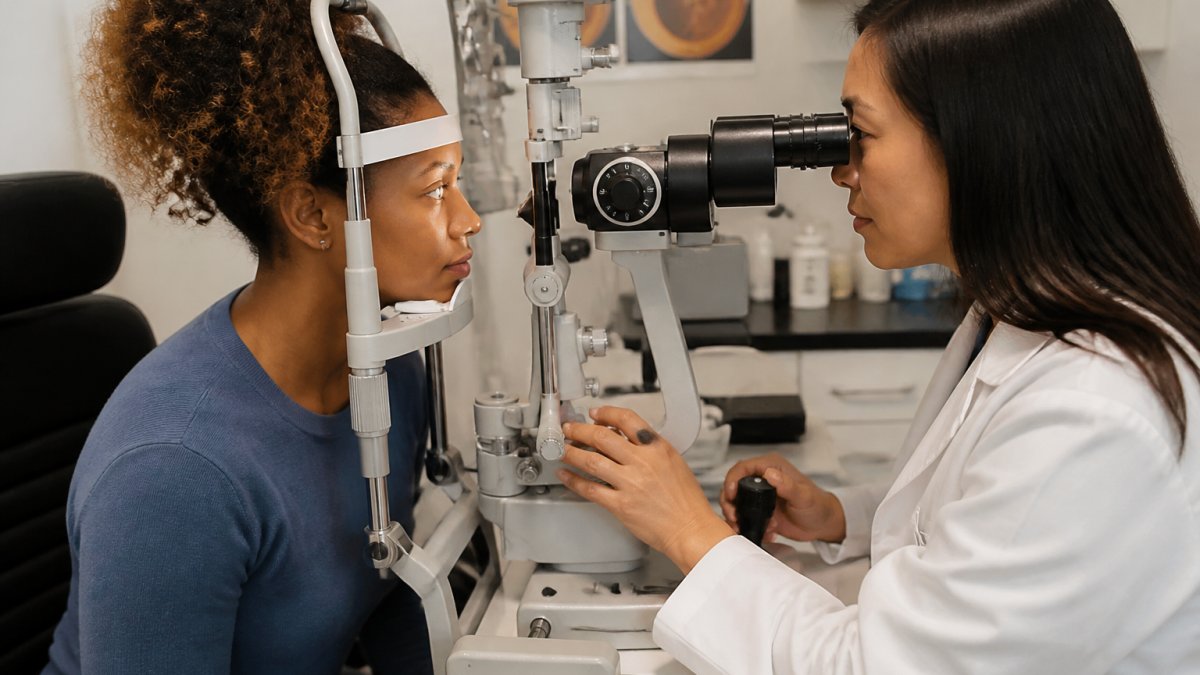
At Wilck Schwartz & Novak OD PC, we help athletes select eyewear that matches their specific sport and environment. During a comprehensive eye exam, we assess your visual needs and recommend lens options that will enhance your performance without compromising safety or clarity.
Enhanced Visual Clarity and Sharper Vision in Bright Sunlight
Bright sunlight washes out colors and reduces contrast, making details harder to see. Polarized lenses improve clarity by filtering the scattered light that causes this washed-out appearance, so your eyes receive a sharper image of your surroundings.
This enhanced clarity matters for sports where visual precision is critical. Cyclists need to see road hazards clearly. Runners must track uneven terrain. Golfers depend on seeing the ball and reading the green. Polarized lenses make all of these details pop by improving contrast perception.
The clarity gain isn't just about comfort; it directly affects performance. Seeing obstacles, terrain changes, and moving objects more clearly improves reaction time and confidence, and many athletes report the world simply looks sharper in polarized lenses.
UV Protection and Long-Term Eye Health Benefits
Ultraviolet rays from the sun can damage the eyes over time, increasing the risk of cataracts, macular degeneration, and other age-related eye conditions (New Research Sheds Light on How UV Rays May Contribute to Cataract).
Polarized lenses and UV protection are separate features, though many polarized sunglasses include both. It's important to verify that your polarized lenses block 100% of UVA and UVB rays.
Cumulative sun damage builds over years, and young athletes who train for hours in bright sunlight face higher risk of vision problems later in life.
Our team at Wilck Schwartz & Novak OD PC treats UV protection as a cornerstone of eye health.
Polarized vs. Non-Polarized Sunglasses: What Athletes Need to Know
The difference between polarized and non-polarized sunglasses comes down to what the lens does with light, not just how dark it is. A non-polarized lens reduces total light through tinting.
Here is the practical breakdown for athletes choosing between them:
| Feature | Polarized | Non-Polarized |
|---|---|---|
| Glare handling | Blocks horizontal reflected light; strongest on water, snow, and smooth pavement | Reduces overall brightness only; glare remains |
| Contrast and clarity | Often sharper because scattered light is removed | Standard; depends mostly on tint color |
| Screen and display interaction | Can dim, black out, or rainbow some LCD screens at certain angles | No polarization-related screen issues |
| Cost | Generally higher | Generally lower |
| Best use | Open water, snow, long road efforts, bright flat light | Low light, mixed conditions, ball sports, heavy device use |
The screen issue deserves its own explanation. Many bike computers, GPS watches, boat instrument panels, and vehicle dashboards use LCD technology that emits polarized light.
Polarization is not UV protection. These are separate features, and confusing them is one of the most common eyewear mistakes.
For athletes who rarely face water, snow, or flat reflective pavement, a good non-polarized lens with full UV protection and an appropriate tint can be the smarter, less expensive choice. Polarization is a tool for specific glare problems, not an automatic upgrade for every sport.
Downsides of Polarized Sunglasses for Specific Sports
Despite their benefits, polarized lenses have real limitations in certain contexts. Understanding these drawbacks helps you decide whether they're right for your sport.
Ball sports present a significant challenge. Polarized lenses can make it difficult to track a ball against a bright sky because the filter may create visual artifacts or reduce visibility of the ball's movement. Tennis, baseball, and golf players sometimes report difficulty with ball tracking in polarized lenses.
Water sports athletes may lose visibility on LCD displays on boats or equipment. The polarization filter can make these screens appear black or create strange patterns, making it impossible to read speed, depth, or navigation information.
Driving can also be problematic. Polarized lenses may interact with polarized windshields and LCD dashboards in modern vehicles, creating visual artifacts or hiding important information, and some drivers find them uncomfortable for extended periods.
Polarized Lenses for Cycling: Performance Considerations
Cycling is one of the sports where polarized lenses deliver the most consistent benefits.
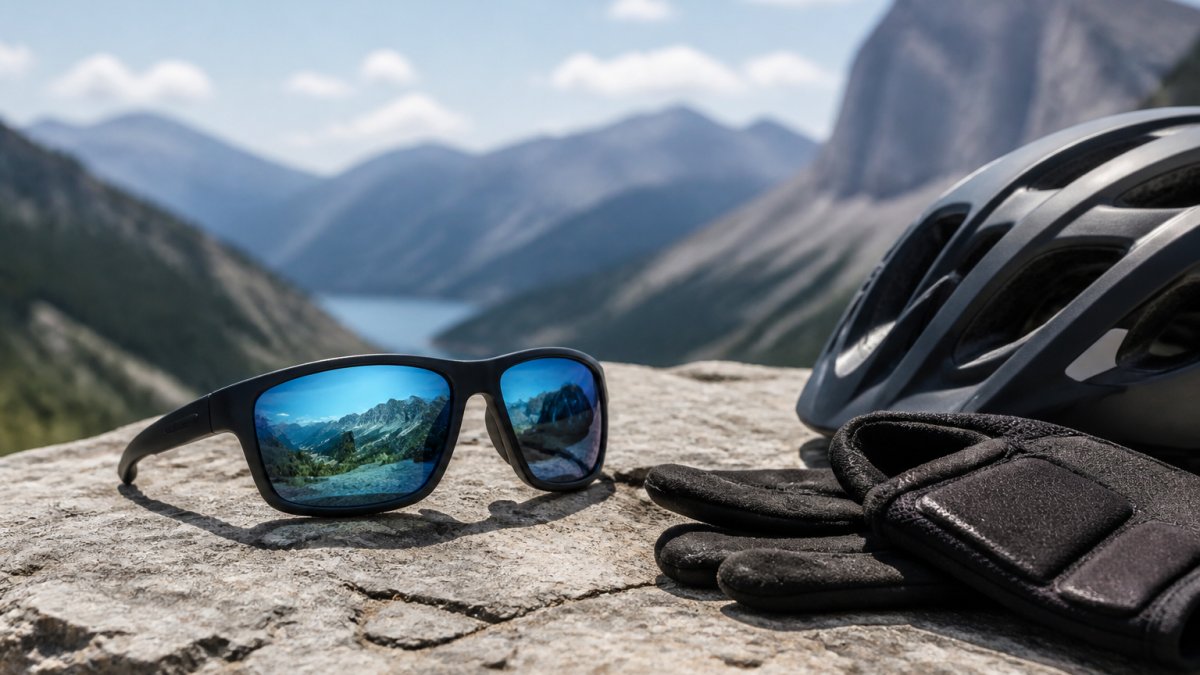
Mountain cyclists benefit from the improved contrast and clarity. Seeing roots, rocks, and terrain changes more clearly directly impacts safety and performance on technical trails, and reduced eye strain during hours of focus improves endurance and reduces fatigue.
The main consideration for cyclists is dashboard visibility if you're using a bike computer or GPS device with an LCD screen. Some cyclists report that polarized lenses make these displays harder to read.
Wilck Schwartz & Novak OD PC can help you find polarized lenses optimized for cycling. During your consultation, we discuss your cycling environment and equipment to ensure your eyewear enhances rather than hinders performance.
UV Protection vs. Polarized Lenses: Understanding the Difference
UV protection and polarization are two separate lens features serving different purposes. Understanding the distinction helps you choose lenses that meet your actual needs.
UV protection blocks ultraviolet rays that can damage your eyes, essential for long-term health and protection against conditions like cataracts and macular degeneration. All quality sunglasses should include 100% UVA and UVB protection regardless of polarization.
Polarization filters reflected light to reduce glare, improving comfort and clarity in bright conditions, but it provides no UV protection by itself.
The ideal solution for polarized lenses outdoor athletes is a lens combining both features: full UV protection plus polarization. This gives you the long-term health benefits of UV blocking and the immediate performance benefits of glare reduction.
Choosing the Right Eyewear for Your Sport
Most eyewear advice treats outdoor sports as one category. They are not. Polarization helps some athletes enormously, is neutral for others, and can actively hurt performance in a few. The table below gives the sport-by-sport view general benefits articles usually skip.
| Sport | Polarization benefit | Main trade-off | Practical guidance |
|---|---|---|---|
| Open-water and flat-water fishing, kayaking, paddleboarding | High; cuts surface glare and helps you see below the waterline | Screen glare on fish finders and boat instruments | Polarized with a copper or amber tint for contrast; test your sonar display |
| Skiing and snowboarding | High in bright, flat light; improves terrain contrast | Can mask ice patches and reduce definition in flat light | Pair with a contrast-enhancing tint; carry a lighter lens for storms and low light |
| Road and gravel cycling | Moderate to high on wet or sun-baked pavement | Bike computer and phone screens can dim or black out | Test your head unit; consider a lighter VLT lens for mixed light |
| Trail running | Moderate; helps on snow, water crossings, and bright rock | Rapid light changes in forest canopy | Lighter tint with polarization, or a photochromic lens |
| Golf, tennis, baseball, and other ball sports | Low to moderate; can help with glare but may hurt ball tracking | Reduced ability to read a ball against sky or turf | Many players prefer non-polarized or lightly tinted lenses for depth and tracking |
| Driving to and from events | Moderate; cuts road and hood glare | Some windshields and dashboards interact with polarized light | Test in your own vehicle; keep a non-polarized pair as backup |
When polarization is the wrong call. In low light, dawn and dusk sessions, heavy overcast, and fast-changing mountain weather, a polarized lens can flatten contrast just when you need it most. On ice, it can reduce the visual cues that reveal slick patches, and in ball sports the filter can interfere with tracking a ball against a bright sky.
Polarization is only one variable. A complete eyewear decision also covers:
- UV rating: confirm 100% UVA and UVB blocking, consistent with UV400 labeling, independent of polarization.
- Tint and VLT: darker lenses for bright alpine and water days, lighter lenses for woods, clouds, and mixed light. Contrast tints in copper, amber, or rose help in flat light; gray tints preserve color accuracy.
- Lens material and impact resistance: polycarbonate is the common choice for active sports because it is lightweight and impact resistant; confirm the eyewear meets a recognized impact standard for your activity.
- Fit and retention: a secure, close-fitting frame with grippy nose and temple pads keeps lenses in place and blocks wind and debris. Helmet compatibility matters for cycling and snow sports.
- Coatings and care: anti-reflective and hydrophobic coatings help in rain and spray; clean with a microfiber cloth and lens spray, avoid hot car storage, and replace lenses that are scratched or delaminating.
A common pattern among athletes who get this right is a two-lens kit: a darker polarized lens for bright water, snow, and open road, and a lighter or non-polarized lens for low light, woods, and ball sports. That captures the glare benefits without inheriting the trade-offs on the days they matter.
Frequently Asked Questions
Is there a downside to polarized lenses?
Yes. Polarized lenses can interfere with LCD screens on dashboards, phones, and sports watches, making them harder to read. They may also reduce depth perception in certain situations and can create visual distortion when viewing reflective surfaces at certain angles. Some athletes report difficulty tracking fast-moving objects. For these reasons, polarized lenses aren't ideal for all sports or all conditions, and individual tolerance varies.
Do eye doctors recommend polarized sunglasses for outdoor athletes?
Eye care professionals generally recommend polarized lenses for outdoor athletes who spend extended time in bright sunlight, particularly those involved in water sports, golf, or fishing. However, the recommendation depends on your specific sport and conditions. Athletes in ball sports or those who rely on equipment displays should discuss alternatives with their eye doctor. A comprehensive eye exam can help determine whether polarized lenses suit your activities and visual needs.
Are polarized lenses good for running and cycling?
Polarized lenses offer benefits for both sports by reducing glare from pavement and improving contrast. For running, they enhance visual comfort during long outdoor sessions. For cycling, they reduce road glare and improve visibility of terrain. However, cyclists should note that polarized lenses can create visibility issues with LCD bike computers and traffic signals. Testing them during training before relying on them for events is advisable, or consulting an eye care professional about sport-specific lens options.
Can polarized lenses protect your eyes from UV rays?
Polarized lenses and UV protection are separate features. Polarization blocks reflected glare; UV protection blocks ultraviolet radiation that damages the eye. Quality polarized sunglasses typically include UV protection, but you must verify this when purchasing. Look for lenses labeled 'UV400' or '100% UV protection', these block both UVA and UVB rays. Without UV protection, your eyes remain at risk for cataracts and macular degeneration even if glare is reduced. Always confirm both features are present in your eyewear.
Choosing eyewear as an outdoor athlete involves balancing immediate performance benefits against potential drawbacks in your specific sport. Polarized lenses reduce glare and enhance clarity for many athletes, but they're not universally ideal. The right choice depends on your sport, your environment, and your equipment. Schedule a consultation with Wilck Schwartz & Novak OD PC to discuss your athletic eyewear needs and find the solution that works best for your training and competition.