 listicle
Meibomian Gland Dysfunction Surgery Options
Table of Contents
- Understanding Meibomian Gland Dysfunction
- Non-Surgical vs. Surgical Treatment Approaches
- In-Office Meibomian Gland Expression and Manual Techniques
- Thermal Pulsation: LipiFlow and Similar Devices
- Intense Pulsed Light Therapy for Dry Eye and MGD
- Advanced Surgical Options: Meibomian Gland Probing and Radio Frequency
- Supporting Treatments and Long-Term Management
- Choosing the Right Treatment for Your Situation
- Frequently Asked Questions
Last Updated: October 2, 2026
Understanding Meibomian Gland Dysfunction
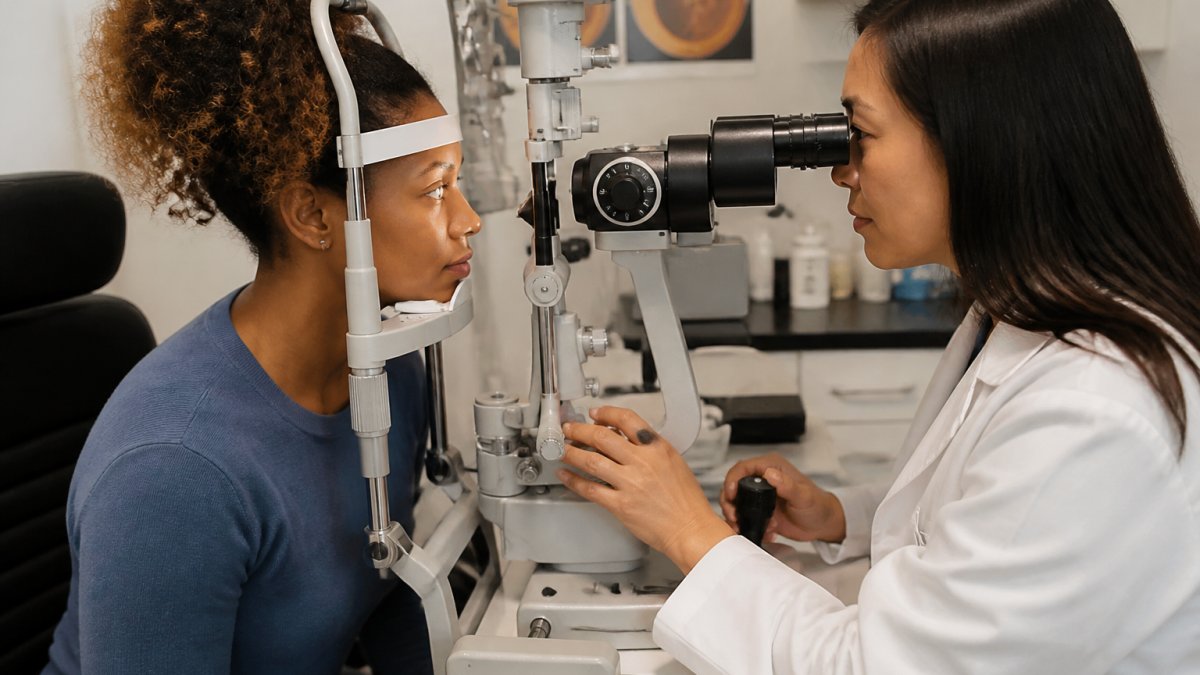
Meibomian gland dysfunction (MGD) occurs when the oil-producing glands along your eyelid margins become blocked or fail to secrete properly, and when conservative treatments fail, meibomian gland dysfunction surgery may be necessary. This disrupts the tear film's lipid layer, leading to rapid tear evaporation and the dry eye symptoms that affect millions of people. At Wilck Schwartz & Novak OD PC, we diagnose and manage MGD using advanced optometric equipment to assess ocular surface disease and recommend the right treatment path for each patient.
MGD ranges from mild (minor irritation after screen time) to severe (significant discomfort, redness, and vision problems). Understanding your severity level determines the appropriate treatment.
MGD is a chronic condition requiring ongoing management. Untreated glands atrophy, worsening outcomes. Early intervention preserves gland tissue and prevents progressive loss.
Non-Surgical vs. Surgical Treatment Approaches
Treatment divides into non-invasive therapies (addressing obstruction and inflammation without anesthesia) and surgical interventions (for failed conservative treatment or severe cases).
Non-surgical treatments use heat, light, or mechanical pressure to liquefy meibum. Options include thermal pulsation, intense pulsed light therapy, and in-office expression. Advantages: minimal downtime and repeatability. Limitation: variable results.
Surgical approaches like meibomian gland probing and radio frequency directly address blockages and gland damage, offering faster relief for recalcitrant cases. Choice depends on disease severity, duration, and prior treatment response.
In-Office Meibomian Gland Expression and Manual Techniques
In-office meibomian gland expression uses gentle pressure to manually express blocked meibum, restoring oil flow and providing immediate relief for many patients.
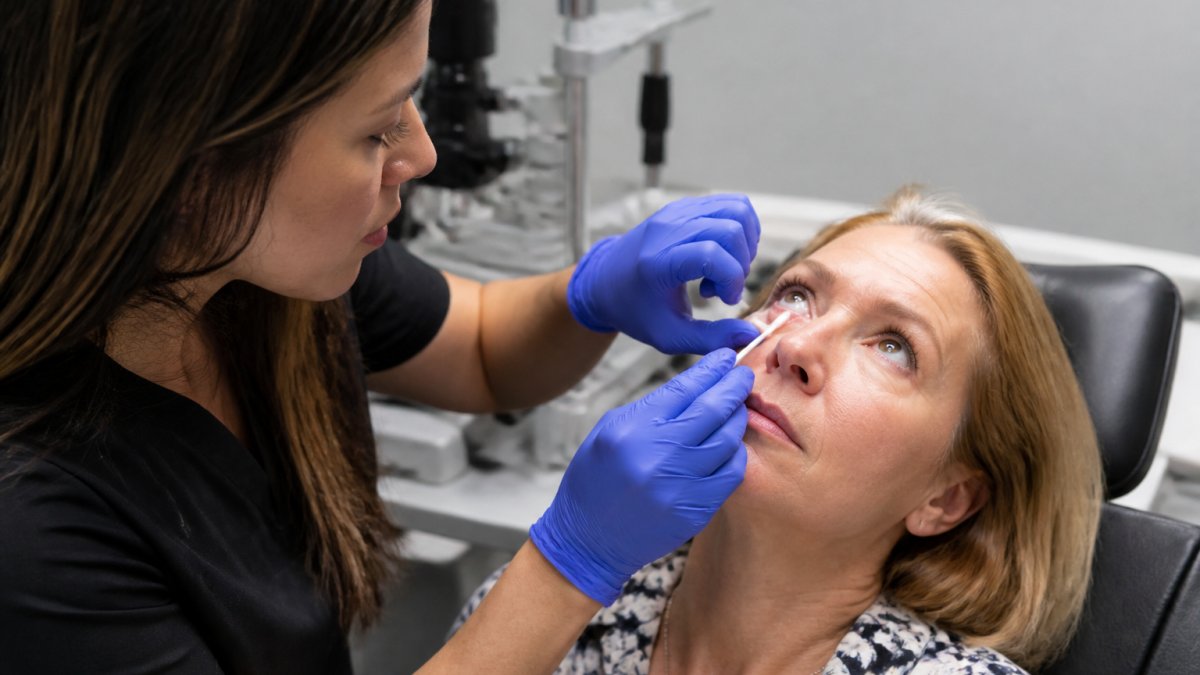
Manual expression works best for partial blockages with retained gland function, takes 10-15 minutes per eye, and shows improvement within days. Benefits last 4-8 weeks, requiring repeat visits.
TearCare combines manual expression with controlled heat, softening meibum for easier, more effective clearing. Results last 2-3 months, longer than manual expression alone.
Thermal Pulsation: LipiFlow and Similar Devices
Thermal pulsation automates heat-and-express, delivering consistent results.
LipiFlow lasts 12 minutes, heating the inner eyelid to 43°C while cooling the outer lid, then expressing glands via synchronized pulses.
Thermal pulsation targets the root cause, gland obstruction, by liquefying meibum and clearing ducts, restoring lipid layer stability and reducing tear evaporation.
Cost and Insurance Considerations
Thermal pulsation costs $700-$1,500 per session. Most insurance plans classify it as elective and do not cover it.
Contact your insurance provider to confirm coverage. Some practices offer payment plans or bundled pricing for multiple sessions (2-3 recommended), reducing per-session cost.
Cost-Benefit Analysis
For moderate-to-severe evaporative dry eye, thermal pulsation often reduces tear dependency significantly.
Intense Pulsed Light Therapy for Dry Eye and MGD
Intense pulsed light (IPL) therapy reduces eyelid inflammation and improves gland secretion. Unlike thermal pulsation, which mechanically clears ducts, IPL addresses the inflammatory cascade underlying MGD.
IPL delivers calibrated light pulses to reduce blood vessel dilation, bacterial load, and inflammatory mediators, improving tear film stability and gland output.
A typical IPL protocol involves 4-6 sessions spaced 2-4 weeks apart, 15-20 minutes each. Results build gradually as inflammation subsides, with sustained improvement for 6-12 months and annual maintenance needed.
IPL addresses inflammation, not just obstruction, and succeeds where heat-based treatments alone fall short. Disadvantage: multiple visits required and doesn't directly clear blockages.
Advanced Surgical Options: Meibomian Gland Probing and Radio Frequency
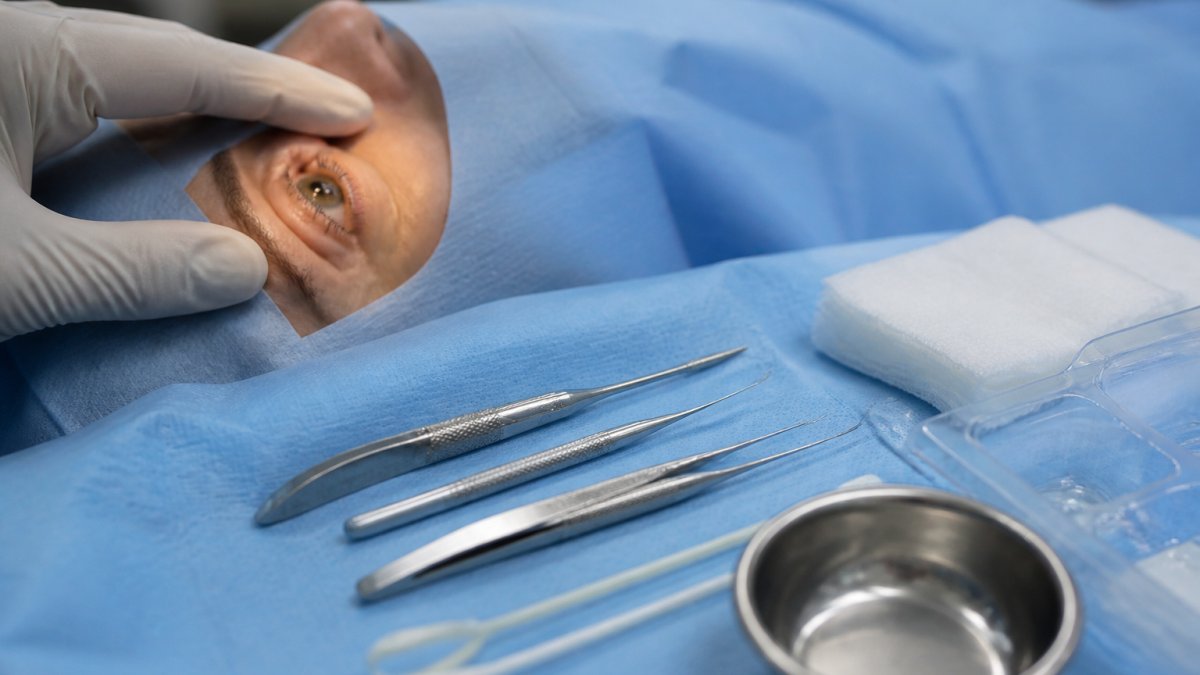
When non-surgical approaches fail, meibomian gland probing inserts a fine probe into blocked ducts under local anesthesia to mechanically clear obstructions and restore patency.
Gland probing is performed in-office with topical numbing drops, advancing the probe through ducts to clear debris and scar tissue.
Results are often immediate and lasting, with significant relief within days.
Radio frequency (RF) therapy delivers RF energy to deep eyelid tissues, liquefying meibum and stimulating secretion.
RF therapy is non-invasive, typically requiring 3-4 sessions. It works well for advanced gland loss with residual tissue, with results developing over weeks as glands reactivate.
Supporting Treatments and Long-Term Management
MGD is chronic and requires ongoing management after treatment.
Daily Maintenance Protocol
The foundation of long-term MGD management is a consistent daily routine:
- Warm compress application: Apply warm compress (40-45°C) to closed eyelids for 10-15 minutes each morning to soften meibum and facilitate drainage. Skipping this step increases symptom recurrence within 3-6 months.
- Eyelid cleansing: Perform gentle scrubs 2-3 times weekly using hypochlorous acid cleanser or dilute baby shampoo to remove biofilm and prevent clogging.
- Artificial tear supplementation: Use preservative-free artificial tears 2-4 times daily as needed. Avoid decongestant drops. Patients on thermal pulsation or IPL typically reduce tear dependency by 40-60% within 3 months.
Periodic Professional Maintenance
After initial treatment, patients require scheduled follow-up visits:
- Mild MGD: In-office expression or brief thermal therapy every 4-6 weeks for 3 months, then every 8-12 weeks if stable.
- Moderate MGD: Maintenance session every 6-12 months; most require annual maintenance to sustain results.
- Severe MGD: Clinical assessment every 3 months for the first year, then every 6-12 months. RF therapy may need a booster session 12-18 months after initial treatment if function declines.
Adjunctive Oral and Topical Therapies
Oral azithromycin (250 mg once daily for 5 days) reduces eyelid inflammation and improves meibum quality, with benefits persisting 2-3 months.
Punctal plugs block tear drainage, keeping natural tears on the ocular surface longer and reducing tear dependency.
Omega-3 supplementation (1,000-2,000 mg daily) may improve tear film lipid composition and reduce inflammation. Benefits typically emerge after 8-12 weeks of consistent daily use.
Monitoring for Gland Atrophy
The critical long-term goal is preventing gland atrophy.
Realistic Maintenance Timeline
Expected progression: Months 1-3, frequent visits (every 4-8 weeks) for expression or thermal therapy. Months 3-12, less frequent maintenance (every 8-12 weeks).
Patients who maintain this protocol experience sustained improvement and prevent the progressive gland loss that characterizes untreated or under-managed MGD.
Choosing the Right Treatment for Your Situation
Mild MGD with recent onset: Start with daily warm compresses, lid hygiene, and manual in-office expression.
Moderate MGD with partial gland obstruction: Thermal pulsation (LipiFlow) or IPL therapy. These address obstruction and inflammation without surgery.
Severe MGD with gland atrophy or failed conservative treatment: Meibomian gland probing or radio frequency therapy.
At Wilck Schwartz & Novak OD PC, we use advanced optometric equipment to assess your specific gland condition.
The key insight most patients miss: earlier intervention prevents worse outcomes. Untreated MGD causes progressive gland loss.
Meibomian gland dysfunction requires a treatment plan tailored to your gland condition and disease severity.
| Treatment | Invasiveness | Duration of Relief | Best For |
|---|---|---|---|
| Manual Expression | Non-invasive | 4-8 weeks | Mild blockage, frequent visits acceptable |
| Thermal Pulsation (LipiFlow) | Non-invasive | 9-24 months | Moderate-severe obstruction, evaporative dry eye |
| Intense Pulsed Light | Non-invasive | 6-12 months | Inflammation-driven MGD, ocular rosacea |
| Radio Frequency Therapy | Non-invasive | 6-12 months | Gland atrophy, advanced dysfunction |
| Meibomian Gland Probing | Surgical | 12+ months | Severe blockage, failed conservative treatment |
According to the American Academy of Ophthalmology's dry eye guidelines, meibomian gland dysfunction represents the leading cause of evaporative dry eye and requires early intervention to prevent gland atrophy. Research from the Ocular Surface Disease Index clinical assessment framework shows that patients who combine thermal therapy with daily lid hygiene maintain gland function significantly longer than those relying on artificial tears alone. The clinical evidence on meibomian gland expression outcomes demonstrates that in-office gland expression provides measurable improvement within 48 hours for most patients with partial obstruction.
Frequently Asked Questions
What is meibomian gland dysfunction and how does it cause dry eye?
Meibomian gland dysfunction (MGD) occurs when the oil-producing glands along your eyelids become blocked or inflamed, reducing the lipid layer of your tear film. This causes tears to evaporate too quickly, leading to dry eye syndrome. The meibomian glands produce meibum, an essential component that stabilizes tears and prevents rapid evaporation. When these glands malfunction, your eyes lack the protective oil layer they need, resulting in discomfort, redness, and vision problems.
How do intense pulsed light therapy for dry eye treatments work differently from thermal pulsation?
Intense pulsed light (IPL) therapy targets inflammation and vascular issues contributing to MGD, using light energy to reduce redness and improve gland function. Thermal pulsation devices like LipiFlow apply controlled heat and pressure directly to liquify and express blocked gland secretions. IPL addresses the inflammatory root cause, while thermal pulsation mechanically clears blockages. IPL typically requires multiple sessions, while thermal pulsation may provide relief lasting 9 to 24 months per treatment.
Is meibomian gland dysfunction surgery permanent, and what is recovery like?
Most MGD treatments provide significant relief but not permanent cures, as the condition is chronic and requires ongoing management. Surgical options like meibomian gland probing address severe blockages directly but may need to be repeated. Recovery varies: non-invasive thermal and light therapies have minimal downtime, while gland probing requires a few days of mild discomfort. Long-term success depends on maintenance protocols including daily lid hygiene, warm compresses, and periodic professional treatments.
What should I expect during in-office meibomian gland expression?
During in-office expression, your eye care professional applies warm compresses or uses specialized devices to gently heat and soften blocked meibum, then carefully expresses the glands to clear obstructions. The procedure is minimally invasive and typically takes 15-30 minutes. You may experience mild pressure or slight discomfort, but anesthesia is usually not needed. Most patients can return to normal activities immediately, though your eyes may feel slightly tender for a few hours.