 listicle
Foods to Avoid With Meibomian Gland Dysfunction
Table of Contents
- Understanding Meibomian Gland Dysfunction and Diet
- Foods That Cause Eye Inflammation You Should Eliminate
- Why Omega-3 Fatty Acids for MGD Matter
- Building an Anti-Inflammatory Diet for Dry Eyes
- Practical Steps to Transition Away From Inflammatory Foods
- When to Seek Professional Guidance
- Frequently Asked Questions
Last Updated: October 1, 2026
Understanding Meibomian Gland Dysfunction and Diet
Meibomian gland dysfunction (MGD) affects millions of people, causing dry eye, irritation, and blurred vision. The foods you eat directly influence tear film stability: systemic inflammation cascades to your ocular surface, where meibomian glands struggle to produce the lipid layer your tears need.
Your meibomian glands depend on healthy blood flow, stable hormones, and low systemic inflammation to function properly.
This guide identifies specific foods to avoid with meibomian gland dysfunction, explains why they matter, and shows you how to build a diet that supports tear production and gland health.
Foods That Cause Eye Inflammation You Should Eliminate
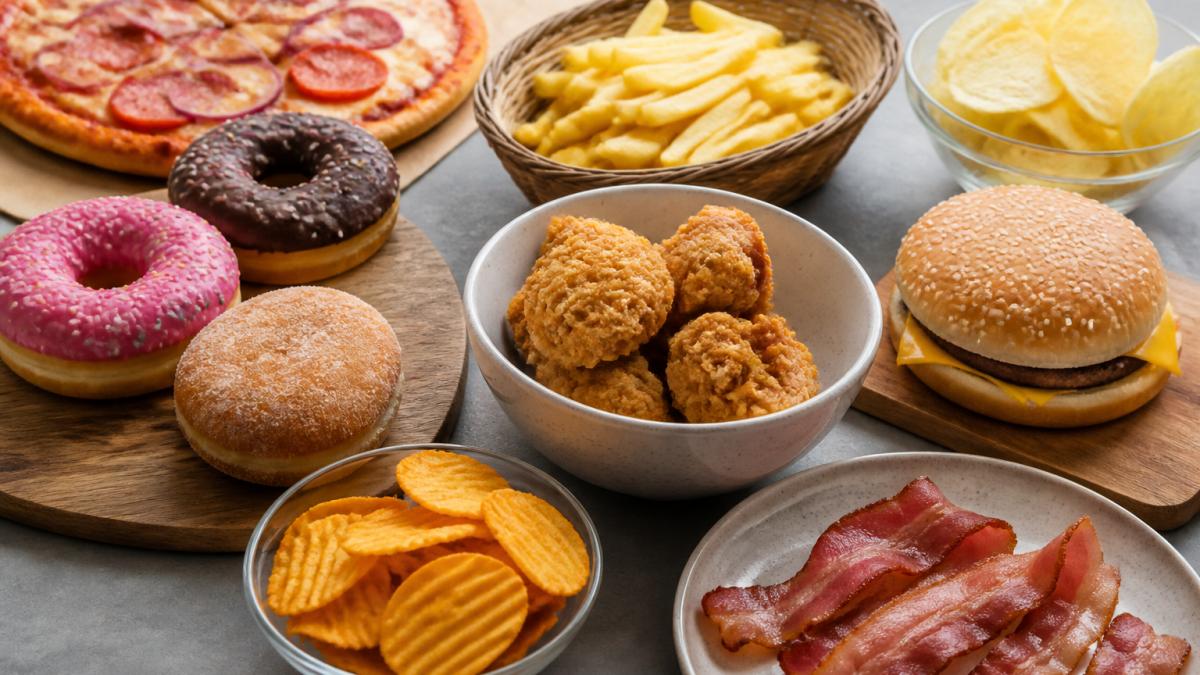
The foods most damaging to meibomian gland function fall into three categories. Each one drives systemic inflammation, impairs tear film stability, or damages the lipid layer your eyes depend on.
Processed Meats and Trans Fats
Processed meats contain high levels of advanced glycation end products (AGEs) and pro-inflammatory compounds that trigger oxidative stress in your tear glands. Trans fats in margarines, baked goods, and fried foods actively damage cell membranes and promote chronic inflammation.
The damage is systemic. When you eat processed meats regularly, your body mounts an inflammatory response that reaches your meibomian glands. Over time, this chronic inflammation thickens the meibum (the oil your glands produce), making it harder for glands to express and leading to blocked oil gland ducts. Wild-caught fish like sardines, such as Wild Planet's sustainably sourced options, offer a direct antidote: high levels of anti-inflammatory omega-3 fatty acids without the AGEs.
Refined Carbohydrates and Sugary Foods
Refined carbohydrates and sugary drinks trigger rapid blood sugar spikes that activate inflammatory pathways and promote systemic inflammation. Your meibomian glands are sensitive to this cascade.
High sugar intake damages blood vessels feeding your lacrimal glands, reducing the aqueous component of your tears and leaving a thinner tear film that breaks apart faster.
Refined carbohydrates spike glycemic load in ways whole grains don't, creating dramatic differences in meibomian gland function.
Vegetable Oils High in Omega-6
Corn oil, soybean oil, sunflower oil, and safflower oil are loaded with omega-6 polyunsaturated fats that convert to pro-inflammatory compounds. The problem isn't omega-6 itself, but the ratio.
Modern diets contain 15-20 times more omega-6 than omega-3 (ideal: 2:1 or 3:1), driving systemic inflammation that reduces meibum quality. High omega-6 oils oxidize during cooking, creating lipid peroxides that damage tear gland cell membranes.
Replace vegetable oils with alternatives like Bragg's cold-pressed extra virgin olive oil, which is rich in anti-inflammatory polyphenols. Olive oil won't fix the problem alone, but it stops the damage and supports tear film stability.
Why Omega-3 Fatty Acids for MGD Matter
Omega-3 fatty acids (EPA and DHA) are the most important nutrient for meibomian gland health: they reduce systemic inflammation, improve blood flow to tear glands, and make the lipid layer more fluid and stable.
EPA and DHA are incorporated into meibomian gland cell membranes and reduce pro-inflammatory molecules like IL-6 and TNF-alpha. Studies show omega-3 supplementation improves tear break-up time and symptom relief.
Aim for 2-3 grams of combined EPA and DHA daily, either through fatty fish (wild salmon, sardines, mackerel) or supplements like Nordic Naturals Ultimate Omega, which provides 1280 mg per serving. If you're vegetarian or vegan, algae-based omega-3 supplements work, though absorption is lower than fish-based sources.
Building an Anti-Inflammatory Diet for Dry Eyes
An anti-inflammatory diet for dry eyes centers on whole foods that reduce systemic inflammation. The Mediterranean diet pattern is the gold standard, emphasizing healthy fats, antioxidants, and nutrients that support ocular surface health.
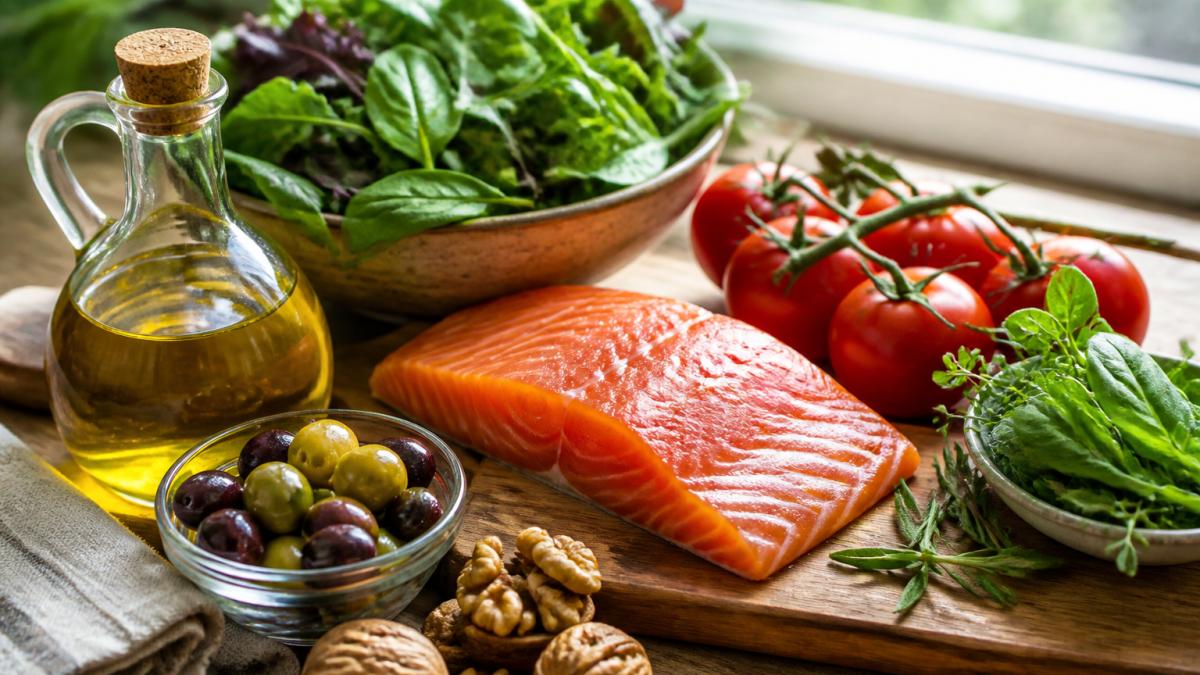
Focus on these foods:
- Fatty fish: Wild salmon, sardines, mackerel, herring, aim for 2-3 servings per week
- Leafy greens: Spinach, kale, collards, high in lutein and zeaxanthin, which protect the cornea
- Nuts and seeds: Walnuts, flaxseeds, chia seeds, additional omega-3 sources
- Berries: Blueberries, strawberries, raspberries, packed with antioxidants that reduce oxidative stress
- Colorful vegetables: Bell peppers, carrots, sweet potatoes, sources of vitamin A and antioxidants
- Olive oil: Extra virgin, cold-pressed, anti-inflammatory polyphenols
- Green tea: Traditional Medicinals organic green tea contains catechins that combat oxidative stress
- Legumes: Lentils, chickpeas, beans, fiber and plant-based protein without inflammatory seed oils
Practical Steps to Transition Away From Inflammatory Foods
Cutting out inflammatory foods works best with a concrete plan. Replace one category at a time to avoid cravings and failure.
The gut-eye axis connection: Your intestinal microbiome produces butyrate when it ferments soluble fiber from whole grains, legumes, and vegetables. Butyrate strengthens your intestinal barrier and suppresses pro-inflammatory T cells. Processed foods high in seed oils and refined carbs starve beneficial bacteria and feed pathogenic species, shifting your microbiome toward a pro-inflammatory state that cascades to your tear glands. A fiber-rich, whole-food diet feeds butyrate-producing bacteria that strengthen your gut barrier and reduce systemic inflammation reaching your eyes.
Week 1-2: Replace vegetable oils and add fiber Swap cooking oil to extra virgin olive oil or avocado oil. Check packaged foods for "soybean oil," "corn oil," or "canola oil" and choose alternatives. Add one serving of soluble fiber daily: steel-cut oats with ground flaxseed, lentil soup, or chia seed smoothie. Example breakfast: steel-cut oats (½ cup) with 1 tablespoon ground flaxseed, blueberries, and almond milk.
Week 3-4: Reduce refined carbohydrates Replace white bread with 100% whole wheat, pasta with legume-based pasta, and sugary snacks with nuts, seeds, or fruit. Example snack: handful of walnuts and an apple instead of a granola bar. Example dinner: grilled salmon with quinoa and roasted Brussels sprouts with olive oil.
Week 5-6: Eliminate processed meats Replace deli meats with grilled chicken, fish, or plant-based proteins. Processed meats contain sodium nitrite, a preservative that alters microbiome composition and increases intestinal permeability. Example lunch: Mediterranean chickpea salad with cucumber, tomato, red onion, Kalamata olives, feta, and olive oil vinaigrette.
Week 7+: Add omega-3 sources and fermented foods Add fatty fish 2-3 times per week (wild salmon, sardines, mackerel, herring) and fermented foods (Greek yogurt, sauerkraut, kimchi, miso) that support your gut barrier and reduce systemic inflammation. If symptoms persist by week 8, consider an omega-3 supplement like Nordic Naturals Ultimate Omega (1,280 mg EPA+DHA per serving).
Sample day of eating for MGD support:
Breakfast: Steel-cut oats (½ cup dry) with 1 tablespoon ground flaxseed, ½ cup blueberries, 1 tablespoon almond butter, and unsweetened almond milk. (Provides: soluble fiber for butyrate production, omega-3s, antioxidants)
Mid-morning snack: Handful of walnuts (about 14 halves) and one medium apple. (Provides: omega-3s, fiber, polyphenols)
Lunch: Mediterranean chickpea salad: 1 cup cooked chickpeas, diced cucumber, cherry tomatoes, red onion, ¼ cup Kalamata olives, 2 tablespoons crumbled feta, 2 tablespoons extra virgin olive oil, 1 tablespoon lemon juice, salt and pepper. Serve with whole grain pita. (Provides: plant-based protein, fiber, polyphenols, healthy fat)
Afternoon snack: Plain Greek yogurt (if dairy-tolerant) with ¼ cup mixed berries and 1 tablespoon raw almonds. (Provides: probiotics, protein, antioxidants)
Dinner: Baked wild-caught salmon (4 oz) seasoned with lemon and herbs, roasted sweet potato (1 medium), steamed broccoli (1.5 cups) drizzled with olive oil, side of sauerkraut (2 tablespoons). (Provides: EPA/DHA, vitamin A, fiber, probiotics, polyphenols)
MGD-friendly shopping list:
Fruits: Blueberries, strawberries, raspberries, blackberries, apples, oranges, lemons
Track your progress in this table:
| Week | Primary Change | Foods Eliminated | Foods Added | Expected Outcome |
|---|---|---|---|---|
| 1-2 | Replace oils, add fiber | Vegetable oils | Steel-cut oats, flaxseed, lentils | Reduced systemic inflammation, microbiome shift toward butyrate-producing bacteria |
| 3-4 | Reduce refined carbs | White bread, sugary foods | Whole grains, legume pasta, sweet potatoes | Stabilized blood sugar, less oxidative stress, improved insulin sensitivity |
| 5-6 | Eliminate processed meats | Deli meats, bacon, sausage | Grilled fish, chicken, beans | Reduced AGEs, improved meibum quality, restored gut barrier integrity |
| 7+ | Add omega-3 and probiotics | None (add instead) | Fatty fish, fermented foods, omega-3 supplement if needed | Enhanced tear film stability, reduced ocular surface inflammation, strengthened gut-eye axis |
When to Seek Professional Guidance
If you've eliminated inflammatory foods for 8 weeks and still experience dry eye symptoms, professional evaluation is essential. Meibomian gland dysfunction can have other causes: blocked ducts, reduced gland count, or hormonal factors that diet alone won't fix.
Frequently Asked Questions
What is the best diet for meibomian gland dysfunction?
A diet rich in omega-3 fatty acids, antioxidants, and anti-inflammatory foods supports meibomian gland health. Focus on fatty fish like sardines and salmon, leafy greens, berries, nuts, and extra virgin olive oil. Minimize processed foods, refined carbohydrates, trans fats, and high-omega-6 vegetable oils. The Mediterranean diet pattern has shown particular benefit for dry eye symptoms and meibomian gland function.
Does sugar intake affect dry eye and meibomian gland dysfunction?
Yes. High sugar intake increases systemic inflammation and blood glucose spikes, which can worsen meibomian gland dysfunction and dry eye symptoms. Refined carbohydrates and sugary foods trigger inflammatory responses that compromise tear film stability and meibum quality. Reducing refined sugar and choosing low-glycemic foods helps stabilize inflammation and supports ocular surface health.
Can omega-3 fatty acids for MGD really improve symptoms?
Omega-3 fatty acids support meibum quality and tear film stability by reducing systemic inflammation and supporting glandular function. Sources like wild fish, sardines, and omega-3 supplements help balance the omega-6 to omega-3 ratio, which is often skewed in modern diets toward pro-inflammatory omega-6. Regular omega-3 intake may improve tear production and reduce dry eye severity over time.
Are all vegetable oils bad for meibomian gland health?
Not all. Oils high in omega-6 polyunsaturated fats, such as corn, soybean, and sunflower oil, promote inflammation. Extra virgin olive oil, which is rich in monounsaturated fats and polyphenols, supports an anti-inflammatory diet for dry eyes. Avocado oil is another anti-inflammatory option. The key is replacing high-omega-6 oils with oils that reduce systemic inflammation.