 ultimate-guide
Is LASIK Surgery Safe for Adults? A Complete 2026 Guide
Table of Contents
- Is LASIK Surgery Safe for Adults? What the Data Shows
- How LASIK Surgery Works: The Procedure Explained
- LASIK Candidacy Requirements: Who Should Consider This Surgery
- Common LASIK Side Effects and How They Compare to Risks
- LASIK Surgery Recovery Time: What to Expect Week by Week
- LASIK for Patients Over 50: Age-Related Considerations
- Long-Term Outcomes: How Long Does LASIK Vision Correction Last?
- Your Next Step: Free LASIK Consultation in Brooklyn
- Frequently Asked Questions
Last Updated: August 7, 2026
Is LASIK Surgery Safe for Adults? What the Data Shows
LASIK surgery is one of the most commonly performed elective procedures in the United States, with hundreds of thousands of adults choosing this refractive surgery each year. LASIK is generally safe when performed by qualified ophthalmologists on appropriate candidates, though like any surgical procedure, it carries specific risks and considerations that vary by individual.
The FDA has approved multiple LASIK platforms, and studies consistently show high patient satisfaction rates. However, safety depends heavily on proper patient selection, pre-operative evaluation, and post-operative care. Understanding both the benefits and realistic risks is essential before committing to the procedure.
This guide covers what you need to know about LASIK safety for adults: how the procedure works, who makes a good candidate, what side effects to expect, recovery timelines, and special considerations if you're over 50.
How LASIK Surgery Works: The Procedure Explained
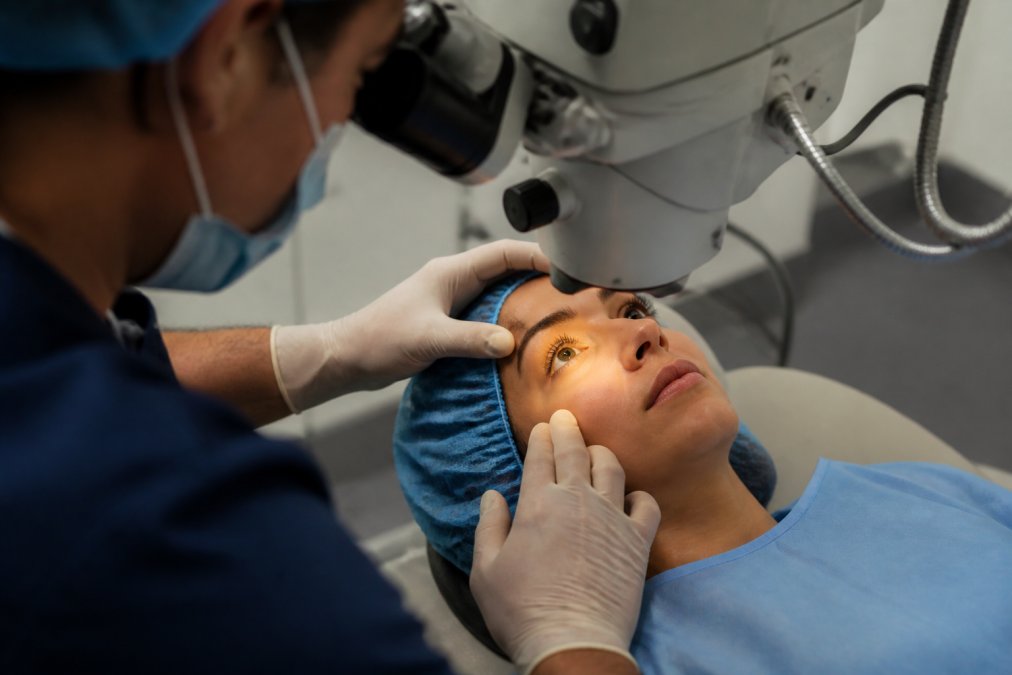
LASIK (laser-assisted in situ keratomileusis) is a refractive surgery designed to correct myopia, hyperopia, and astigmatism by reshaping the cornea. The procedure uses an excimer laser to precisely remove corneal tissue, allowing light to focus correctly on the retina without reliance on glasses or contact lenses.
The procedure happens in three main steps. First, the surgeon creates a thin corneal flap using either a mechanical microkeratome or a femtosecond laser. Second, the excimer laser is programmed based on your specific refractive error and ablates (removes) microscopic amounts of corneal tissue in a customized pattern. Third, the corneal flap is repositioned and naturally adheres without stitches.
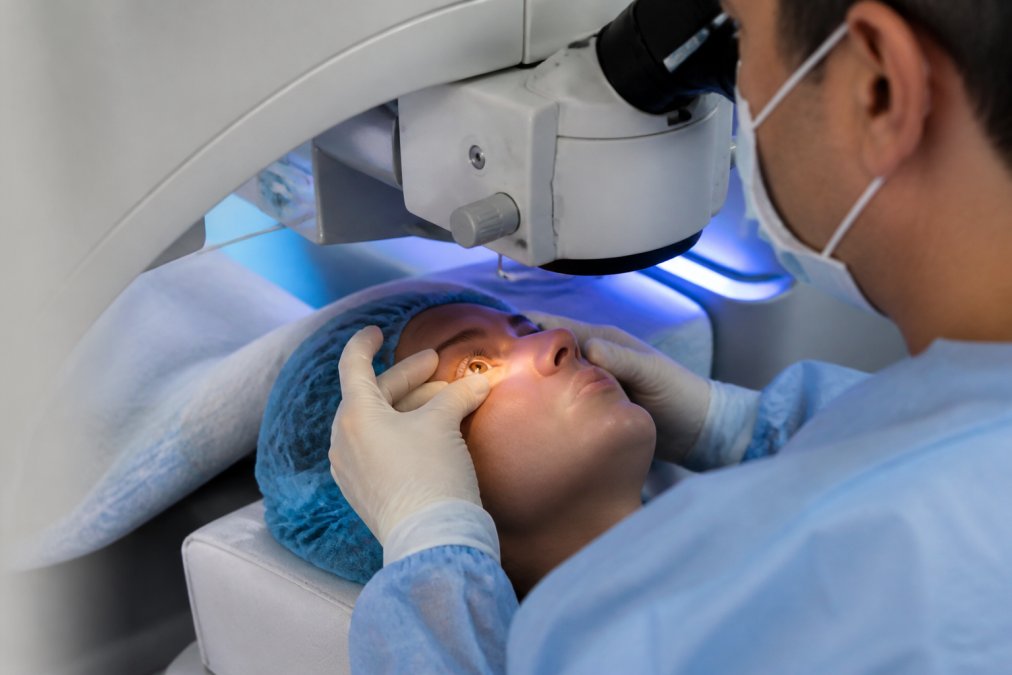
The entire procedure typically takes 10 to 15 minutes per eye. Most patients experience immediate vision improvement, though full stabilization takes several weeks. The precision of modern LASIK platforms, capable of tracking eye movement hundreds of times per second, has significantly improved outcomes and reduced the risk of surgical complications.
LASIK Candidacy Requirements: Who Should Consider This Surgery
Not every adult is a suitable candidate for LASIK surgery. Candidacy requirements exist specifically to minimize surgical risks and maximize the likelihood of a successful outcome.
Key candidacy requirements include:
- Age: Generally 18 years or older (most surgeons prefer 21+, as vision can continue to change in your early 20s)
- Stable vision: Your prescription should have remained stable for at least 12 months
- Adequate corneal thickness: Minimum corneal thickness is necessary to safely remove tissue
- Healthy corneas: No history of keratoconus, corneal scarring, or other corneal disease
- Realistic expectations: Understanding that LASIK corrects refractive error but doesn't prevent presbyopia or other age-related eye conditions
- No active eye disease: Conditions like dry eye syndrome, cataracts, or retinal disease must be evaluated before surgery
- Pregnancy considerations: Hormonal changes during pregnancy can affect vision stability, so surgery is typically postponed until after pregnancy and breastfeeding
During your pre-operative consultation, your eye care provider will measure corneal thickness using pachymetry, assess corneal curvature with topography, evaluate pupil size and other optical factors, and review your complete ocular and medical history. This evaluation determines whether you're actually a good candidate or whether LASIK carries unacceptable risk for your specific situation.
Some patients have refractive errors that are too high for safe LASIK correction, while others have corneas that are too thin or coexisting eye conditions that would be worsened by the procedure. A thorough candidacy evaluation protects you by being honest about whether LASIK is truly appropriate for your eyes.
Common LASIK Side Effects and How They Compare to Risks
LASIK side effects are real and deserve honest discussion. Most are temporary and resolve within weeks to months, but some can persist longer or become chronic.
Common temporary side effects include:
- Dry eye syndrome: The most frequently reported side effect. The corneal flap creation temporarily disrupts corneal nerves that signal tear production. Most patients experience dry, gritty, or uncomfortable eyes for the first few weeks to months. Artificial tears, lubricating ointments, and sometimes prescription eye drops help manage this. For most people, dry eye resolves significantly within 3-6 months.
- Night vision halos and glare: Many patients notice halos around lights or increased glare in low-light conditions. This occurs because the laser ablation creates an optical zone that may be slightly smaller than your pupil size in dim lighting. Most patients adapt to this within weeks.
- Fluctuating vision: Vision may fluctuate throughout the day during healing. This is normal and typically stabilizes within the first month.
- Light sensitivity: Your eyes may be more sensitive to bright light for the first week or two.
Less common but more serious complications include:
- Corneal scarring: Rare but potentially vision-threatening, occurring in fewer than 1% of cases and usually preventable with proper post-operative care.
- Undercorrection or overcorrection: Your vision may not be fully corrected, or the correction may overcorrect your refractive error. Enhancement procedures can address this.
- Vision loss: Permanent vision loss from LASIK is extremely rare when performed by qualified surgeons on appropriate candidates.
- Flap complications: The corneal flap can develop issues like epithelial ingrowth or striae, usually manageable but may require additional intervention.
Most LASIK complications are preventable through appropriate patient selection and proper surgical technique. Your individual risk depends on your specific eye anatomy, your surgeon's experience, and your adherence to post-operative care instructions.
LASIK Surgery Recovery Time: What to Expect Week by Week
Understanding the recovery timeline helps you plan appropriately and manage expectations.
Week 1: Immediate recovery
Vision improvement begins immediately, though it will be blurry and fluctuating. Your eyes will feel dry, gritty, and mildly uncomfortable. You'll use prescribed antibiotic and anti-inflammatory eye drops frequently. You must avoid rubbing your eyes, swimming, hot tubs, and strenuous exercise. Most patients can return to light desk work after a few days, but screen time should be limited.
Weeks 2-4: Stabilization phase
Vision continues to improve and stabilize. Dry eye symptoms may temporarily worsen as inflammation decreases. You'll continue using lubricating drops regularly. Most people can resume normal activities, including exercise, by the end of week 2-3, though you should avoid contact sports for at least a week. Your first post-operative appointment (usually scheduled for the day after surgery) is critical for evaluating the flap position and confirming healing is progressing normally.
Weeks 5-12: Continued refinement
Vision continues to refine, though changes become more subtle. Most patients achieve their final vision by 3 months post-op. Dry eye typically begins improving as corneal nerves regenerate. You'll have follow-up appointments at regular intervals to monitor healing and watch for any delayed complications.
Beyond 3 months: Long-term adaptation
By 6 months, you should have reached stable vision. Night vision halos or glare typically improve significantly by this point as the cornea fully heals. Any persistent dryness is usually manageable with regular lubricating drops.
LASIK for Patients Over 50: Age-Related Considerations
LASIK is FDA-approved for adults of all ages, and many patients in their 50s, 60s, and beyond pursue the procedure successfully. However, age introduces specific considerations.
The most significant age-related factor is presbyopia, the age-related loss of focusing ability that affects virtually everyone over 40-45. LASIK corrects your distance vision by reshaping the cornea, but it doesn't address presbyopia. This means that even if LASIK gives you perfect distance vision, you'll likely still need reading glasses for near vision tasks.
Some surgeons offer monovision LASIK for older patients, where one eye is intentionally corrected for distance and the other for near vision. This can reduce or eliminate the need for reading glasses, but it requires adaptation and may reduce contrast sensitivity or depth perception for some patients.
Age also affects healing. Older adults generally heal slightly more slowly than younger patients. Your tear film may be less strong, potentially making dry eye more pronounced or longer-lasting. If you have other age-related eye conditions like early cataracts, macular degeneration, or glaucoma, these must be evaluated and potentially managed before LASIK.
Many patients over 50 have excellent outcomes. The key is honest evaluation of whether LASIK addresses your actual vision needs, given that presbyopia is inevitable and will require either reading glasses, bifocal contact lenses, or monovision adaptation.
Long-Term Outcomes: How Long Does LASIK Vision Correction Last?
LASIK permanently reshapes your cornea. The tissue removed during the procedure doesn't regenerate, so the refractive correction itself is permanent. Your eye won't "revert" to your original prescription over time.
However, your vision can change for reasons unrelated to the LASIK procedure. Presbyopia will develop or progress as you age. Some patients experience a gradual shift in their refractive error over years or decades, though true regression is uncommon in modern LASIK. Certain life events, like pregnancy or hormonal changes, can temporarily affect vision.
Long-term studies of LASIK outcomes show that most patients maintain stable vision for many years, with patient satisfaction remaining high even 10+ years after surgery. Some patients do eventually seek enhancement procedures, additional LASIK surgery to fine-tune the correction, usually because of presbyopia or natural age-related vision changes.
An important safety consideration: if you do need an enhancement procedure years after your initial LASIK, you must have adequate remaining corneal thickness. This is why your initial surgical planning, ensuring sufficient corneal thickness is preserved, matters for long-term safety.
Your Next Step: Free LASIK Consultation in Brooklyn
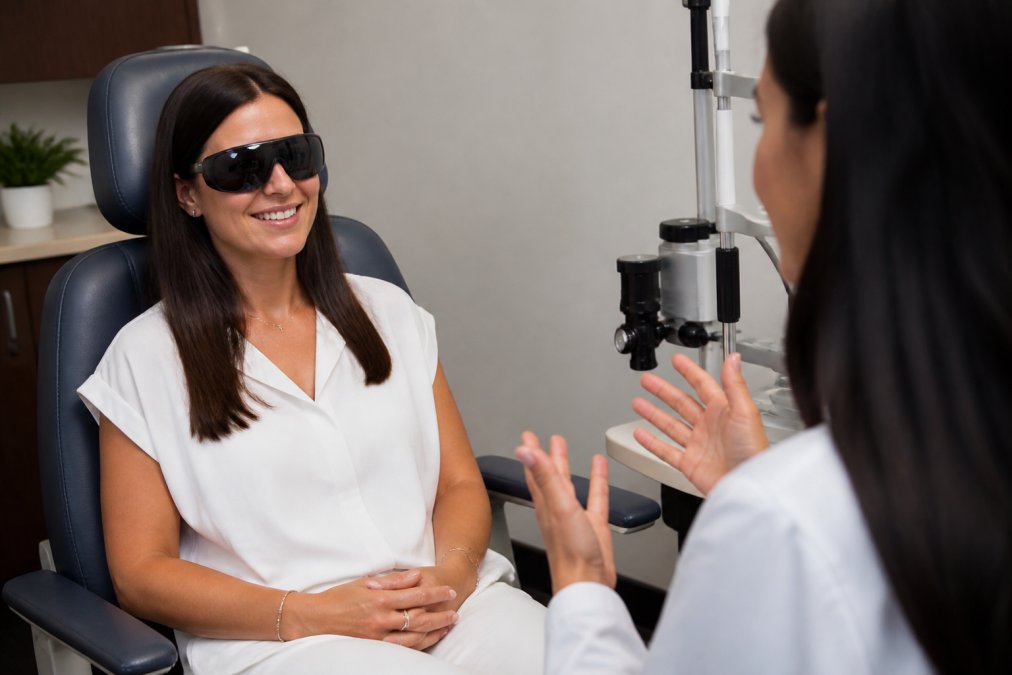
If you're seriously considering LASIK, the next step is a comprehensive pre-operative evaluation with an experienced eye care provider. At Wilck Schwartz & Novak OD PC, we offer free LASIK consultations where we thoroughly evaluate your candidacy, discuss realistic outcomes and risks specific to your eyes, and answer your questions in detail.
During your consultation, we'll perform the same rigorous testing that determines whether LASIK is safe and appropriate for you. We'll measure your corneal thickness, map your corneal curvature, assess your refractive error, evaluate your tear film, and review your complete eye health history. We coordinate your care and ensure you receive the follow-up appointments and monitoring that protect your long-term eye health.
The decision to have LASIK is deeply personal. It requires understanding both the genuine benefits, freedom from glasses and contacts, improved convenience and quality of life, and the real risks and limitations. We're here to provide the honest, thorough evaluation that helps you make that decision with confidence.
LASIK surgery is safe for most adults when performed by qualified ophthalmologists on appropriate candidates, but safety depends entirely on proper patient selection and realistic expectations. At Wilck Schwartz & Novak OD PC, we specialize in comprehensive eye exams, advanced diagnostic testing, and LASIK consultation and management. Schedule your free LASIK consultation today to find out whether this procedure is right for your eyes and your lifestyle.
Frequently Asked Questions
What is the success rate of LASIK surgery?
LASIK surgery has a high success rate for vision correction, with most patients achieving their target vision outcome. The procedure's effectiveness depends on individual factors like corneal thickness, refractive error severity, and healing response. Your ophthalmologist can assess your specific candidacy during a consultation and discuss realistic outcome expectations based on your eye health profile.
What are the long-term side effects of LASIK surgery?
Most LASIK side effects resolve within weeks to months after surgery. Long-term concerns are uncommon but may include mild dry eye symptoms, slight glare in low-light conditions, or presbyopia (age-related difficulty focusing on close objects). These outcomes vary significantly between patients. A thorough pre-operative evaluation helps identify your risk factors and determine whether LASIK is appropriate for your eyes.
Who is not a good candidate for LASIK surgery?
LASIK candidacy requirements exclude patients with insufficient corneal thickness, unstable refractive prescriptions, certain autoimmune conditions, severe dry eye syndrome, or active eye infections. Pregnant or nursing women typically wait before surgery. Age alone doesn't disqualify you, but presbyopia and other age-related changes affect suitability. A comprehensive eye exam determines whether you meet candidacy requirements.
Does the FDA approve LASIK surgery?
Yes, the FDA has approved LASIK as a safe and effective refractive surgery procedure. Excimer lasers used in LASIK are FDA-regulated devices that must meet strict safety and performance standards. FDA approval doesn't eliminate all risks, but it confirms that benefits outweigh risks for appropriate candidates when performed by qualified surgeons in accredited facilities.
This article was written using GrandRanker