 ultimate-guide
Is LASIK Surgery Worth It? A Realistic 2026 Guide
Table of Contents
- What LASIK Surgery Actually Does
- Who Benefits Most From LASIK
- LASIK Surgery Cost: Breaking Down the Real Investment
- LASIK Recovery Time and What to Expect
- LASIK Side Effects and Long-Term Risks
- Is LASIK Surgery Worth It for Your Lifestyle?
- The 10-Year Reality: What Happens After LASIK
- Frequently Asked Questions
Last Updated: August 5, 2026
What LASIK Surgery Actually Does
LASIK surgery uses a laser to reshape the cornea, correcting how light focuses on the retina. It addresses myopia, hyperopia, and astigmatism by permanently altering corneal tissue. Whether LASIK surgery is worth it depends on your vision needs, lifestyle, and tolerance for surgical risk.
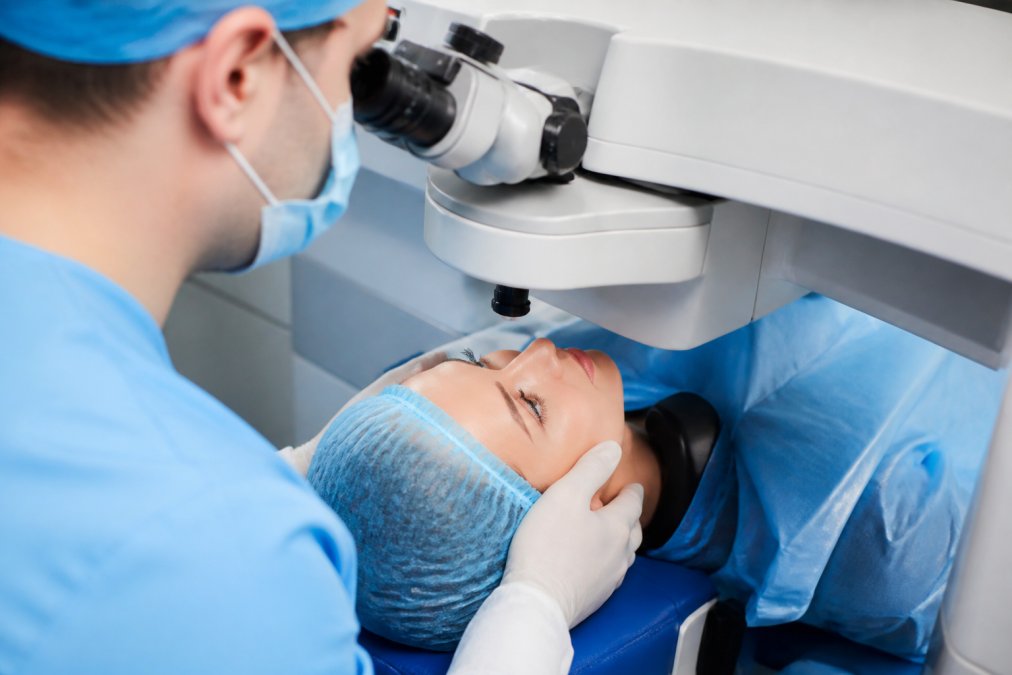
The procedure works in three steps: a surgeon creates a thin corneal flap using a microkeratome or femtosecond laser, an excimer laser ablates corneal tissue to correct your refractive error, and the flap is repositioned without stitches. The entire process takes about 15 minutes per eye.
LASIK doesn't create new vision, it corrects existing refractive errors so you see clearly without glasses or contacts. If you have 20/200 vision, LASIK can improve it to 20/20 or better, but it can't restore vision lost to retinal disease, cataracts, or other conditions unrelated to corneal shape. Modern laser technology has improved precision significantly since the procedure's introduction over 25 years ago, though LASIK remains elective surgery with real risks and limitations.
Who Benefits Most From LASIK
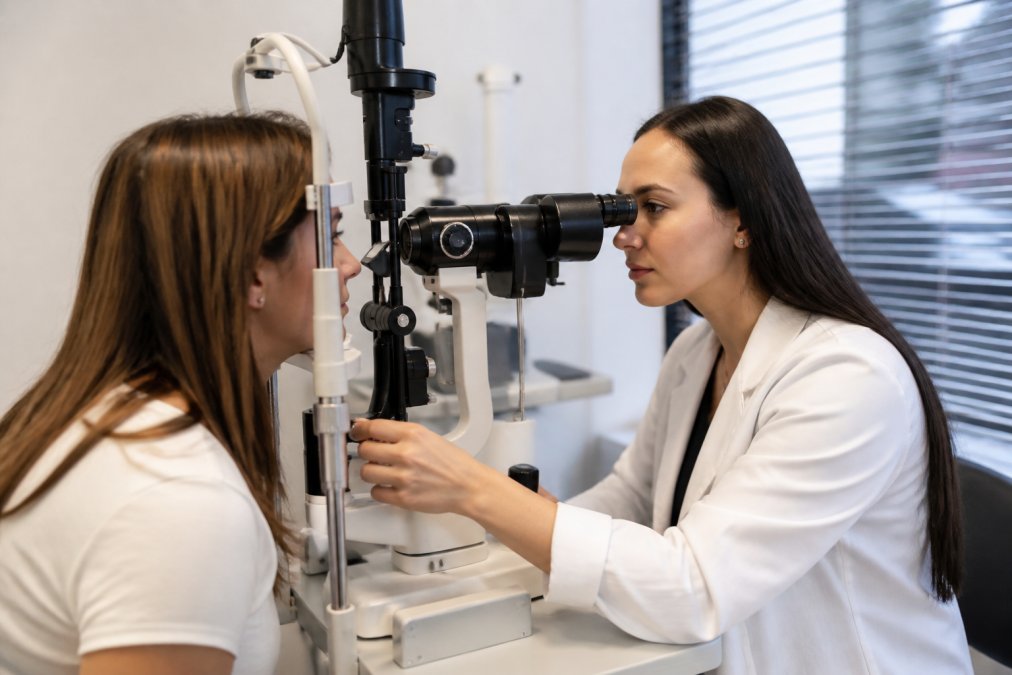
The best candidates for LASIK are adults with stable vision prescriptions, healthy corneas, and realistic expectations. Your age, prescription strength, corneal thickness, and lifestyle all influence candidacy.
Vision stabilizes around age 18-21, so surgeons typically recommend waiting until your mid-20s. If your prescription has changed significantly in the past year, you're not ready. Presbyopia, age-related loss of focusing ability, begins around age 40, and LASIK doesn't prevent it. Patients over 45 often still need reading glasses after surgery.
LASIK works best for mild to moderate myopia, hyperopia, and astigmatism. Extreme prescriptions may exceed what safe laser ablation can achieve. Your surgeon will measure corneal thickness using pachymetry to ensure adequate tissue remains after reshaping.
Lifestyle determines real value. LASIK makes sense if you're tired of contacts, work in dusty or wet environments, play contact sports, or want the convenience of waking up with clear vision. Military personnel, pilots, and athletes often choose LASIK for these reasons. However, if you only wear glasses occasionally or are content with your current correction, surgery offers no advantage.
People with dry eye syndrome, thin corneas, keratoconus, or autoimmune conditions that affect healing should avoid LASIK. A comprehensive pre-operative evaluation determines suitability.
LASIK Surgery Cost: Breaking Down the Real Investment
Most LASIK procedures cost between $2,000 and $4,000 per eye, but this is just the starting point.
Pre-operative testing adds $200-$500 and includes corneal topography, pachymetry, and wavefront analysis, essential tests that identify candidacy and guide surgical planning. Most surgeons include follow-up visits in their quoted price, though extended care beyond six months may cost extra. Complications like infection or corneal scarring require additional treatment.
Insurance rarely covers elective LASIK, though some employers offer partial reimbursement. Flexible spending accounts (FSAs) and health savings accounts (HSAs) allow pre-tax dollars for LASIK, reducing actual cost by your tax bracket.
Compare total cost across surgeons carefully. The cheapest option often reflects less experienced surgeons or older technology. Mid-range pricing typically reflects established surgeons with modern equipment and comprehensive aftercare. Research experience, technology, and patient outcomes rather than assuming price equals quality.
Even after successful LASIK, some patients develop presbyopia or minor refractive changes requiring reading glasses or enhancement procedures. Budget for these possibilities.
LASIK Recovery Time and What to Expect

Recovery happens in phases. Your vision will be blurry immediately after surgery, this is normal. The corneal flap needs time to reattach and heal. Most surgeons restrict activities for the first week: no swimming, contact sports, heavy lifting, or strenuous exercise. You'll use prescribed antibiotic and anti-inflammatory eye drops multiple times daily.
By day three to five, most people achieve functional vision. However, vision continues improving for weeks as fine details and contrast sensitivity gradually sharpen. Night vision disturbances like halos typically improve within three to six months.
Some patients reach stable vision within two weeks; others take three months. Healing depends on age, prescription strength, and individual corneal response.
Dry eye syndrome is the most common post-operative side effect. Corneal nerves are disrupted during surgery, reducing tear production temporarily. Lubricating drops help, and symptoms usually resolve within six months. However, 5-10% of patients experience persistent dry eye lasting years.
After one week, you can resume light exercise. After two weeks, most people return to normal activities, though strenuous exercise should wait four weeks. Swimming and hot tubs should be avoided for at least one month.
Follow-up appointments at 24 hours, one week, one month, three months, and six months are mandatory. These visits monitor healing, assess vision stability, and catch complications early.
LASIK Side Effects and Long-Term Risks
No surgery is risk-free. LASIK complications are rare but real.
Dry eye syndrome affects 40-50% of LASIK patients to some degree. Most cases resolve within six months, but 5-10% experience chronic dry eye lasting years, requiring ongoing treatment with prescription drops or punctal plugs.
Under-correction and over-correction occur when the laser removes too little or too much corneal tissue. Many cases resolve with an enhancement procedure, though some patients never achieve their target vision.
Night vision disturbances include halos, starbursts, and glare around lights. Most patients adapt within three to six months.
Flap complications are the most serious potential problem. Modern femtosecond laser technology has reduced flap complications to roughly 1-2% of cases. Most are manageable if caught early.
Infection is rare due to sterile environments and post-operative antibiotic drops. Report increasing pain, redness, or discharge beyond the first few days immediately.
Ectasia, progressive corneal thinning and bulging, is the most feared long-term complication. Modern surgeons use corneal topography and pachymetry to prevent it by ensuring adequate tissue remains. Risk factors include thin corneas, high prescriptions, and family history of keratoconus. Ectasia is rare with proper patient selection.
Regression, gradual return of your original refractive error, occurs in some patients months or years after surgery, more commonly in those with high myopia. Enhancement procedures can address regression, though success rates decline with each procedure.
Is LASIK Surgery Worth It for Your Lifestyle?
The decision hinges on whether your current vision correction limits your life or simply works fine.
LASIK makes sense if you're frustrated with contact lenses. People who struggle with fit or comfort often find LASIK liberating. However, if your contacts fit well and you're content, surgery offers no practical advantage.
Athletes and outdoor enthusiasts often benefit most. Contact sports carry risk of lens loss or eye injury. Hiking, swimming, and water sports are easier without glasses fogging or falling off.
Cost-benefit analysis matters. LASIK costs $4,000-$8,000 total for both eyes, averaging $200-$400 annually over 20 years. If you spend $500+ yearly on vision correction, LASIK breaks even within 10 years. If you spend $100 yearly, the financial case is weaker.
Some people value the independence and convenience of clear vision without correction. Others feel anxious about elective surgery. Both perspectives are valid. If surgery makes you uncomfortable despite low risk, that discomfort matters.
Your vision will change with age. Presbyopia begins around 40, requiring reading glasses regardless of LASIK. Some patients need enhancement procedures. Others accept minor vision changes as a trade-off for years of glasses-free living.
The 10-Year Reality: What Happens After LASIK
Most patients maintain their corrected vision for 10+ years. Studies show that 85-90% of LASIK patients achieve 20/40 vision or better a decade after surgery, functional for most daily activities.
Presbyopia becomes relevant around age 50, regardless of LASIK. Some surgeons perform monovision LASIK, correcting one eye for distance and one for near vision. This works for some patients but reduces overall visual quality for others.
Regression, gradual return toward your original prescription, occurs in roughly 5-10% of patients over 10 years, more common in those with high myopia. Most regression stabilizes within the first year. Enhancement procedures can address significant regression, though results are less predictable than primary LASIK.
Dry eye typically improves over time but may persist. Most patients see improvement within six months to two years, though 5-10% experience chronic dry eye requiring ongoing management.
At Wilck Schwartz & Novak OD PC, we emphasize the importance of ongoing eye care after LASIK. Regular comprehensive eye exams monitor your long-term vision stability and detect any changes requiring intervention.
Your lifestyle continues evolving over 10 years. What seemed like a permanent solution at age 30 may need adjustment by age 40 or 50. Some patients find their LASIK remains perfect for a decade. Others need reading glasses, an enhancement procedure, or eventually other interventions as their eyes age. This is normal and expected.
Deciding whether LASIK surgery is worth it requires honest assessment of your current vision correction, lifestyle needs, financial situation, and comfort with surgical risk. LASIK offers genuine freedom from glasses and contacts for many people, but it's not the right choice for everyone.
If you're considering LASIK, schedule a comprehensive consultation with an experienced eye surgeon. At Wilck Schwartz & Novak OD PC in Brooklyn, we provide free LASIK consultations with detailed pre-operative evaluation and transparent discussion of outcomes, risks, and alternatives. Our advanced optometric equipment and modern technology ensure thorough assessment of your candidacy. We also manage post-operative care and any complications that arise, giving you continuity of care from evaluation through long-term follow-up. Schedule an Appointment to discuss whether LASIK aligns with your vision goals.
Frequently Asked Questions
What is the downside of LASIK surgery?
LASIK carries real risks including dry eye syndrome, night vision halos, under- or over-correction, and corneal flap complications. Some patients experience temporary discomfort during recovery. Additionally, presbyopia (age-related vision changes) will still occur after age 40, potentially requiring reading glasses later. While serious complications are rare with qualified surgeons, not all patients achieve perfect 20/20 vision, and results vary based on corneal thickness and refractive error severity.
Does LASIK last forever?
LASIK provides long-term vision correction, but your eyes continue to age. Most patients maintain stable vision for 10+ years. However, presbyopia typically develops in your 40s, requiring reading glasses for near vision even after successful LASIK. A small percentage of patients experience regression, where vision gradually shifts back toward their original refractive error. During a free LASIK consultation, your eye care provider can discuss your individual long-term stability expectations based on your specific vision prescription and corneal characteristics.
Who is not a good candidate for LASIK?
LASIK is not suitable for patients with insufficient corneal thickness, unstable prescriptions, severe dry eye disease, or certain corneal conditions. Pregnant or nursing women should wait before surgery. Those with uncontrolled diabetes or autoimmune diseases may not qualify. Age matters too: most candidates are 18 or older with stable vision for at least two years. Contact lens intolerance alone doesn't disqualify you, but it may indicate you're a good candidate. A comprehensive eye exam with your optometrist will determine your individual candidacy.
What happens 10 years after LASIK?
Most patients maintain excellent vision 10 years post-LASIK, with high patient satisfaction rates and long-term stability. However, presbyopia becomes noticeable around age 40-45, requiring reading glasses for near tasks. Some experience mild regression in their distance vision correction. Your corneal health remains stable in the vast majority of cases. Long-term dry eye symptoms may persist or improve depending on post-operative care and lifestyle. Regular eye exams help monitor your ocular health and catch any age-related changes like cataracts or glaucoma early.
How do I know if LASIK is worth it for my specific situation?
LASIK is worth it if you're contact lens intolerant, spend significant time in environments where glasses or contacts are inconvenient (sports, water activities, outdoor work), and have realistic expectations about outcomes and recovery. Calculate your lifetime cost of contacts, glasses, and exams against LASIK pricing. Consider your career (pilots, athletes, military personnel often find it invaluable). If you work long hours on screens and struggle with dry eye, discuss this concern during your consultation. A free LASIK consultation with your optometrist will help you weigh the lifestyle convenience against the financial and physical commitment.
This article was written using GrandRanker