 ultimate-guide
What to Expect During LASIK: A Step-by-Step Guide
Table of Contents
- What to Expect During LASIK: The Complete Procedure
- How Long Does LASIK Take?
- Immediate Post-operative Recovery: The First Few Hours
- Managing Discomfort, Dryness, and Vision Changes
- LASIK Recovery Timeline: When Vision Stabilizes
- Post-LASIK Eye Care Instructions You Need to Follow
- Is LASIK Surgery Worth It? What You Should Know
- Common Concerns and Realistic Expectations
- Frequently Asked Questions
Last Updated: August 22, 2026
What to Expect During LASIK: The Complete Procedure
LASIK reshapes your cornea to correct vision problems. Understanding the procedure reduces anxiety and prepares you mentally. At Wilck Schwartz & Novak OD PC, we believe informed patients experience better outcomes and fewer post-operative surprises.
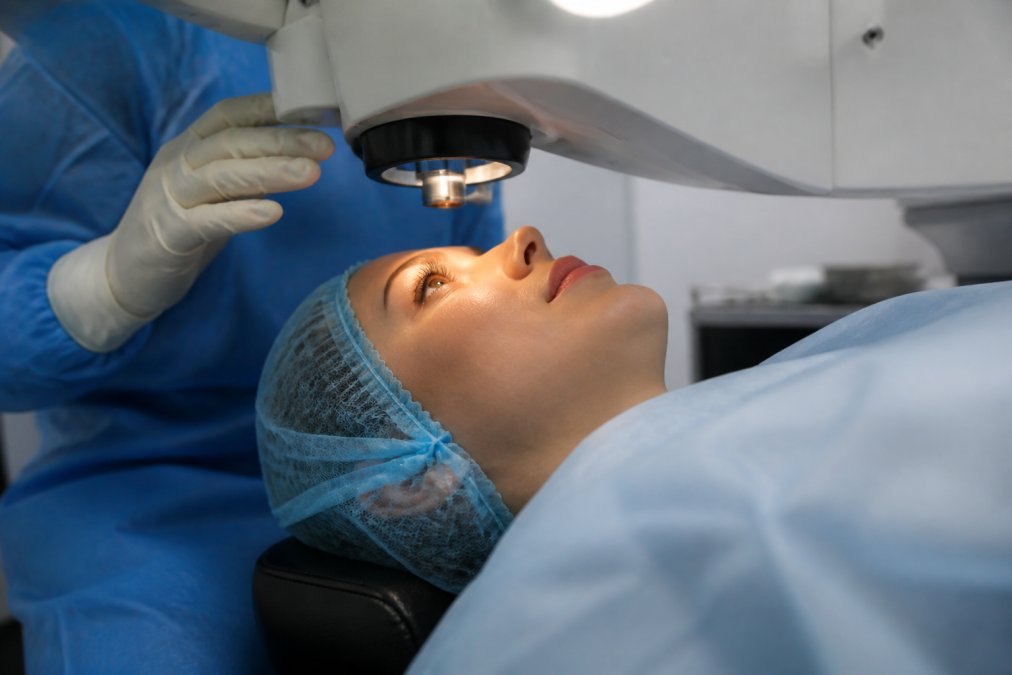
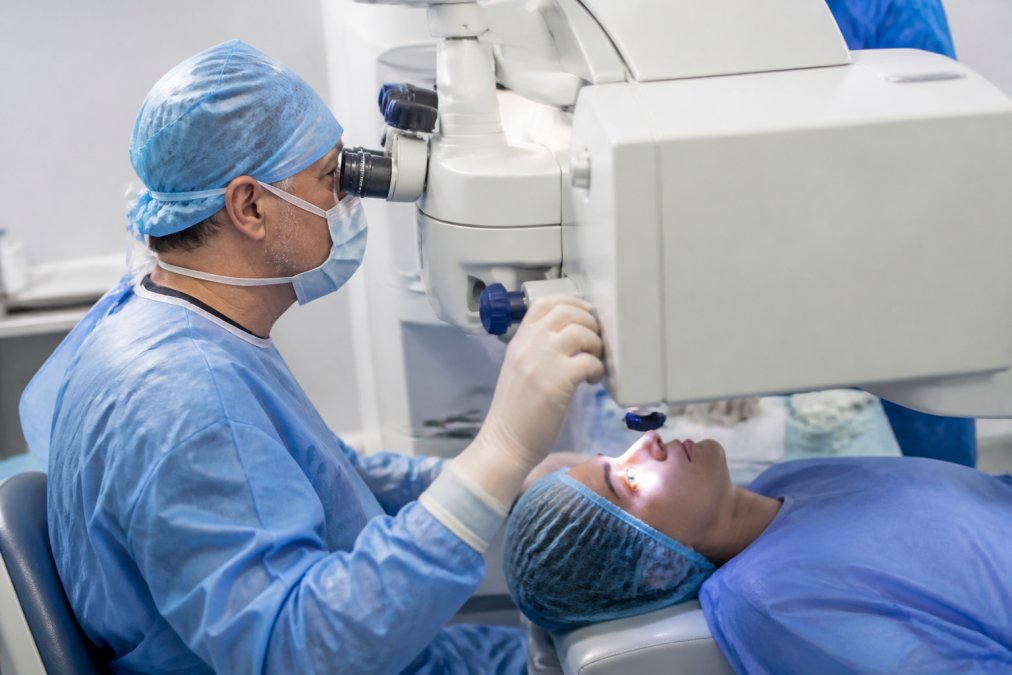
The procedure takes about 15 minutes per eye, though you'll spend 1-2 hours at the clinic for preparation and assessment (aao.org). Your eye will be numbed, a corneal flap created, laser energy will reshape your cornea, and the flap repositioned.
Pre-operative preparation and numbing
Your surgeon applies numbing drops to eliminate pain during the procedure. These anesthetic drops work within seconds, numbing the cornea while keeping you conscious and able to follow instructions.
An eyelid holder, or speculum, keeps your eye open and prevents blinking. You'll feel slight pressure but no pain. Your surgeon marks your eye with a targeting pattern to guide the laser to the exact areas needing correction.
Creating the corneal flap
Your surgeon uses either a mechanical microkeratome or femtosecond laser to create a thin flap in your cornea's outer layer. The femtosecond laser is increasingly common due to greater precision and customization.
You'll experience pressure and hear a clicking sound, but feel no pain. Some patients report a slight grinding sensation or temporary vision dimming, this is normal. Flap creation takes roughly 30-40 seconds per eye. Once created, your surgeon gently lifts the flap, exposing the stromal tissue beneath where the laser will reshape your cornea.
Laser ablation and vision correction
The excimer laser emits ultraviolet light to ablate corneal tissue with microscopic precision, removing tiny amounts to flatten or steepen your cornea depending on whether you're correcting myopia, hyperopia, or astigmatism.
You'll hear a distinctive clicking sound as the laser fires. Some patients describe a slight burning smell from tissue vaporization, this is completely normal. Sophisticated eye-tracking technology monitors your eye position thousands of times per second; if your eye moves, the laser pauses automatically (aao.org). Laser ablation typically takes 20-40 seconds per eye (the FDA).
Flap repositioning and immediate aftercare
Your surgeon carefully repositions the corneal flap, which adheres naturally without stitches. The flap edges are smoothed and any debris removed. You'll feel gentle wiping sensations but no pain.
In the recovery area, your vision will be blurry, expected at this stage. Your surgeon applies antibiotic and anti-inflammatory drops to begin healing and prevent infection.
How Long Does LASIK Take?
Actual laser time is remarkably brief: 20-40 seconds per eye. However, total clinic time is longer due to preparation and post-operative assessment.
Most patients spend 1-2 hours at the clinic, including:
- Pre-operative examination and measurements (15-20 minutes)
- Positioning and numbing (10-15 minutes)
- Flap creation and laser ablation (10-15 minutes per eye)
- Post-operative assessment and instruction (20-30 minutes)
You cannot drive home immediately and will need someone to accompany you.
Immediate Post-operative Recovery: The First Few Hours
Your vision will be blurry and uncomfortable immediately after LASIK. Your corneal flap is settling and your eye is beginning its healing response.
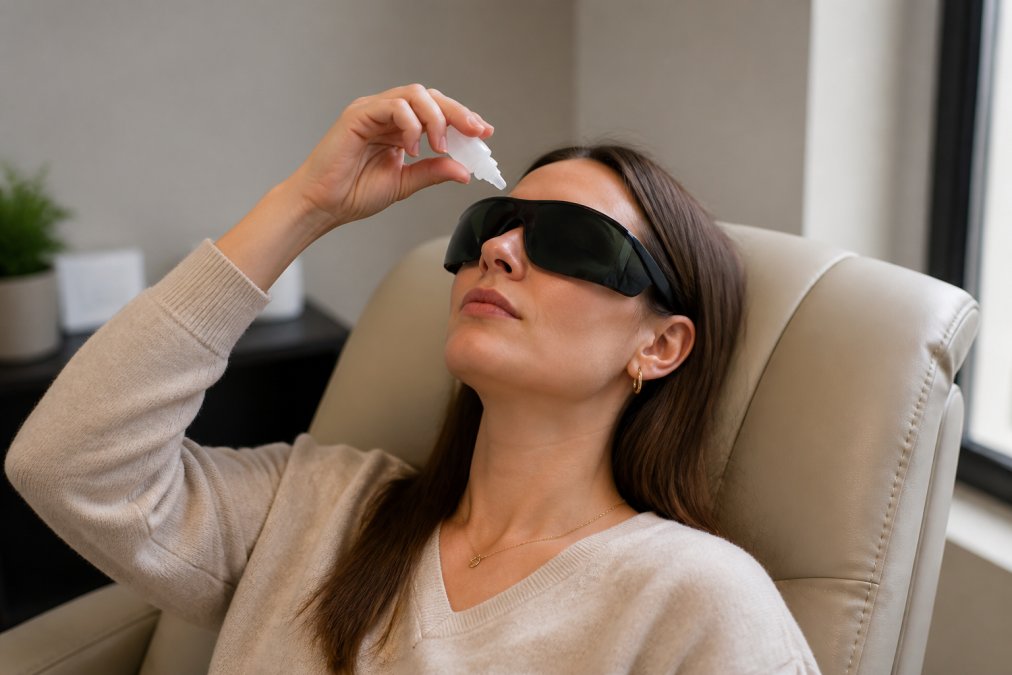
You'll experience:
- Blurred or hazy vision that improves gradually over hours
- Mild stinging or scratchiness
- Light sensitivity, making dark sunglasses essential
- Watery eyes as tear production responds to the procedure
- Foreign body sensation that typically resolves within 24-48 hours
Your surgeon will provide protective eyewear and prescribe lubricating eye drops for frequent use during the first week. These drops prevent dry eye syndrome and support healing.
Do not rub your eyes during the first week, rubbing risks displacing the corneal flap. Rest is essential; keep your eyes closed as much as possible and avoid screens, reading, and focused vision activities. Most patients sleep for several hours after LASIK, which supports healing.
Managing Discomfort, Dryness, and Vision Changes
Discomfort peaks in the first 24-48 hours as your cornea heals. This is temporary and manageable with proper care.
Dry eye syndrome is common after LASIK. Use lubricating eye drops every 1-2 hours during waking hours for at least the first week. Avoid preservative-containing drops if possible. Light sensitivity typically subsides within a few days to a week; wear dark sunglasses outdoors and keep indoor lighting soft.
Vision changes are normal during healing: blurry or hazy vision that gradually clears, fluctuating vision throughout the day, halos or glare around lights, and temporary astigmatism. These should improve steadily. If symptoms persist or worsen, contact your surgeon immediately.
Pain should be minimal to mild. Significant pain may indicate a complication requiring attention.
LASIK Recovery Timeline: When Vision Stabilizes
Recovery follows a predictable timeline, though individual variation is common.
Days 1-3: Vision improves noticeably but remains blurry. Most patients see well enough for basic tasks but not driving. Discomfort peaks but is manageable. Avoid screens, reading, and strenuous activity.
Week 1: Vision continues improving. Most patients achieve functional vision by day 3-5. Light sensitivity and dry eye persist but gradually decrease. Light desk work and non-contact activities can resume.
Weeks 2-4: Vision stabilizes significantly. Most patients achieve 20/20 or better vision by the end of this period. Halos and glare diminish. You can resume most normal activities, though contact sports remain restricted.
Months 2-3: Vision continues subtle refinement. Remaining halos or glare typically resolve. Dry eye symptoms improve as tear production normalizes.
Months 3-6: Final vision stabilization occurs. Your eyes have completed healing and your vision correction is stable.
Return to work depends on your job. Desk work can resume within 3-5 days. Jobs involving physical labor, dust, or contact sports require 1-2 weeks before light duty and 3-4 weeks before full activity.
Post-LASIK Eye Care Instructions You Need to Follow
Proper post-operative care is essential for optimal healing and visual outcomes.
Medication and drops: Use all prescribed drops exactly as directed, antibiotic drops for 1 week, anti-inflammatory drops for 1-2 weeks, and lubricating drops for several weeks or longer. Set reminders for consistency.
Eye protection: Wear protective eyewear during sleep for at least 1 week to prevent accidental rubbing. Wear sunglasses outdoors for several weeks. Avoid chlorinated pools, hot tubs, and natural water for at least 2 weeks.
Activity restrictions: Avoid rubbing your eyes for at least 1 week. No contact sports for 3-4 weeks. No swimming or water sports for 2 weeks. Strenuous exercise can resume after 1 week, but avoid heavy lifting.
Screen time: Limit use during the first week. Follow the 20-20-20 rule: every 20 minutes, look at something 20 feet away for 20 seconds.
Driving: Do not drive until your surgeon clears you, typically 24 hours after surgery. Some patients need 3-5 days.
Follow-up appointments: Attend all scheduled visits at 24 hours, 1 week, 1 month, and 3 months post-surgery.
Is LASIK Surgery Worth It? What You Should Know
The decision to pursue LASIK depends on your lifestyle, vision goals, and comfort with the procedure.
LASIK offers significant benefits for appropriate candidates. Many patients enjoy freedom from glasses and contacts, improved quality of life, and stable vision for years. The procedure has strong safety and effectiveness data. For active individuals and those frustrated with contact lens maintenance, LASIK can be transformative.
However, LASIK is not suitable for everyone. Certain eye conditions, corneal thickness limitations, or unstable prescriptions may make you ineligible. Some patients experience persistent dry eye or night vision symptoms. The procedure is elective and carries inherent surgical risks, though serious complications are rare.
Cost requires out-of-pocket investment, as most insurance plans do not cover elective refractive surgery. However, many patients view this as worthwhile compared to a lifetime of glasses and contacts.
At Wilck Schwartz & Novak OD PC, we offer free LASIK consultations with comprehensive pre- and post-operative care. This allows you to discuss your situation, ask questions, and understand whether LASIK aligns with your vision goals and lifestyle.
Common Concerns and Realistic Expectations
Will it hurt? No. Numbing drops eliminate all pain. You may feel pressure or mild discomfort, but pain is not normal.
Can the laser slip and damage my eye? Modern LASIK systems include eye-tracking technology that monitors your eye position thousands of times per second. If your eye moves, the laser automatically pauses.
What if I blink during the procedure? The eyelid holder prevents blinking.
Will my vision be perfect? Most patients achieve 20/20 vision or better. Some achieve 20/25 or 20/30, which is still excellent. A small percentage require enhancement surgery.
What about halos and glare? These are common immediately after LASIK but typically resolve within weeks to months. Permanent halos or glare are rare.
Can LASIK be reversed? LASIK cannot be completely reversed because ablated corneal tissue cannot be restored. Enhancement procedures can address undercorrection.
What if my prescription changes after LASIK? Enhancement procedures can address minor changes. Presbyopia typically develops in your 40s regardless of LASIK. Some patients choose monovision LASIK to address this.
Is LASIK permanent? The corneal reshaping is permanent, though your eyes continue to age naturally.
LASIK is a safe, effective procedure when performed by an experienced surgeon on appropriate candidates. Realistic expectations lead to higher patient satisfaction.
Deciding whether LASIK is right for you requires understanding the procedure and your vision needs. The best first step is a comprehensive consultation with an experienced eye care provider. At Wilck Schwartz & Novak OD PC, we offer free LASIK consultations that include detailed pre-operative assessment and thorough discussion of recovery expectations. Our advanced optometric equipment and commitment to personalized care ensure you receive the guidance needed to make an informed decision about your vision correction options.
Frequently Asked Questions
Is LASIK surgery very painful during the procedure?
No. Your eyes receive numbing drops before the procedure begins, so you won't feel sharp pain. You may experience mild pressure or a stinging sensation when the corneal flap is created, and you'll see light and hear the laser sound, but discomfort is minimal. Most patients describe the sensation as uncomfortable rather than painful. Any stinging typically resolves within hours after the procedure ends.
What is the LASIK recovery timeline, and when will my vision be clear?
Most patients notice improved vision within 24 hours, though it continues improving over the following weeks. By one week, many achieve functional vision for daily tasks. Full visual acuity and stable vision typically develop over 3 to 6 months as the cornea fully heals and epithelial healing completes. Dry eye and light sensitivity often persist for several weeks but gradually improve with proper post-LASIK eye care instructions and lubricating drops.
How many days should you rest after LASIK?
You should rest for the remainder of the day of your procedure and avoid strenuous activity for at least one week. Most people can return to light desk work and screen time within 24 to 48 hours, though you'll need to limit screen exposure initially. Physical activity, swimming, and contact sports should be avoided for at least one week, and some restrictions may extend longer depending on your healing progress and what your surgeon recommends.
Is LASIK surgery worth it for vision correction?
LASIK can be worth it if you're a good candidate and understand realistic expectations. Many patients eliminate the need for glasses or contacts, gaining convenience and improved quality of life. However, success depends on your prescription, corneal thickness, eye health, and healing response. Some experience side effects like dry eye or night vision halos. Schedule a free LASIK consultation to determine if you're a suitable candidate and discuss whether the benefits align with your lifestyle and visual needs.
This article was written using GrandRanker