 ultimate-guide
Natural Supplements for Chronic Dry Eye Syndrome
Table of Contents
- How Natural Supplements Address Chronic Dry Eye
- Omega-3 Fatty Acids for Dry Eyes: EPA, DHA, and the Lipid Layer
- Vitamin A, Vitamin D, and Antioxidants for Tear Production
- FDA Regulation of Eye Health Supplements: What the Label Doesn't Tell You
- Drug-Nutrient Interactions and Lifestyle Integration
- When to See an Eye Doctor for Dry Eyes
- Frequently Asked Questions
Last Updated: September 19, 2026
How Natural Supplements Address Chronic Dry Eye
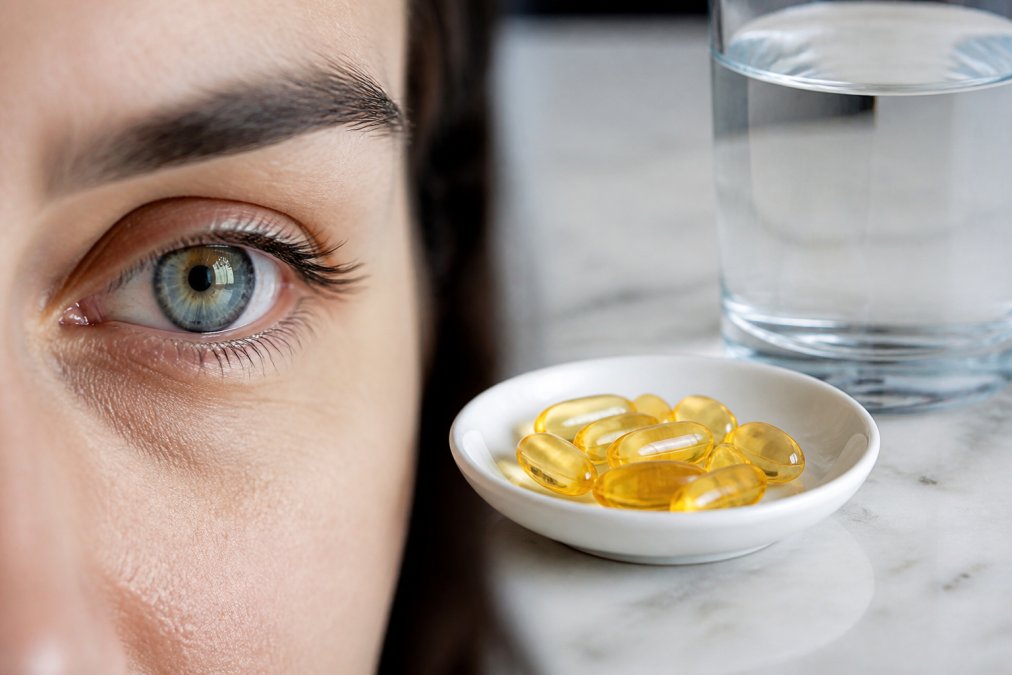
Natural supplements for chronic dry eye syndrome target the inflammatory and nutritional factors that standard lubricating drops often leave unaddressed. This guide from Wilck Schwartz & Novak OD PC explains how specific nutrients support the ocular surface, what the research says about absorption, and how to build a regimen that fits your routine.
The Role of Inflammation and Tear Film Stability
Inflammation reduction sits at the center of most supplement strategies for dry eye. When the ocular surface stays inflamed, the meibomian glands that produce the lipid layer can become blocked or dysfunctional, and tear quality declines even when tear volume looks normal.
Key Nutrients That Support Ocular Surface Health
The nutrients with the strongest theoretical and clinical support fall into three groups: omega-3 fatty acids, fat-soluble vitamins, and antioxidants. Each addresses a different part of the problem, from the tear film's fatty acid profile to oxidative stress on the corneal and conjunctival tissue.
Omega-3 Fatty Acids for Dry Eyes: EPA, DHA, and the Lipid Layer
Omega-3 fatty acids for dry eyes are the most studied category of natural supplements for chronic dry eye syndrome, and the reason comes down to the lipid layer. EPA and DHA, the two active marine omega-3s, influence how the meibomian glands produce the oily outer layer of the tear film that slows evaporation.
Dietary Sources vs. Oral Supplementation
Fatty fish such as salmon, sardines, and mackerel provide EPA and DHA directly. Plant sources like flaxseed and walnuts supply ALA, which the body converts to EPA and DHA only inefficiently, so many practitioners favor marine sources or a quality fish oil when dietary intake falls short.
Bioavailability and Fatty Acid Profile
Bioavailability differences between products are substantial. The label's fatty acid profile, particularly the EPA-to-DHA ratio and whether the oil is triglyceride or ethyl ester form, affects how much the body absorbs. A high total fish oil number with a low EPA and DHA breakdown delivers less of what matters.
| Nutrient | Primary Role | Best Dietary Sources | Form to Look For |
|---|---|---|---|
| Omega-3 (EPA/DHA) | Lipid layer support | Salmon, sardines, mackerel | Triglyceride-form fish oil |
| Vitamin A | Ocular surface protection | Liver, carrots, sweet potato | Retinol or beta-carotene |
| Vitamin D | Tear production support | Fatty fish, fortified dairy | D3 with fat-containing meal |
| Vitamin C and E | Antioxidant properties | Citrus, nuts, seeds | Combined antioxidant formula |
| CoQ10 | Oxidative stress reduction | Organ meats, fatty fish | Oil-based softgel |
Vitamin A, Vitamin D, and Antioxidants for Tear Production
Vitamin A, vitamin D, and antioxidant nutrients each support tear production and ocular repair through different pathways. Vitamin A maintains the conjunctival and corneal epithelium, while vitamin D deficiency has been associated with dry eye symptoms in observational studies.
Fat-Soluble Vitamins and Ocular Repair
Fat-soluble vitamins require dietary fat for absorption, so taking them with a meal containing fat improves uptake. Vitamin A as retinol supports the epithelial tissue of the ocular surface, and inadequate intake can contribute to a deficiency that shows up as dryness and irritation.
Vitamin C, Vitamin E, and CoQ10: Antioxidant Properties
Antioxidants address oxidative stress, which builds up on an inflamed ocular surface and can slow healing. Vitamin C supports collagen and tissue repair, vitamin E protects cell membranes from oxidative damage, and CoQ10 supports cellular energy production in tissues that maintain tear quality. Taken together with a fat source, they tend to work better than each in isolation.
FDA Regulation of Eye Health Supplements: What the Label Doesn't Tell You
FDA regulation of eye health supplements is lighter than most people assume. Under the Dietary Supplement Health and Education Act (DSHEA) of 1994, supplements are regulated as a category of food rather than as drugs. No pre-market approval for safety or effectiveness is required, and the manufacturer, not the FDA, is responsible for ensuring the product is safe and its label claims are truthful.
Reading an Omega-3 Label: Total Milligrams vs. Active EPA and DHA
Dosage standardization is where labels vary most, and omega-3 is the clearest example. A bottle advertising "1,000 mg fish oil" describes total oil weight, not the two active marine omega-3s. The number that matters for tear film and meibomian gland support is the combined EPA and DHA figure, usually listed separately on the Supplement Facts panel.
Triglyceride Form vs. Ethyl Ester Form
The form of the oil affects how much the body absorbs. Natural fish oil is triglyceride-form, with fatty acids attached to a glycerol backbone as they appear in the fish. Many concentrated products are processed into ethyl ester form to boost the EPA and DHA percentage, and some manufacturers re-esterify back to triglyceride form.
Third-Party Testing and What the Seals Mean
Because the FDA does not verify label accuracy before sale, third-party programs fill part of that gap. Look for:
- USP Verified, confirms the product contains the ingredients listed, in the declared amounts, and meets limits for contaminants such as heavy metals.
- NSF Certified for Sport, similar verification with additional screening for substances banned in athletic competition.
- ConsumerLab and similar independent testers, publish pass/fail results by product, useful for cross-checking a specific brand before you buy.
Storage and Stability
Omega-3 oils oxidize over time, and oxidized oil loses potency and can cause digestive upset. Store fish oil in a cool, dark place, not a sunny windowsill or above the stove, and check the expiration date. If capsules smell strongly rancid when opened, the oil has degraded. Refrigerating an opened bottle can slow oxidation, though it is not required for most shelf-stable products.
Drug-Nutrient Interactions and Lifestyle Integration
Drug-nutrient interactions are the angle most supplement guides skip, and they matter for anyone already using prescription dry eye therapy. The interaction runs both ways: medications can deplete nutrients that support the ocular surface, and supplements can change how a medication is absorbed or how it affects clotting and inflammation.
Prescription Dry Eye Medications and Supplement Timing
Two prescription classes come up most often in dry eye care. Cyclosporine ophthalmic emulsion (brand name Restasis) and lifitegrast ophthalmic solution (brand name Xiidra) are topical immunomodulators used to reduce ocular surface inflammation. Because they are applied directly to the eye, systemic absorption is low and clinically significant interactions with oral supplements are uncommon.
Supplements That Interact With Common Medications
- Omega-3 fatty acids can have a mild antiplatelet effect. At typical supplemental doses this is usually not clinically significant, but anyone taking warfarin, apixaban, rivaroxaban, or clopidogrel should tell their prescriber before starting a high-dose fish oil regimen.
- Vitamin E at high doses can also increase bleeding risk when combined with anticoagulants.
- Vitamin A is fat-soluble and accumulates in the body. High-dose retinol supplements taken alongside isotretinoin or other retinoid medications can push total vitamin A intake into a range associated with liver stress and other adverse effects.
- Vitamin K can interfere with warfarin dosing and should be kept consistent rather than started or stopped abruptly.
- Diuretics such as hydrochlorothiazide can increase loss of water-soluble vitamins, and long-term use of some medications that affect fat absorption can reduce uptake of vitamins A, D, E, and K.
If you take prescription medication and are considering natural supplements for chronic dry eye syndrome, review the full list with your eye doctor or pharmacist before adding anything. Bring the actual bottles, not just the names.
Building a Supplemental Regimen That Fits Your Day
Lifestyle integration determines whether a regimen sticks. A practical framework:
- Take fat-soluble vitamins and fish oil with your largest meal of the day, which is most likely to contain enough fat for absorption
- Separate mineral supplements from doxycycline or other tetracyclines by at least two hours
- Set a phone reminder so doses are not skipped on busy days
- Pair supplementation with 20-20-20 screen breaks (every 20 minutes, look 20 feet away for 20 seconds)
- Add a humidity gauge to your workspace and aim for 40-60% relative humidity, since low indoor humidity accelerates tear evaporation
- Track symptoms weekly to see whether changes are real
- Review the regimen with your eye doctor at your next exam
When to See an Eye Doctor for Dry Eyes
When to see an eye doctor for dry eyes depends on persistence and severity. If symptoms last more than a few weeks, interfere with reading or screen work, or come with pain, redness, or vision changes, an evaluation is warranted rather than more over-the-counter drops.
Frequently Asked Questions
Which vitamins are best for chronic dry eye syndrome?
Omega-3 fatty acids (EPA and DHA) have the most evidence for supporting tear film stability and reducing inflammation. Vitamin A supports the ocular surface and corneal health, while vitamin D deficiency has been linked to dry eye symptoms. Antioxidants like vitamin C, vitamin E, and CoQ10 help protect against oxidative stress. A doctor can help determine which dry eye supplements fit your specific situation.
Do omega-3 supplements really help with dry eyes?
Research shows omega-3 fatty acids for dry eyes can support the lipid layer of the tear film, which helps prevent tears from evaporating too quickly. EPA and DHA are the key fatty acids studied. Results vary by person and formula, and improvements typically take several weeks of consistent use. A doctor can advise whether omega-3s make sense alongside other treatments.
How long does it take for eye supplements to work?
Most clinical research on dry eye supplements measures changes over 8 to 12 weeks. Fat-soluble vitamins and fatty acids build up in your system gradually, so you may not notice differences in tear quality or symptom management right away. If you see no improvement after a few months, talk to an eye doctor about other options.
Should I consult an optometrist before starting dry eye supplements?
Yes. An optometrist can check for meibomian gland dysfunction, corneal health issues, or nutritional deficiencies that supplements alone will not fix. They can also flag drug-nutrient interactions if you take blood thinners, blood pressure medication, or other prescriptions. Bring your supplement bottles to your appointment so the doctor can review the full picture.