 how-to
Why Your Eyes Feel Gritty in the Morning
Table of Contents
- What Causes Gritty Eyes in the Morning
- How to Fix Chronic Dry Eyes
- Meibomian Gland Dysfunction Treatment
- Best Eye Drops for Dry Eyes
- When to Seek Professional Eye Care
- Medication Side Effects and Gritty Eyes
- Frequently Asked Questions
Last Updated: August 29, 2026
What Causes Gritty Eyes in the Morning
Waking up with gritty eyes is one of the most common complaints we hear at Wilck Schwartz & Novak OD PC. That scratchy, uncomfortable sensation typically stems from incomplete tear film coverage during sleep combined with reduced tear production and environmental factors.
The primary culprit is incomplete tear film coverage. Your tears contain three critical layers: an outer lipid layer (produced by meibomian glands), a middle aqueous layer, and an inner mucin layer (peer-reviewed research). When any of these layers breaks down, your ocular surface becomes exposed and irritated. During sleep, tear production drops dramatically, your blinking reflex shuts down completely, and if you have even mild nocturnal lagophthalmos (incomplete eyelid closure), your cornea dries out rapidly.
Nocturnal Lagophthalmos and Incomplete Eye Closure
Nocturnal lagophthalmos occurs when your eyelids don't fully close while you sleep. Even a small gap of 1-2 millimeters exposes the cornea and conjunctiva to dry bedroom air. This condition is surprisingly common and often goes undiagnosed.
The cause varies. Some people have naturally loose eyelid skin that relaxes with age. Others have nerve or muscle conditions that weaken eyelid control. Certain sleep positions, particularly sleeping on your back, make the problem worse. If you wake up with one eye feeling more gritty than the other, nocturnal lagophthalmos in that eye is likely responsible.
You can perform a simple self-check: gently close your eyes in front of a mirror and look for any white space between your upper and lower lids. If you see a gap, you may have mild lagophthalmos. More severe cases require professional evaluation using advanced optometric equipment to assess eyelid closure during sleep.
Tear Film Breakdown During Sleep
Your tear film is a sophisticated structure. The lipid layer prevents evaporation, the aqueous layer provides hydration and oxygen, and the mucin layer anchors tears to your eye surface. When you sleep, all three layers become compromised.
Tear production drops to nearly zero during sleep, a natural process called nocturnal tear suppression (peer-reviewed research). Simultaneously, remaining tears evaporate because there's no blinking to refresh them. If your meibomian glands are dysfunctional, this problem intensifies dramatically. The result is a tear film that's thinner, less stable, and more prone to breaking apart when you open your eyes in the morning.
Blepharitis and Eyelid Inflammation
Blepharitis is inflammation of the eyelid margins and a major contributor to morning grittiness. This condition disrupts meibomian gland function and damages the eyelid's ability to maintain a healthy tear film.
There are two types: anterior blepharitis, which affects the eyelash line and is often caused by bacterial colonization, and posterior blepharitis, which involves meibomian gland dysfunction. When your eyelids are inflamed, the glands that produce the lipid layer work poorly, resulting in an unstable tear film. Dead skin cells, bacterial biofilm, and meibum accumulate along the lash line. During sleep, these irritants sit directly against your eye, creating that gritty sensation when you wake and blink. Proper eyelid hygiene is essential for managing this condition.
How to Fix Chronic Dry Eyes
Fixing chronic dry eyes requires a multi-pronged approach. The most effective strategy addresses the root cause. If nocturnal lagophthalmos is your problem, eyelid taping or specialized eyewear can help. If meibomian gland dysfunction is driving your symptoms, warm compresses and eyelid massage are essential. If blepharitis is the culprit, consistent eyelid hygiene becomes non-negotiable.
Sleep Environment Optimization
Your bedroom environment directly impacts your eye health during sleep. A dry room accelerates tear evaporation, especially in winter or in homes with aggressive heating.
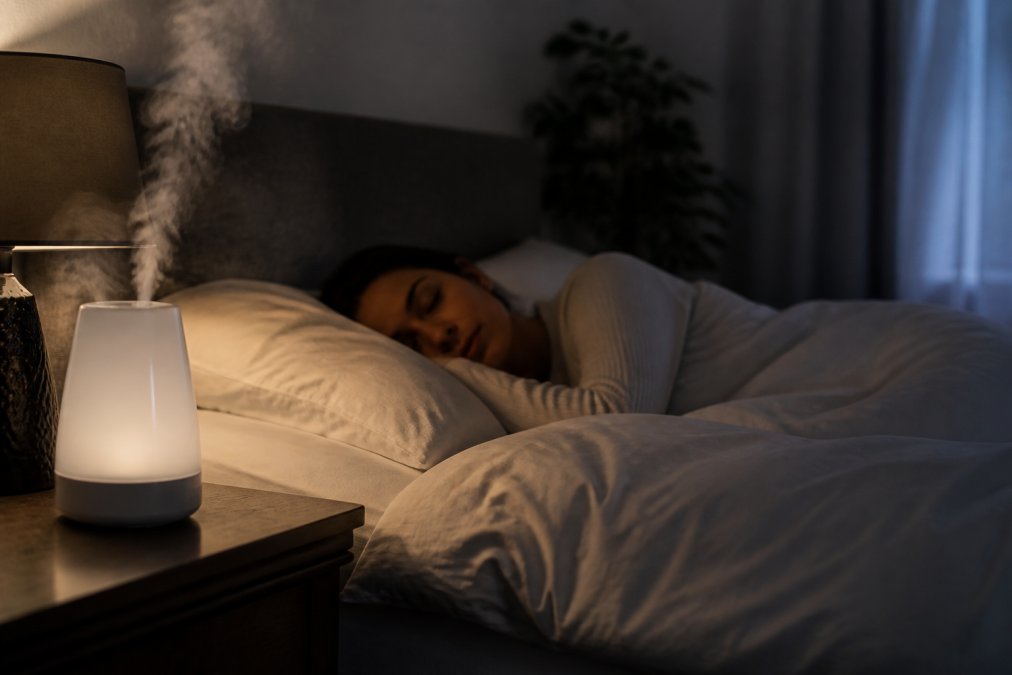
Measure humidity in your bedroom, ideal levels for eye health are between 40-60 percent (aao.org). If your bedroom is below 40 percent, a cool-mist humidifier placed on your nightstand adds moisture to the air while you sleep, slowing tear evaporation. Many people report noticeable improvement within a few days of consistent use.
Temperature also matters. Keep your bedroom cool, around 65-68 degrees Fahrenheit is ideal for both sleep quality and eye health. Avoid ceiling fans that blow air directly across your face. Your sleep position influences eyelid closure: sleeping on your side with your head tilted slightly forward promotes better eyelid closure than sleeping on your back.
Allergen control is often overlooked. Dust mites thrive in bedding and can trigger inflammation that worsens dry eye. Wash your sheets weekly in hot water, use a dust mite-proof pillow cover, and consider replacing your pillow every 6-12 months. If you have pets that sleep in your bedroom, their dander can trigger ocular surface inflammation.
Morning Eye Care Routine
Establishing a consistent morning eye care routine can eliminate gritty eyes before they start. Begin with a warm compress: wet a clean washcloth with warm water (around 110-115 degrees Fahrenheit) and hold it gently against your closed eyelids for 5-10 minutes. This warmth softens meibum in your meibomian glands and increases blood flow to your eyelids, promoting healing of inflamed tissue.
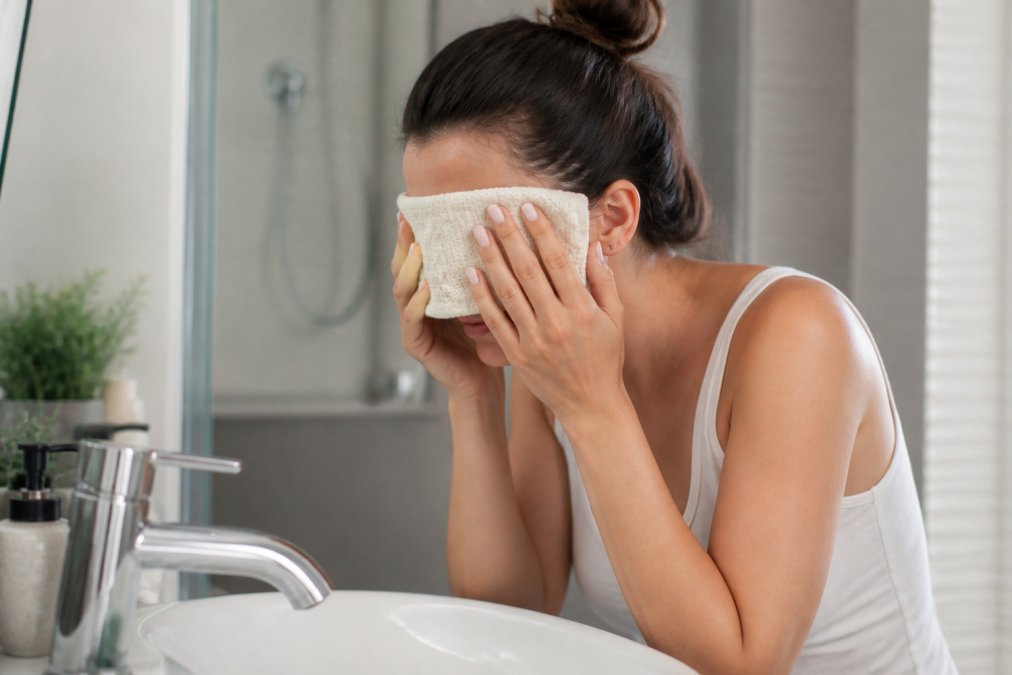
After the warm compress, gently massage your eyelid margins using your clean index finger with light pressure along the upper and lower eyelid margins for 20-30 seconds each. This helps express meibum from your glands and promotes healthy tear film composition.
Follow with eyelid cleansing using a commercial eyelid cleanser or diluted baby shampoo solution (one part baby shampoo to nine parts warm water) applied with a clean cotton ball. Gently wipe along your lash line, removing any crusting or debris, then rinse thoroughly with warm water.
Finally, instill preservative-free artificial tears. Apply one drop to each eye and blink several times to distribute the tears across your ocular surface. The entire routine takes 15-20 minutes and should become automatic. Most people see significant improvement within one week of consistent practice.
Meibomian Gland Dysfunction Treatment
Meibomian gland dysfunction is one of the most common causes of gritty eyes in the morning. These glands produce the lipid layer of your tear film, the layer that prevents evaporation. When they malfunction, your tear film becomes unstable and breaks apart rapidly.
The condition develops when meibum becomes thick and waxy, clogging the gland openings. The foundation of treatment is heat and expression: warm compresses soften meibum, and gentle eyelid massage physically expresses it. This is not optional for meibomian gland dysfunction; it's the core treatment.
Some people benefit from professional meibomian gland treatments using devices like thermal pulsation systems that deliver controlled heat and gentle pressure to express glands. At Wilck Schwartz & Novak OD PC, we assess meibomian gland function using advanced optometric equipment and recommend appropriate treatment based on severity.
Oral supplements containing omega-3 fatty acids have shown promise in some studies for improving meibum quality, though results vary by individual. Consistent warm compress and massage therapy remains the most reliable treatment.
Best Eye Drops for Dry Eyes
The most important rule: use preservative-free drops. Preservatives in multi-dose bottles, especially benzalkonium chloride, can damage your ocular surface with chronic use. Preservative-free drops come in single-use vials and are gentler on your eyes.
Look for drops that address your specific type of dry eye. If your problem is evaporative dry eye (due to meibomian gland dysfunction), you need drops with a lipid component that mimic the outer layer of your tear film. If your problem is aqueous-deficient dry eye (low tear production), you need drops with higher viscosity that stay on your eye longer.
Avoid drops that "get the red out" (vasoconstrictors), these temporarily shrink blood vessels but worsen dry eye with chronic use. Many people find that different drops work better at different times: lighter formulations in the morning, thicker gels or ointments at night.
If over-the-counter drops aren't providing relief after two weeks of consistent use, prescription drops like cyclosporine or lifitegrast may help by reducing inflammation and improving tear production. These require professional evaluation and ongoing monitoring.
When to Seek Professional Eye Care
Gritty eyes in the morning are common, but persistent symptoms warrant professional evaluation. If your morning grittiness doesn't improve after two weeks of self-care, schedule an eye exam.
Seek immediate care if you experience pain, vision changes, or discharge, as these can indicate corneal abrasion, infection, or other serious conditions. Redness that doesn't resolve within a few days, or grittiness accompanied by light sensitivity, also warrant prompt professional attention.
At Wilck Schwartz & Novak OD PC, we diagnose the specific cause of your gritty eyes using advanced optometric equipment. We assess tear film stability, evaluate meibomian gland function, examine your eyelids for blepharitis, and check for nocturnal lagophthalmos. Some cases require specialist referral for severe nocturnal lagophthalmos or unresponsive blepharitis.
Medication Side Effects and Gritty Eyes
Many medications can cause or worsen dry eye and gritty eyes in the morning. Common culprits include antihistamines, decongestants, certain blood pressure medications, antidepressants, and isotretinoin. These medications reduce tear production or change tear composition.
If you suspect a medication is causing your symptoms, don't stop taking it without consulting your prescribing physician. Instead, schedule an eye exam and discuss your medication list with your eye care provider. We can assess whether the medication is responsible and work with your other healthcare providers to find alternatives if necessary.
Gritty eyes in the morning don't have to be a daily frustration. Most cases respond well to targeted treatment addressing the underlying cause. Whether your problem is nocturnal lagophthalmos, meibomian gland dysfunction, blepharitis, or environmental factors, a systematic approach combining sleep environment optimization, morning eye care, and appropriate drops delivers real relief.
If self-care hasn't resolved your symptoms, professional evaluation is the next step. The team at Wilck Schwartz & Novak OD PC has diagnosed and managed gritty eyes in patients using advanced optometric equipment and modern technologies. We identify what's causing your morning discomfort and develop a treatment plan tailored to your specific situation. Schedule an appointment today and discover how precise diagnosis and targeted treatment can restore your eye comfort.
Frequently Asked Questions
Q: Why do my eyes feel gritty in the morning?
A: Gritty eyes in the morning occur due to reduced tear production during sleep, incomplete eyelid closure (nocturnal lagophthalmos), and the breakdown of your tear film overnight. Your eyes produce fewer tears while sleeping, and the lipid layer of your tears evaporates more quickly without the protective effect of blinking. This combination leaves your ocular surface dry and irritated when you wake.
Q: How can I fix chronic dry eyes caused by meibomian gland dysfunction?
A: Meibomian gland dysfunction occurs when the glands along your eyelids fail to produce adequate lipid, the oil component of your tear film. Treatment involves warm compresses applied for 10-15 minutes each morning and evening to help the glands secrete oil, gentle eyelid massage, and preservative-free artificial tears. If these steps don't help within 2-3 weeks, an eye care professional can assess whether additional interventions are needed.
Q: What are the best eye drops for dry eyes?
A: Preservative-free artificial tears are generally the safest choice for frequent use, as preservatives can irritate sensitive eyes. Look for drops that contain lubricating agents like hyaluronic acid or carboxymethylcellulose. For meibomian gland dysfunction specifically, lipid-based drops may provide better relief. Since individual eyes respond differently to various formulations, trying different brands under professional guidance helps identify what works best for your tear film composition.
Q: Can sleeping with a fan on make my eyes feel gritty?
A: Yes, sleeping with a fan on can worsen morning eye grittiness. Fans increase air circulation and evaporation of your tear film while you sleep. If you use a fan for comfort, position it away from your face or use a humidifier to counteract moisture loss. Keeping your bedroom humidity between 30-50% helps maintain adequate moisture on your ocular surface overnight.
This article was written using GrandRanker