 how-to
How to Choose Preservative-Free Eye Drops: A 2026 Guide
Table of Contents
- What Are Preservative-Free Eye Drops and Why They Matter
- Common Eye Drop Preservatives to Avoid
- Single-Dose vs Multi-Dose Eye Drop Vials: Which Is Right for You
- How Often to Use Artificial Tears for Dry Eye Relief
- Who Needs Preservative-Free Formulas Most
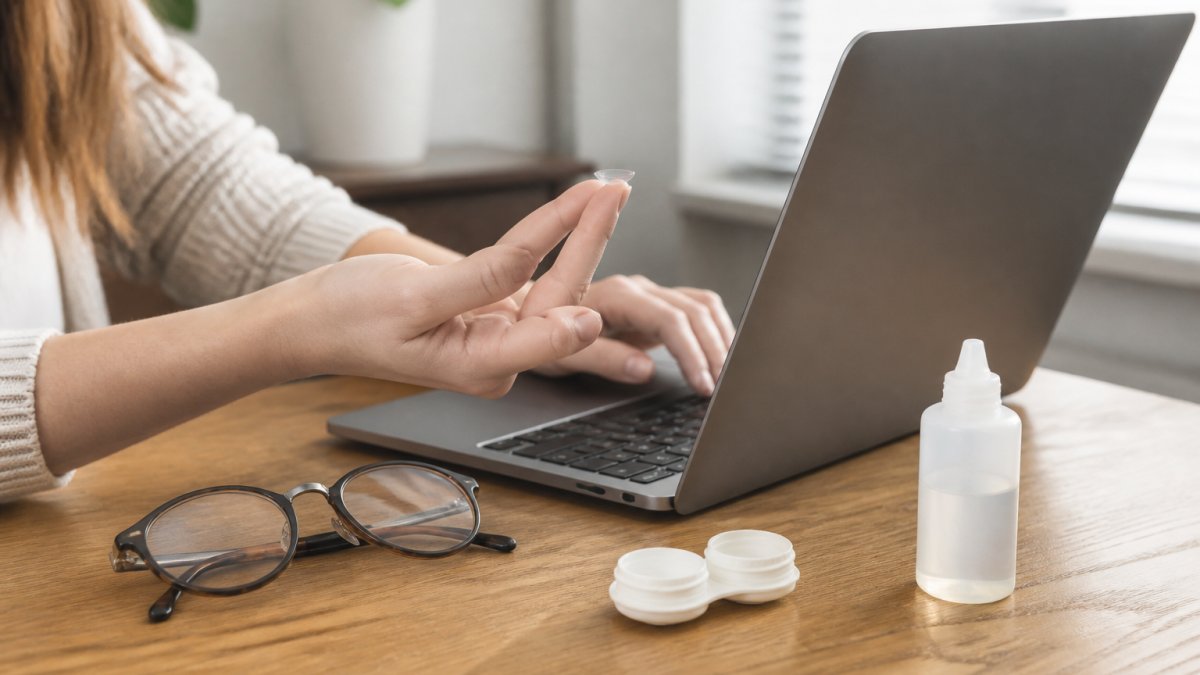
- Contact Lens Compatibility and Application Technique
- Cost-Benefit Analysis: Single-Use vs Bulk Bottles
- When to Consult an Eye Care Professional
- Frequently Asked Questions
Last Updated: August 26, 2026
What Are Preservative-Free Eye Drops and Why They Matter
Preservative-free eye drops are lubricating formulations without chemical additives, packaged in single-dose vials or specialized containers that eliminate the need for preservatives. If you've experienced irritation, redness, or burning after using standard eye drops, the culprit is often the preservative, not the lubricant itself.
The ocular surface is delicate. Repeated exposure to preservative chemicals damages the tear film and corneal epithelium, leading to chronic dry eye syndrome. This is where preservative-free eye drops become essential. At Wilck Schwartz & Novak OD PC, we counsel patients on this distinction regularly, especially those managing persistent dry eye or sensitivity.
The difference between a standard drop and a preservative-free formula can mean the difference between temporary relief and sustainable ocular health. Preservative-free drops are particularly important for people who need frequent dosing, those with sensitive eyes, or anyone using drops multiple times daily. Single-dose vials ensure sterility without chemical additives, eliminating contamination risk while providing the lubricant your ocular surface actually needs.
Common Eye Drop Preservatives to Avoid
Understanding what's in your eye drops is the first step toward making an informed choice. Most multi-dose bottles rely on preservatives to prevent bacterial growth, but these chemicals accumulate on your ocular surface with each application.
Benzalkonium Chloride and Other Chemical Additives
Benzalkonium chloride (BAC) is the most common preservative in eye drops. It's effective at preventing contamination, but it comes with a cost. BAC is a quaternary ammonium compound that can cause corneal irritation, particularly with chronic use. It binds to cell membranes and disrupts the protective layer of your tear film, leading to hypersensitivity, increased redness, and paradoxically, worsening dry eye symptoms.
Other preservatives to watch for include sodium chlorite and sodium hypochlorite (oxidizing agents), thimerosal (mercury-based, now less common), polyhexamethylene biguanide or PHMB (used in contact lens solutions), and sorbic acid and potassium sorbate (can trigger allergic reactions).
The key insight: preservatives exist to protect the product, not your eyes. A preservative that prevents bacterial growth may simultaneously damage the corneal epithelium with daily use. This is why ophthalmologists and optometrists increasingly recommend preservative-free alternatives for patients using drops more than four times daily.
How to Read Labels and Identify Hidden Preservatives
Reading an eye drop label requires knowing what to look for. Manufacturers must list all active and inactive ingredients, but preservatives aren't always labeled as such, they're listed by chemical name.
Start with the ingredient list. If you see benzalkonium chloride listed, that's a multi-dose drop with a preservative. Single-dose vials will explicitly state "preservative-free" or "no preservatives added." Check the package format: single-dose vials are inherently preservative-free because each is used once and discarded. Multi-dose bottles require preservatives unless they use a special delivery system.
Look for terms like "sterile," "single-use," or "unit-dose" on the label. If the label says "multi-dose" or "for repeated use," assume it contains a preservative unless explicitly stated otherwise. Ask your eye care provider which specific brands they recommend.
Single-Dose vs Multi-Dose Eye Drop Vials: Which Is Right for You
The choice between single-dose and multi-dose formats affects both your eye health and long-term costs.
Single-dose vials offer guaranteed sterility and no preservatives. Each vial contains one application, sealed until use. Once opened, you apply the drop and discard the vial. This eliminates contamination risk and the need for preservatives. The downside: single-dose vials generate significant plastic waste, and the per-application cost is higher than multi-dose bottles.
Multi-dose bottles allow you to use the same container for weeks or months, with lower initial cost per application. However, preservatives are necessary to keep the solution sterile across multiple uses. Each time you open the bottle, you expose the remaining liquid to air and potential contamination.
For occasional use (once or twice daily), a multi-dose bottle with a gentler preservative may be acceptable. For frequent use or sensitive eyes, single-dose vials are the better choice despite higher cost.
Sterility, Shelf Life, and Storage Considerations
Sterility is non-negotiable for eye drops. Any contamination can lead to serious infections or permanent vision loss.
Single-dose vials maintain sterility through packaging design. The vial is sealed until use, and since you use the entire contents immediately, sterility is guaranteed. Shelf life for unopened single-dose vials typically extends 12-24 months from the manufacturing date.
Multi-dose bottles rely on preservatives to maintain sterility after opening. Most remain effective for 28 days after opening. After this period, discard the bottle even if it appears full.
Keep all eye drops at room temperature, away from direct sunlight and heat. Never store drops in a car, bathroom medicine cabinet, or near a window. Temperature extremes degrade active ingredients and compromise the preservative system. For single-dose vials, check the expiration date on the box and store in a cool, dry place. Once opened, use immediately.
How Often to Use Artificial Tears for Dry Eye Relief
The frequency of artificial tear use depends on the severity of your dry eye symptoms and underlying cause.
For mild, occasional dryness, using artificial tears two to four times daily may be sufficient. For moderate dry eye syndrome, four to six applications daily is common, upon waking, mid-morning, after lunch, mid-afternoon, evening, and before bed. Severe or chronic dry eye often requires eight to ten applications daily or more.
A practical guideline: if you're using the same eye drop more than six times daily, switch to a preservative-free formula. The cumulative exposure to preservatives with high-frequency use significantly increases the risk of corneal irritation. Consistency matters as much as frequency, establish a routine with drops at predictable times, adjusted based on your symptoms. Maintaining regular dosing prevents symptoms from escalating.
Who Needs Preservative-Free Formulas Most
Certain groups benefit dramatically from switching to preservative-free eye drops.
Contact lens wearers are prime candidates. Preservatives can accumulate on lens surfaces, causing irritation. If you wear lenses throughout the day, preservative-free drops minimize this risk. Some preservatives (particularly BAC) are incompatible with certain lens materials.
People with chronic dry eye syndrome need preservative-free drops if they use artificial tears more than four times daily. Cumulative exposure to preservatives accelerates corneal epithelial damage, paradoxically worsening the condition. This is particularly true for those with Sjögren's syndrome or other autoimmune conditions affecting tear production.
Individuals with sensitive eyes or a history of allergic reactions to eye medications should use preservative-free formulations. Preservative sensitivity is real, some people develop hypersensitivity reactions manifesting as redness, swelling, or intense burning. Switching to preservative-free drops often resolves these symptoms within days.
Post-operative patients following LASIK, cataract surgery, or corneal procedures benefit from preservative-free drops during healing. The cornea is compromised during these procedures, and exposing it to preservatives during the critical healing window increases inflammation and delays recovery.
Contact Lens Compatibility and Application Technique
Not all eye drops are safe to use while wearing contact lenses. Understanding compatibility prevents lens damage and ensures your drops provide actual relief.
Preservative-free drops are generally safe for use with all lens types, soft, rigid gas-permeable, and specialty lenses. The absence of preservatives means nothing harmful accumulates on the lens surface. Some preservative-containing drops are compatible with certain lenses but not others. Soft contact lenses are particularly absorptive and can soak up preservatives. Always check the lens manufacturer's recommendations for compatible drops.
The proper application technique ensures the drop reaches your eye without contaminating the lens or your fingers. Wash your hands thoroughly with soap and water, then dry completely. Remove your contact lens before instilling a preservative-containing drop, or keep the lens in place if using a preservative-free formula safe for lens wearers.
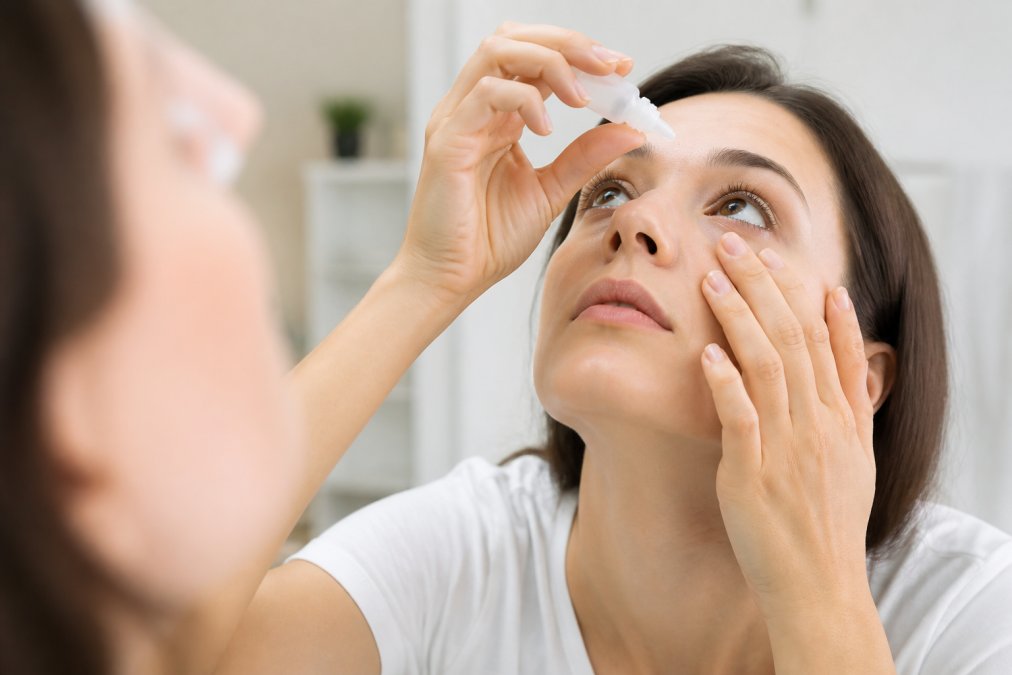
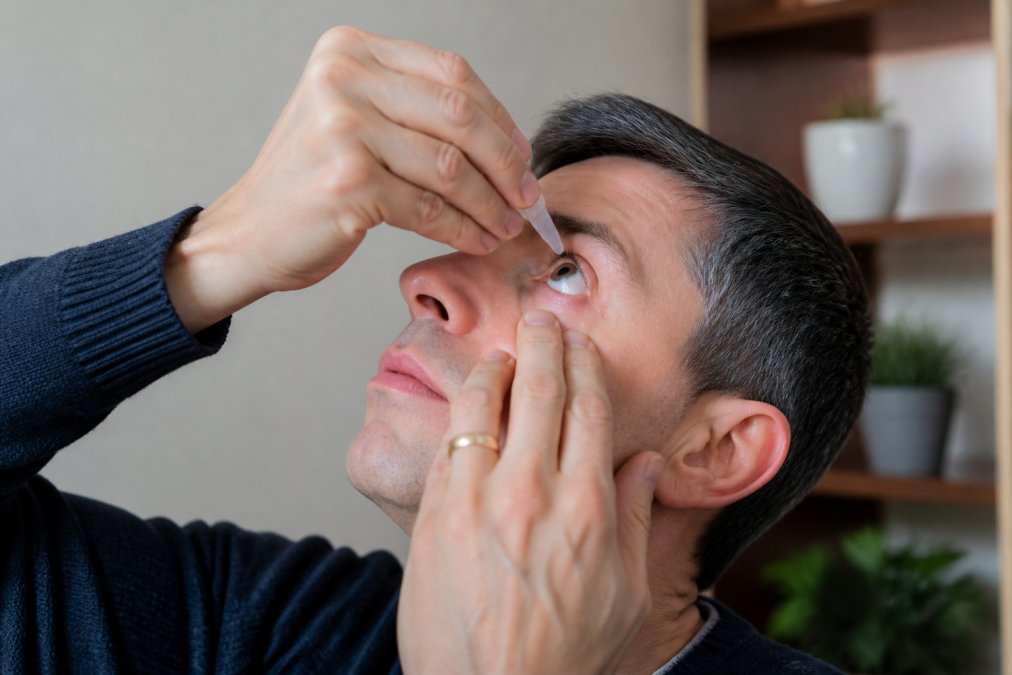
Tilt your head back slightly and look upward. Gently pull down your lower eyelid to create a small pocket. Hold the bottle or vial above your eye, not touching the eye or eyelid, and squeeze one drop into the pocket. Close your eye gently and blink several times to distribute the drop. Discard single-dose vials immediately after use.
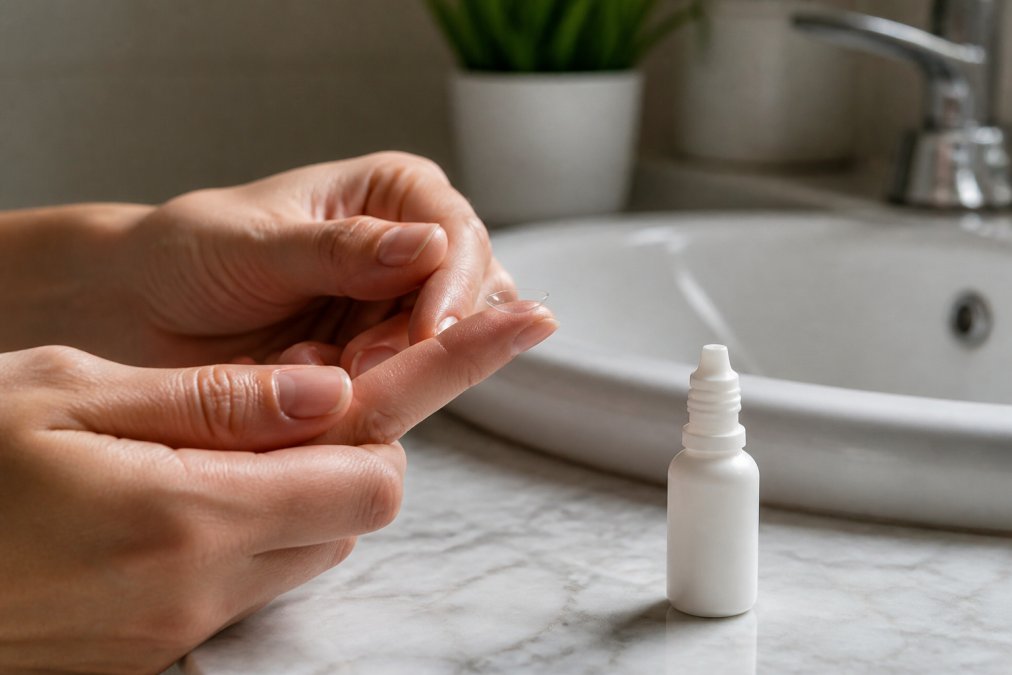
If you wear lenses and use a drop that requires removal, wait at least 15 minutes before reinserting the lens. For preservative-free drops, you can reinsert the lens immediately after application.
Cost-Benefit Analysis: Single-Use vs Bulk Bottles
The financial comparison between single-dose vials and multi-dose bottles requires looking beyond the sticker price to total cost of ownership and health outcomes.
For people with sensitive eyes, chronic dry eye, or high-frequency drop use, the improved comfort and reduced risk of complications may justify a higher cost.
The practical recommendation: if you use drops fewer than three times daily and tolerate multi-dose bottles well, cost savings may be realized. If you use drops more than four times daily, have sensitive eyes, or experience irritation with multi-dose formulations, consider preservative-free drops.
When to Consult an Eye Care Professional
While over-the-counter eye drops address many cases of mild dryness, certain situations require professional evaluation.
Schedule an appointment if your dry eye symptoms persist despite consistent use of artificial tears for two weeks. Persistent dryness often signals an underlying condition, reduced tear production, meibomian gland dysfunction, or ocular surface disease, that requires diagnosis and targeted treatment beyond generic lubrication.
Sudden onset of eye redness, pain, or vision changes warrants immediate evaluation. These symptoms may indicate infection, corneal abrasion, or acute inflammation.
If you experience burning, stinging, or increased irritation after switching to a new eye drop, contact your eye care provider. This may indicate preservative sensitivity, allergic reaction, or incompatibility with your ocular surface.
Contact lens wearers who develop persistent discomfort despite trying multiple drops should have their lens fit evaluated. Poor fit causes dryness and irritation that no drop can fully resolve.
At Wilck Schwartz & Novak OD PC, we recommend annual comprehensive eye exams for anyone using eye drops regularly. These exams assess tear film quality, corneal health, and overall ocular surface condition. If you're considering LASIK or other refractive surgery, discuss your current eye drop regimen with your surgeon.
Choosing the right eye drops means understanding what goes into your eyes and why it matters. Preservative-free formulations eliminate unnecessary chemical exposure, particularly important if you use drops frequently or have sensitive eyes. The decision between single-dose vials and multi-dose bottles involves balancing cost, convenience, and ocular health.
At Wilck Schwartz & Novak OD PC, we help patients navigate this choice through comprehensive eye exams and personalized recommendations. Our advanced optometric equipment allows us to assess your tear film composition, corneal health, and specific dry eye characteristics, information that guides the right drop selection for your situation. If your current drops aren't providing relief or you're uncertain whether you need preservative-free formulations, schedule an appointment to discuss your options with our team. We're committed to finding solutions that work for your eyes.
| Format | Cost Per Application | Preservative-Free | Best For | Shelf Life After Opening |
|---|---|---|---|---|
| Single-dose vial | Consult our office for current pricing | Yes | Frequent users, contact lens wearers, sensitive eyes | N/A (use immediately) |
| Multi-dose bottle (standard) | Consult our office for current pricing | No | Occasional users, budget-conscious | 28 days |
| Multi-dose bottle (gentle preservative) | Consult our office for current pricing | No | Moderate users, some sensitivity | 28-30 days |
EXTERNAL CITATIONS:
The preservative benzalkonium chloride's effects on corneal epithelium are documented in clinical research on preservative toxicity published by the American Academy of Ophthalmology. Additionally, the FDA's guidance on ophthalmic preservatives and their safety profiles provides regulatory context for what's permitted in eye drop formulations. For contact lens compatibility, the American Optometric Association's recommendations on lens care and drop selection offers evidence-based guidance for lens wearers choosing appropriate formulations.
Frequently Asked Questions
Q: What are the benefits of using preservative-free eye drops?
A: Preservative-free eye drops reduce the risk of corneal irritation and hypersensitivity reactions that can develop from long-term exposure to chemical additives. They're gentler on the ocular surface and tear film, making them ideal for people with chronic dry eye syndrome or those who use artificial tears multiple times daily. Single-dose vials also eliminate contamination risk and are safer for sensitive eyes.
Q: How can I tell if my eye drops contain preservatives?
A: Check the ingredient list on the bottle or packaging for common preservatives like benzalkonium chloride (BAC), sodium chlorite, or disodium EDTA. Products labeled 'preservative-free' or 'single-dose' typically use sealed unit-dose vials instead of chemical additives. If the label lists multiple chemical additives beyond the active lubricant ingredient, it likely contains preservatives. When in doubt, ask your eye care provider.
Q: Are preservative-free eye drops safe for daily use?
A: Yes, preservative-free eye drops are safe for daily use and are actually recommended for frequent users. Because they lack chemical additives that can accumulate on the corneal epithelium, they carry less risk of long-term toxicity or sensitivity. Many people with dry eye syndrome use them multiple times per day without adverse effects. However, if you experience persistent eye redness or burning sensation, consult an eye care professional.
Q: Do preservative-free eye drops expire faster than regular drops?
A: Single-dose preservative-free vials have a shelf life of 1-2 years when stored properly, similar to preserved drops. However, once opened, single-dose vials must be used immediately and discarded. Multi-dose bottles without preservatives are less common and typically have shorter shelf life after opening. Proper storage in a cool, dry place away from direct sunlight helps maintain sterility and effectiveness throughout the product's shelf life.
This article was written using GrandRanker