 how-to
How to Find Comfortable Contacts: A Step-by-Step Guide
Table of Contents
- Why a Professional Contact Lens Fitting Matters
- Understanding Contact Lens Materials and Oxygen Permeability
- Best Contact Lenses for Dry Eyes
- Daily Disposable vs. Monthly Replacement Lenses
- Signs Contact Lenses Don't Fit Properly
- How to Make Contact Lenses More Comfortable
- When to Schedule a Follow-Up Fitting
- Frequently Asked Questions
Last Updated: August 18, 2026
Why a Professional Contact Lens Fitting Matters
Aprofessional contact lens fitting is the foundation for comfortable contacts. Without it, you're essentially guessing at what will work for your eyes, and most guesses lead to discomfort, irritation, or abandonment of contacts altogether.
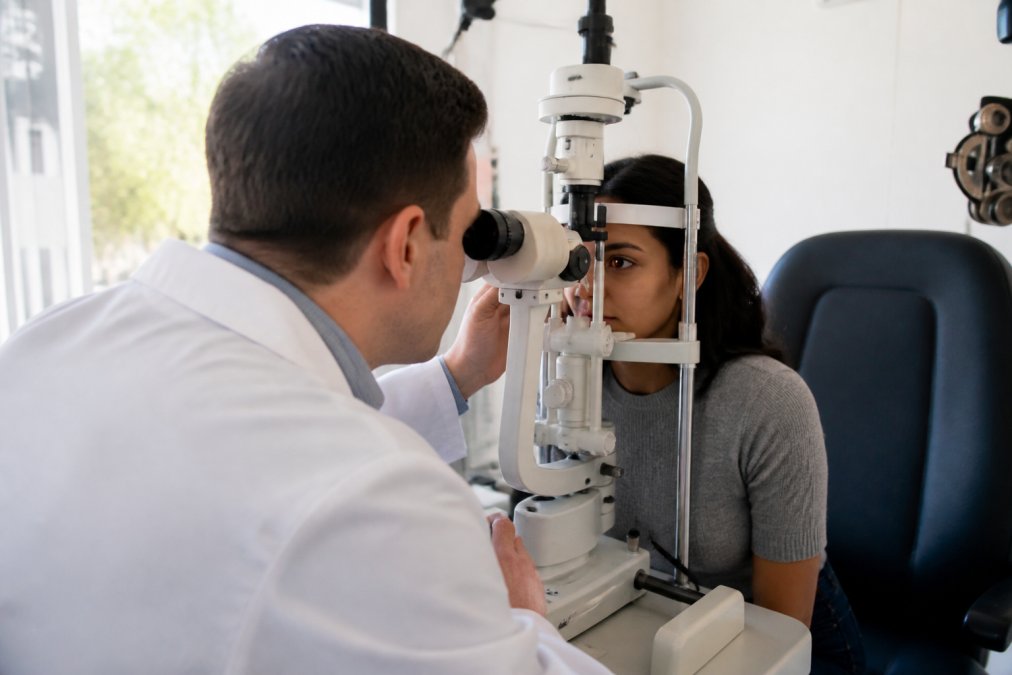
During a comprehensive fitting, an eye care professional measures your corneal curvature, assesses your tear film quality, and evaluates your overall ocular surface. These measurements determine which base curve, lens diameter, and material will work with your eye's unique geometry. A lens that's even slightly off in base curve or diameter will cause edge irritation, poor oxygen transmission, or constant awareness of the lens, all reasons people abandon contacts after a few weeks.
At Wilck Schwartz & Novak OD PC, the fitting process uses advanced optometric equipment to evaluate how a lens sits on your eye, how it moves with your blink, and whether your tear film can sustain it throughout the day. Two people with identical prescriptions can have completely different comfort experiences because their corneal shapes, tear production, and eyelid tension differ. A professional fitting captures those differences and matches them to the right lens material and parameters.
Understanding Contact Lens Materials and Oxygen Permeability
Contact lens materials fall into two main categories: hydrogel and silicone hydrogel. The material you choose directly affects how much oxygen reaches your cornea, how much moisture the lens retains, and ultimately, how comfortable you'll be wearing them.
Silicone hydrogel vs. hydrogel materials
Silicone hydrogel lenses transmit significantly more oxygen to your cornea than traditional hydrogel lenses. This difference is measured in oxygen permeability, expressed as Dk/t (oxygen transmissibility). Higher Dk/t values mean more oxygen reaches your eye, reducing corneal swelling and irritation, especially during extended wear.
Hydrogel lenses are softer and often feel more comfortable initially, but they retain less oxygen, which can lead to corneal edema (swelling) and discomfort after several hours of wear. For daily wear of eight or more hours, silicone hydrogel is typically the better choice. Silicone hydrogel lenses may feel slightly stiffer initially, but once adjusted, the improved oxygen permeability usually translates to noticeably better comfort and healthier corneal tissue over time.
How oxygen permeability affects comfort
Your cornea doesn't have blood vessels; it gets oxygen directly from the air. When you wear a contact lens, you're creating a barrier between your cornea and the atmosphere. The lens material's oxygen permeability determines how much oxygen can still reach your corneal surface.
Low oxygen permeability causes hypoxia, where your cornea isn't getting enough oxygen. Early signs include redness, mild irritation, and tired eyes by the end of the day. Prolonged hypoxia can lead to corneal neovascularization (blood vessels growing into the cornea where they shouldn't be), a serious condition that can compromise vision. Silicone hydrogel materials were developed specifically to solve this problem by incorporating silicone into the polymer structure, increasing oxygen transmissibility without sacrificing comfort.
Best Contact Lenses for Dry Eyes
Dry eye syndrome while wearing contacts is one of the most common reasons people stop wearing them. The right combination of lens material, solution, and wearing schedule can significantly reduce dry eye symptoms.
Identifying dry eye symptoms while wearing contacts
Dry eye symptoms while wearing contacts often feel different from regular dry eyes. You might notice the lens feeling dry on your eye, increased awareness of the lens throughout the day, or a scratchy sensation that worsens as the day progresses. Some people experience fluctuating vision, where their sight clears and blurs intermittently as the tear film redistributes across the lens surface.
The underlying issue is usually that the lens is absorbing moisture from your tear film faster than your eyes can replenish it. If you're experiencing these symptoms, don't assume contacts aren't for you, it often means you need a different lens material or wearing schedule.
Lens materials and solutions for dry eye relief
For dry eye, silicone hydrogel lenses with higher water content tend to perform better than traditional hydrogels. Materials like Senofilcon A and Comfilcon A have been specifically designed to maintain hydration and reduce protein deposits that can worsen dryness.
Daily disposable lenses are particularly helpful for dry eye because you start with a fresh, clean lens every day. Protein and lipid buildup on reusable lenses can impair the lens's wettability over time. With daily disposables, you eliminate that accumulation entirely.
Equally important is the contact lens solution you use. Preservative-free solutions are gentler on dry eyes than solutions containing preservatives. Hydrogen peroxide-based systems or solutions specifically formulated for sensitive eyes work well. Supplemental eye drops designed for contact lens wearers can provide relief during the day, especially if you work on screens.
Daily Disposable vs. Monthly Replacement Lenses
The choice between daily disposables and monthly replacement lenses affects comfort, convenience, and long-term eye health.
Daily disposable lenses eliminate the need for cleaning and storage. You wear a fresh lens each day and discard it at night. This means zero protein deposits, zero lipid accumulation, and zero exposure to contaminated solution or storage case bacteria. For people with sensitive eyes, allergies, or a history of lens intolerance, daily disposables are often the game-changer that makes contacts work.
Monthly replacement lenses require daily cleaning with fresh solution and proper storage in a clean case. The advantage is cost; monthly lenses are significantly cheaper per wear than daily disposables. The disadvantage is that deposits accumulate on the lens surface over the month, gradually reducing oxygen permeability and wettability. By week three or four, comfort often declines.
If you're prioritizing comfort above cost, daily disposables win. If you're on a tight budget and have healthy eyes with no history of dry eye or allergies, monthly lenses can work fine with rigorous hygiene compliance.
Signs Contact Lenses Don't Fit Properly
A lens that doesn't fit properly will signal discomfort in specific ways. Learning to recognize these signals helps you distinguish between a fit problem and other issues.
Discomfort sensations and what they mean
Edge irritation, a scratchy, uncomfortable feeling at the edge of your vision or along the white of your eye, usually means the lens diameter is too small or the base curve is too steep. This is one of the most common fit problems and one of the easiest to fix with a fitting adjustment.
Lens awareness, constant consciousness that something is on your eye, often indicates the lens is too large or too loose. The lens is moving more than it should with your blink, and your eye is registering that movement. A tighter base curve or smaller diameter usually resolves this.
Central discomfort or pressure in the middle of your eye suggests the lens is too tight or the base curve is too steep. This typically requires a flatter base curve or looser fit.
Lens slippage, the lens sliding down your eye or off-center, indicates the lens is too loose. This can blur your vision intermittently.
Checking for inside-out lenses and other fit issues
An inside-out lens (inverted lens) feels uncomfortable because the lens edges are pointing inward instead of outward. Place the lens on the tip of your index finger and look at its shape. A correctly oriented lens looks like a cup or bowl. An inside-out lens looks like a saucer or has edges that flare outward.
Another common fit issue is lens rotation, particularly relevant if you wear toric lenses for astigmatism. If your vision is blurry or fluctuates, the lens might be rotating on your eye instead of staying stable. If you're experiencing persistent discomfort despite trying different materials and solutions, schedule a follow-up fitting. Sometimes a 0.5 mm difference in base curve or diameter makes the difference between comfortable all-day wear and constant irritation.
How to Make Contact Lenses More Comfortable
Once you have a properly fitted lens, several practices can enhance comfort and extend how long you can wear them throughout the day.
Proper lens hygiene and cleaning routines
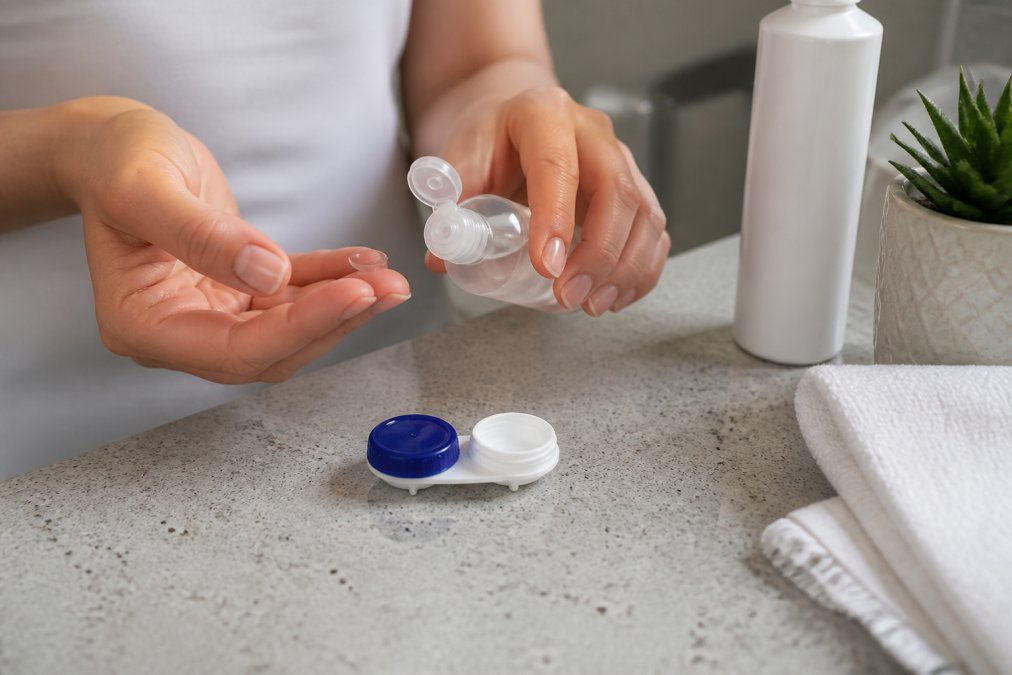
Start with clean hands every time you handle lenses. Wash your hands with soap and water, then dry them thoroughly with a lint-free towel.
Clean your lens case daily. Empty it, rinse it with fresh contact lens solution (not tap water), and allow it to air dry. Replace your lens case every three months. Use fresh solution every time you store your lenses. Never top off old solution in your case, as this reduces the solution's antimicrobial effectiveness.
When cleaning your lenses, rub them gently with fresh solution on your fingertip for a few seconds. This mechanical action removes protein deposits and lipid buildup more effectively than just soaking.
Contact lens solution compatibility
Not all solutions work equally well with all lens materials. Check your lens packaging or ask your eye care provider which solutions are recommended for your specific lens. If you're experiencing increased irritation or deposits after switching solutions, that's a compatibility issue.
Hydrogen peroxide-based systems are excellent for cleaning and disinfection but require a neutralizing step before lens insertion. These systems are particularly good for people with solution sensitivity or significant protein buildup. If you're dealing with dry eye or sensitivity, consider upgrading to a hydrogen peroxide system or a preservative-free solution.
Managing digital eye strain and environmental factors
Extended screen time reduces your blink rate, which means less tear film distribution across your contact lens. If you work on a computer for eight or more hours daily, take a 20-second break every 20 minutes to look at something distant and blink deliberately several times.
Environmental factors like low humidity, air conditioning, or heating systems can dry out your eyes and make contacts feel uncomfortable. Using rewetting drops designed for contact lenses provides relief. If you wear contacts in dusty, smoky, or polluted environments, consider switching to daily disposables for those situations.
Allergies can make contact lens wear uncomfortable because allergens can get trapped under the lens. If you have seasonal allergies, ask your eye care provider about lens materials and solutions that work best during high pollen seasons.
When to Schedule a Follow-Up Fitting
Your first contact lens fitting is just the beginning. Follow-up visits ensure your lenses continue to work well as your eyes change and as new lens technologies become available.
Schedule a follow-up fitting if you're experiencing persistent discomfort despite trying different solutions or rewetting drops. Discomfort that lasts more than a week usually indicates a fit issue that requires adjustment. Even if you're comfortable, annual check-ups are important. Your corneal curvature can shift subtly over time, and your tear film production can change due to age, medication, or health conditions. If you're interested in trying new lens materials or recent advances in contact lens technology, ask about them at your next visit.
Finding comfortable contacts isn't about trial and error, it's about starting with a professional fitting that matches your lens parameters to your eye's unique geometry, selecting a lens material suited to your tear film and lifestyle, and maintaining rigorous hygiene practices that keep your lenses clean and your eyes healthy.
At Wilck Schwartz & Novak OD PC, the team specializes in contact lens fittings for patients who've had difficulty finding comfort elsewhere. Using advanced optometric equipment and a thorough assessment of your ocular surface, they identify the specific factors affecting your comfort and recommend tailored solutions. Schedule an appointment to find out what comfortable contacts can feel like.
| Comfort Issue | Likely Cause | Solution |
|---|---|---|
| Edge irritation | Lens diameter too small or base curve too steep | Adjust base curve or increase diameter |
| Lens awareness | Lens too loose or moving excessively | Tighten base curve or reduce diameter |
| Central pressure | Lens too tight or base curve too steep | Flatten base curve |
| Dry feeling by end of day | Low oxygen permeability or depleted tear film | Switch to silicone hydrogel or daily disposables |
| Fluctuating vision | Lens rotation or protein deposits | Verify fit or increase cleaning frequency |
| Persistent irritation | Solution incompatibility or contaminated case | Change solution brand or replace case |
External sources for further reading:
According to the American Academy of Ophthalmology, proper contact lens fitting and follow-up care are essential for maintaining corneal health and preventing complications.
Research from the journal Cornea demonstrates that silicone hydrogel materials significantly improve oxygen permeability compared to traditional hydrogel lenses, reducing the risk of corneal edema during extended wear.
The CDC's guidance on contact lens safety emphasizes the importance of daily lens case cleaning and solution replacement to prevent bacterial and fungal infections.
Frequently Asked Questions
What is the 20-20-20 rule for contact lens wearers?
The 20-20-20 rule helps reduce digital eye strain while wearing contacts. Every 20 minutes, look at something 20 feet away for 20 seconds. This gives your eyes a break from close-up focus and helps reduce dryness and fatigue. This practice is especially important if you spend long hours at a screen, as it refreshes your tear film and reduces lens-related discomfort throughout the day.
How do I know if I need a different brand of contact lenses?
If you experience persistent discomfort, redness, or dryness that doesn't improve with proper hygiene and solution changes, a different brand may help. Different materials have different oxygen permeability levels and water content, which affect comfort. Silicone hydrogel lenses, for example, allow more oxygen to reach your cornea than traditional hydrogels. A professional fitting can identify whether your current lenses are the issue or if it's a fit, solution, or hygiene problem instead.
Why do my contact lenses feel uncomfortable after a few hours?
Discomfort after a few hours often points to one of three issues: an improper fit, dehydration of the lens, or incompatibility with your contact lens solution. If the base curve or diameter doesn't match your corneal curvature, lenses can shift or create pressure points. Dehydration happens when lenses lose moisture, especially in dry environments or during screen time. Your tear film composition may also be incompatible with your current solution. A professional exam can pinpoint the exact cause and recommend the right material, fit, or solution for all-day comfort.
Can dry eyes be treated while wearing contact lenses?
Yes, dry eyes can be managed while wearing contacts through several approaches. Switching to silicone hydrogel lenses with higher oxygen permeability helps maintain corneal health. Using preservative-free rewetting drops designed for contact lens wearers provides relief without damaging the lenses. Proper lens hygiene, regular cleaning, and using a compatible solution are essential. In some cases, treating the underlying dry eye condition with your eye care provider's guidance, such as addressing blink rate during screen time or managing environmental factors, can significantly improve comfort while wearing contacts.
This article was written using GrandRanker