 ultimate-guide
Risks of Wearing Contact Lenses Overnight
Table of Contents
- Why Sleeping in Contact Lenses Is Dangerous
- The Real Risks of Wearing Contact Lenses Overnight
- Signs of Eye Infection From Contacts
- What to Do If You Accidentally Sleep in Your Lenses
- FDA Approved Extended Wear Contacts: What They Are and Are Not
- Proper Contact Lens Hygiene to Reduce Risk
- Frequently Asked Questions
Last Updated: September 7, 2026
Sleeping in your lenses is one of the most common, and most preventable, causes of serious eye damage. The risks of wearing contact lenses overnight range from mild discomfort to infections that can threaten permanent vision loss. Below, we break down what happens to your eye, the warning signs, and the recovery steps that matter most.
Why Sleeping in Contact Lenses Is Dangerous
Your cornea is the only tissue in your body that gets oxygen directly from the air rather than from blood vessels (the NIH). When you close your eyelids and wear a lens, you interrupt that oxygen supply, the core problem behind the risks of wearing contact lenses overnight.
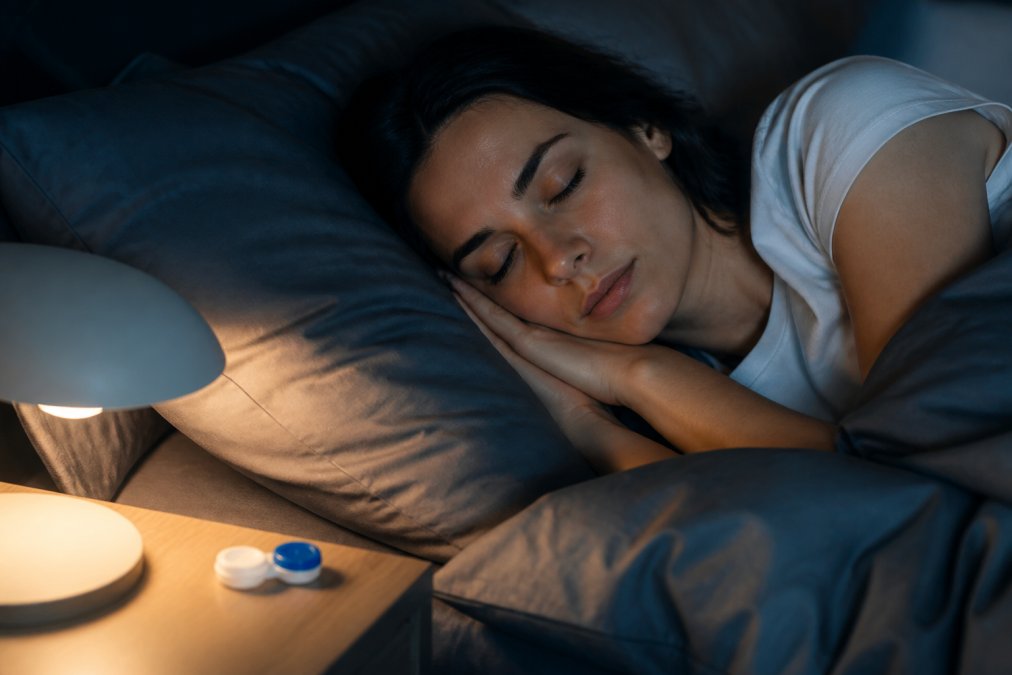
A contact lens acts as a barrier between your cornea and the oxygen-rich tear film. During sleep, your eyes produce fewer tears, so debris and bacteria that would normally be washed away remain trapped against the lens.
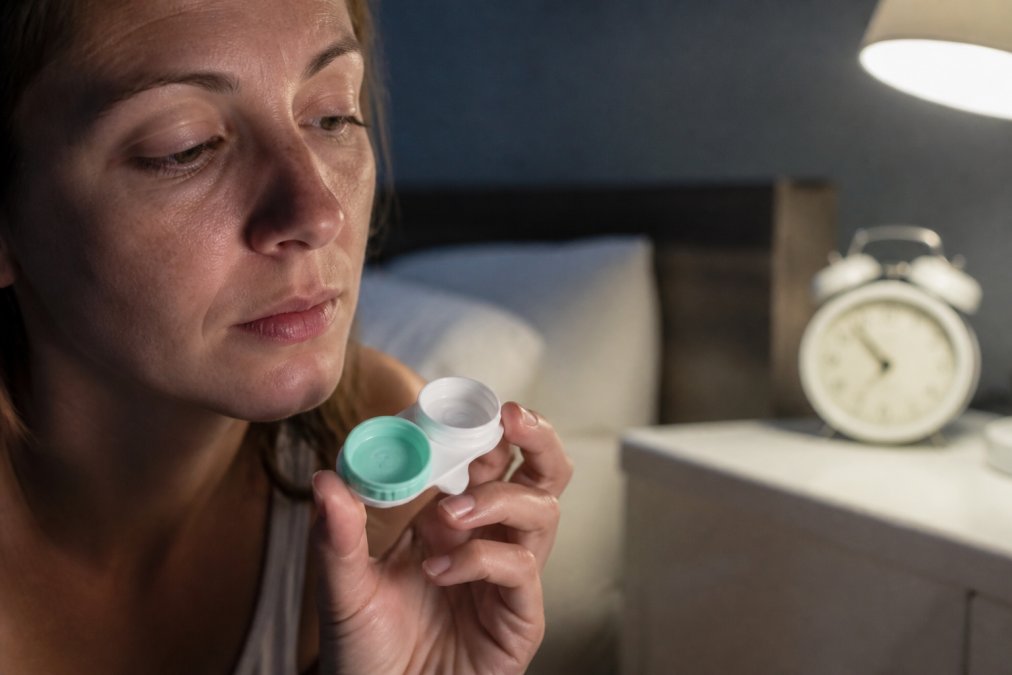
The cornea lacks pain receptors that alert you to early damage, which is why many people sleep in their contacts repeatedly without immediate consequences. Damage accumulates silently until an infection or structural change becomes noticeable.
The Real Risks of Wearing Contact Lenses Overnight
The specific complications from overnight wear fall into a few distinct categories, each with its own timeline and severity.
Microbial Keratitis and Corneal Ulcers
Microbial keratitis is an infection of the cornea caused by bacteria, fungi, or other pathogens. Sleeping in lenses is a leading risk factor because it gives these organisms a warm, moist environment and a compromised surface to invade.
A corneal ulcer is an open sore that can develop when microbial keratitis goes untreated. This condition is genuinely sight-threatening: what begins as irritation can progress to scarring, and scarring in the central visual axis can permanently reduce vision.
Corneal Hypoxia and Neovascularization
Corneal hypoxia is the medical term for oxygen deprivation of the cornea. When your cornea is starved of oxygen repeatedly, your body grows new blood vessels into it to deliver oxygen directly. This process, called neovascularization, is problematic because these vessels are fragile and can leak, distorting vision.
The corneal epithelium, the outermost layer of your cornea, also suffers under hypoxic stress, becoming thinner and less able to resist infection.
Signs of Eye Infection From Contacts
The signs of eye infection from contacts are not always dramatic at first. Early symptoms include persistent redness, a feeling that something is in your eye even after you remove the lens, and increased tearing or discharge. Many dismiss these as allergies or dry eye, delaying treatment.
More serious indicators include sensitivity to light, blurred vision that does not clear with blinking, and pain that worsens rather than improves. If you experience any of these after sleeping in your lenses, remove the lenses immediately and do not put them back in.
| Symptom | What It May Indicate | Recommended Action |
|---|---|---|
| Mild redness and irritation | Early irritation or dry eye | Remove lenses, use rewetting drops, monitor for 24 hours |
| Persistent foreign body sensation | Possible corneal abrasion | See an eye care professional promptly |
| Light sensitivity and blurred vision | Potential microbial keratitis | Seek urgent care the same day |
| Pain out of proportion to appearance | Possible corneal ulcer | Seek emergency eye care immediately |
What to Do If You Accidentally Sleep in Your Lenses
Waking up after accidentally sleeping in your contacts is a moment of panic for many wearers. Your first instinct might be to rip the lenses out immediately, that is exactly the wrong move. A rushed removal can tear the corneal epithelium, turning a manageable situation into an abrasion requiring weeks of treatment. Instead, follow this step-by-step recovery protocol.
Step 1: Assess Before You Touch
Before you do anything, wash your hands thoroughly with soap and water, then dry them with a lint-free towel. Touching your eyes with damp or dirty hands introduces additional bacteria to an already stressed cornea. Next, look in a mirror under bright light. If your eye is severely red, painful, or you cannot open it fully, go directly to urgent care or your eye doctor's office.
Step 2: Loosen, Don't Pull
If the lens feels stuck, do not pull at the edges, this is a sign it has adhered to the cornea due to overnight dehydration. Apply 2-3 drops of preservative-free rewetting solution or sterile saline directly onto the eye. Wait 3-5 minutes for the lens to rehydrate and release naturally. Blink gently several times to encourage movement. Only after the lens moves freely should you attempt removal.
Step 3: Remove and Inspect
Remove the lens using your usual technique, but do so slowly and gently. Once removed, inspect it. If it appears cloudy, has a torn edge, or feels rough, discard it immediately. Do not attempt to clean and reuse a lens worn overnight, the protein deposits and bacterial biofilm that accumulate during sleep cannot be reliably removed with standard cleaning solutions.
Step 4: The 24-Hour Rule
After removal, do not reinsert any contact lens for at least 24 hours. This gives your corneal epithelium time to recover from hypoxic stress and any micro-abrasions. Wear your glasses instead.
Step 5: Monitor for 48 Hours
The most dangerous complications from overnight wear do not always appear immediately. Microbial keratitis can take 24-48 hours to develop noticeable symptoms. For the next two days, monitor your eye for these warning signs:
- Redness that worsens rather than fades over time
- A persistent feeling that something is in your eye after the lens is out
- Light sensitivity, especially if it makes you squint indoors
- Blurred vision that does not clear with blinking
- Discharge that is yellow, green, or unusually thick
The Behavioral Fix: Why You Keep Doing It
Most articles tell you what to do after the mistake, but few address why it keeps happening. The most common triggers for accidental overnight wear are not carelessness, they are exhaustion, unplanned naps, and disrupted routines.
A practical prevention strategy is to build a physical barrier between you and your bed. Keep your lens case and solution on your nightstand, not in the bathroom. When exhausted, the walk to the bathroom is often enough friction to make you skip removal. If your case is within arm's reach, removal takes 30 seconds and requires no willpower.
Another effective hack is to set a nightly phone reminder that says "Lenses out" at a specific time, rather than relying on the moment you feel tired. Many patients find that pairing lens removal with another nightly habit, such as brushing their teeth, makes the behavior automatic. If you consistently fall asleep in your lenses despite these strategies, talk to your eye care professional about whether daily disposables are appropriate for your lifestyle.
FDA Approved Extended Wear Contacts: What They Are and Are Not
The phrase "FDA approved for extended wear" sounds like a green light for sleeping in your lenses every night. The reality is more nuanced.
The Material Science: Hydrogel vs. Silicone Hydrogel
Traditional contact lenses are made from hydrogel, a water-absorbing plastic that transmits oxygen primarily through the water content of the lens. The problem is that water has a relatively low oxygen-carrying capacity. When you close your eye for sleep, the oxygen supply drops dramatically, and a hydrogel lens becomes a near-total barrier.
Silicone hydrogel lenses, introduced in the late 1990s and now the standard for extended wear, solve this by adding silicone, a material that transmits oxygen directly through the lens matrix rather than relying on water content (PubMed). This allows them to achieve oxygen permeability (Dk/t) values of 80-150 or higher, compared to 20-40 for traditional hydrogels. The cornea receives significantly more oxygen even with the eye closed, which is why these lenses received FDA approval for overnight wear.
What FDA Approval Actually Means
The FDA's extended wear approval is not a blanket endorsement of sleeping in contacts every night. It is a conditional clearance based on clinical trials showing that a specific lens, worn for a specified number of consecutive nights, carries an acceptable risk profile for a subset of patients.
What the approval does not mean:
- It does not mean zero risk. Even with the highest-oxygen silicone hydrogel lenses, the risk of microbial keratitis increases with every consecutive night of wear. Studies have indicated that the risk of microbial keratitis increases with extended wear compared to daily wear, even with modern silicone hydrogel materials (the CDC).
- It does not mean you are a candidate. The FDA approval is based on trials in healthy eyes with normal tear production. Patients with dry eye, blepharitis, or a history of corneal infections are typically poor candidates for extended wear, regardless of what the lens packaging claims.
- It does not mean your habits can stay the same. Extended wear lenses still require regular cleaning and replacement. Sleeping in a lens that has been worn for 16 hours during the day, then sleeping in it again the next night, compounds the protein buildup and bacterial contamination.
The Real-World Risk Profile
Most eye care professionals take a conservative approach to extended wear. A common pattern is to approve it for occasional naps or a single night, but to recommend removal every 2-3 nights for cleaning and corneal recovery. Some practitioners advise against routine overnight wear altogether, even with FDA-approved lenses.
The Financial Reality Check
There is also a cost dimension that rarely appears in discussions of extended wear. An episode of microbial keratitis requiring specialist care can incur significant costs, even with insurance. These potential costs can be substantial when compared to the annual cost difference between daily disposables and reusable extended wear lenses.
The Bottom Line
FDA approved extended wear contacts are a legitimate option for a narrow subset of patients who are carefully evaluated and monitored. They are not a license to ignore the fundamental risks of wearing contact lenses overnight. For the vast majority of wearers, the safest approach remains daily wear with removal before sleep.
Proper Contact Lens Hygiene to Reduce Risk
Proper contact lens hygiene is your strongest defense against complications from overnight wear.
Always wash and dry your hands before handling lenses. Use fresh solution every time you store your lenses; topping off old solution dilutes its disinfecting power. Replace your lens case every three months, as cases accumulate bacteria over time that can transfer to your lenses.
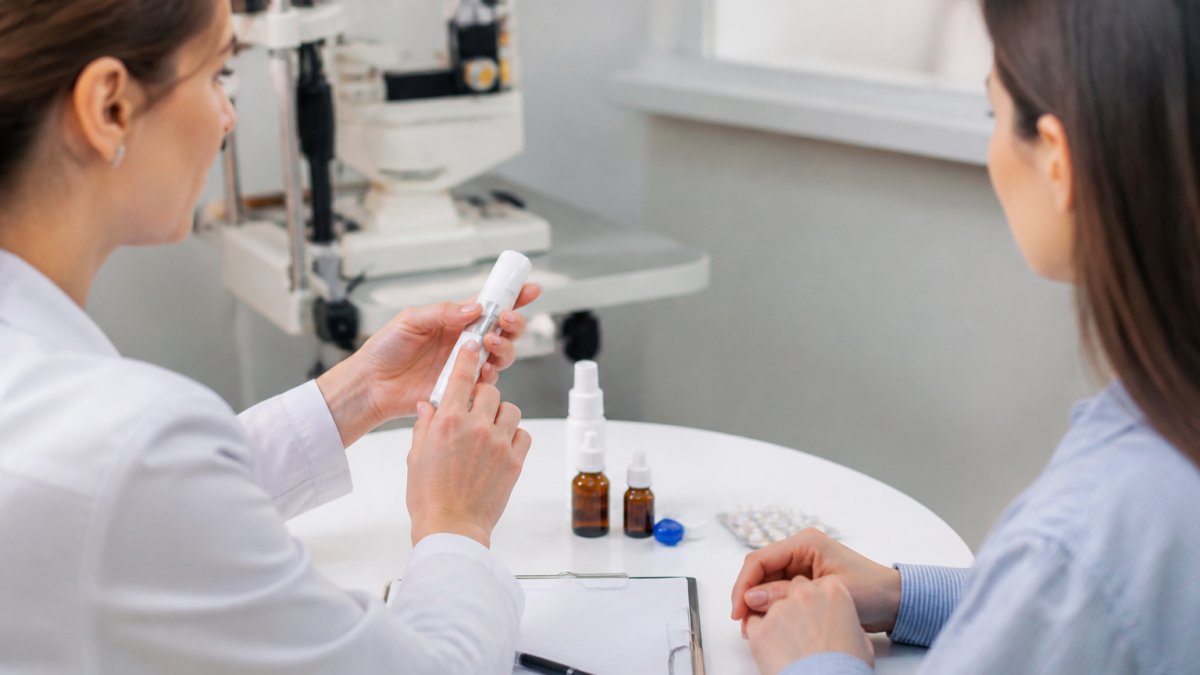
If you frequently fall asleep in your lenses due to fatigue or irregular schedules, speak with your eye care professional about whether daily disposable lenses are a better fit for your lifestyle.
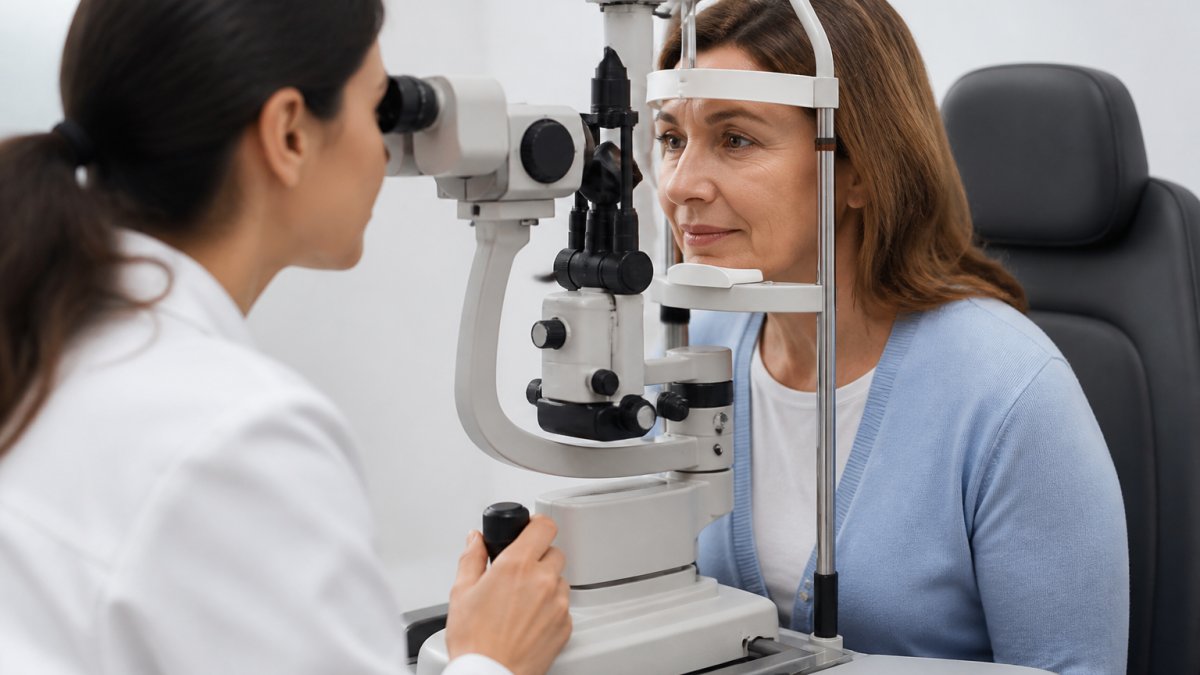
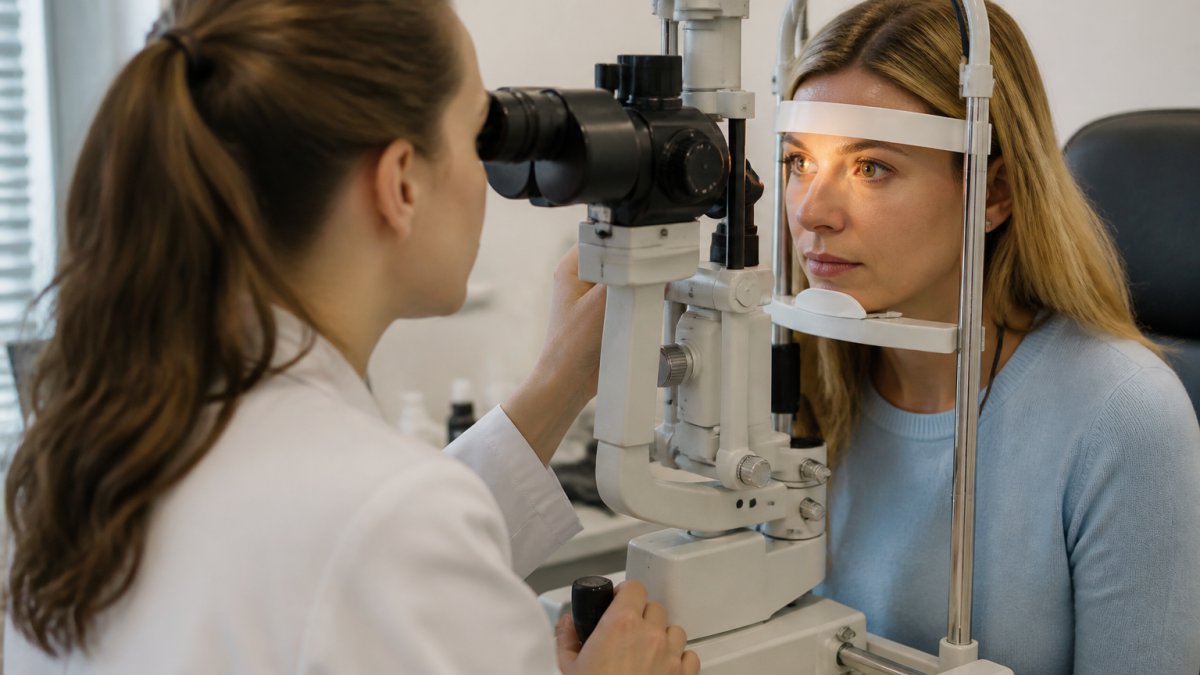
Routine eye exams play a critical role in catching early signs of corneal stress before they become permanent. An optometrist can detect changes in your corneal epithelium and blood vessel growth during a slit lamp examination, often before you notice any symptoms.
The risks of wearing contact lenses overnight are real, but they are also largely avoidable with consistent habits and prompt attention to any warning signs. If you have slept in your lenses and are concerned about your eye health, or if you simply want to confirm that your current routine is safe, schedule an appointment with Wilck Schwartz & Novak OD PC. Our team uses advanced diagnostic equipment to assess your corneal health and can help you find a lens option that fits your daily life without compromising your vision. Get started with Wilck Schwartz & Novak OD PC and protect your eyes for the long term.
Frequently Asked Questions
Is it bad to wear contacts overnight?
Yes, wearing contact lenses overnight increases your risk of eye infections, including microbial keratitis, by up to five times. Even one night of sleeping in your contacts can deprive your cornea of oxygen and create a breeding ground for bacteria. Your eyes need oxygen and tear flow to stay healthy, and lenses, even those labeled for extended wear, restrict this. If you accidentally sleep in your lenses, remove them as soon as you wake up and allow your eyes to rest. If you experience pain, redness, or blurry vision, contact your eye doctor immediately.
What are the symptoms of a corneal infection from contacts?
Common signs of eye infection from contacts include persistent redness, eye pain that gets worse, excessive tearing or discharge, blurred vision, and increased sensitivity to light. You might also feel a foreign body sensation, like something is stuck in your eye, even after you remove your lenses. These symptoms can indicate a corneal ulcer or microbial keratitis, which requires prompt treatment to prevent permanent vision damage. Do not wait for symptoms to resolve on their own. Contact your eye doctor right away for an evaluation if you experience any of these signs.
Can I take a 20-minute nap with contacts?
Short naps are a gray area, but the safest practice is to remove your contacts before any sleep. While a 20-minute nap poses less risk than sleeping for eight hours, it still creates a period where your cornea receives less oxygen and tears aren't circulating properly. If you nap in your contacts, you may wake up with dry, irritated eyes. Using rewetting drops after waking can help, but it doesn't eliminate the risk. If you regularly need naps, consider daily disposable lenses, which you can discard and replace with a fresh pair after waking.
What is the difference between daily wear and extended wear contact lenses?
Daily wear contact lenses are designed to be worn only during waking hours and must be removed, cleaned, and stored in solution each night. Extended wear lenses, which must be FDA approved, are approved for overnight wear for up to 30 nights in some cases. However, even with FDA approved extended wear contacts, sleeping in them still increases your risk of complications like corneal ulcers. The FDA approval indicates the lens material allows more oxygen to reach the cornea, but it does not make overnight wear risk-free. Your optometrist can help you decide which type is best for your eyes and lifestyle.