 blog
Is a Comprehensive Eye Exam Worth It for Adults?
Table of Contents
- What Is a Comprehensive Eye Exam?
- What Happens During a Comprehensive Eye Exam
- Comprehensive Eye Exam vs. Vision Screening
- How Often Should Adults Get an Eye Exam?
- Early Detection of Eye Diseases and Systemic Conditions
- The Real Value: Prevention vs. Treatment Costs
- Why Adults Skip Eye Exams (and Why They Shouldn't)
- Frequently Asked Questions
Last Updated: August 27, 2026
What Is a Comprehensive Eye Exam?
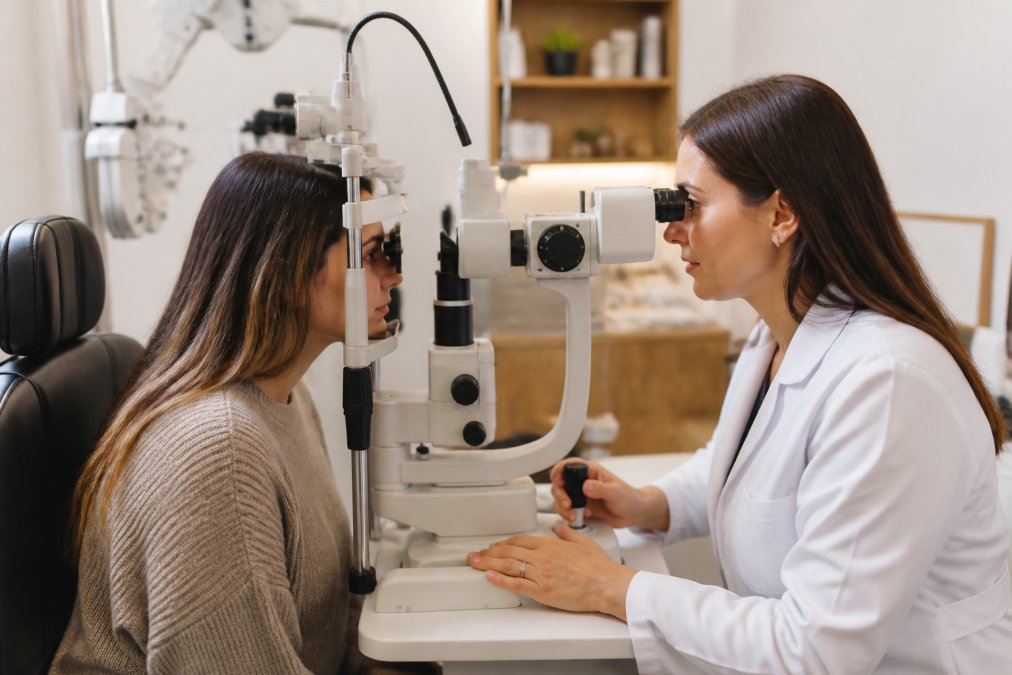
A comprehensive eye exam is a thorough evaluation of your eye health and vision performed by a qualified optometrist or ophthalmologist. Unlike a basic vision screening that simply checks whether you can read letters on a chart, a comprehensive eye exam assesses the overall health of your eyes, screens for disease, and evaluates how your vision affects your daily life. At Wilck Schwartz & Novak OD PC, we use advanced optometric equipment to examine every aspect of your eye health, from the front surface to the retina at the back.
The exam includes evaluation of your eye muscles, peripheral vision, color perception, depth perception, and the internal and external structures of your eyes. It typically takes 60 to 90 minutes and involves multiple tests designed to catch problems early, before they affect your vision or overall health (aao.org). Many serious eye conditions, glaucoma, diabetic retinopathy, cataracts, and macular degeneration, develop silently without obvious symptoms in their early stages. By the time you notice vision changes, significant damage may have already occurred.
What Happens During a Comprehensive Eye Exam
Understanding what to expect during a comprehensive eye exam helps you feel more comfortable and get the most value from your visit.
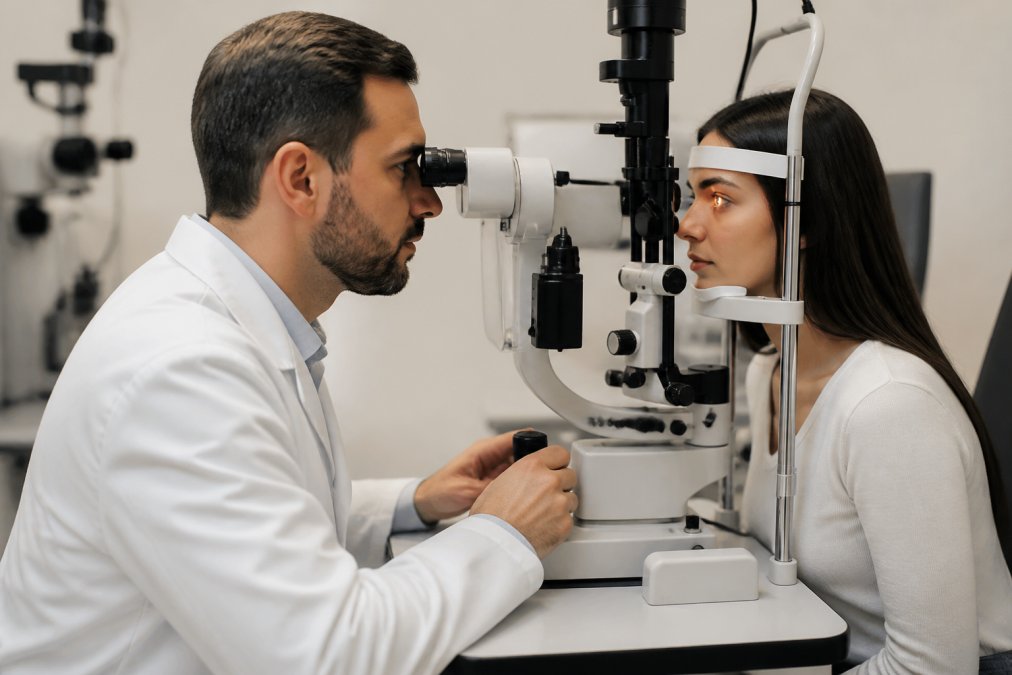
Your exam begins with a detailed health history. Your optometrist will ask about your current vision concerns, any eye problems you've experienced, medications you take, family history of eye disease, and your overall health. This information is critical because many systemic conditions, diabetes, high blood pressure, autoimmune diseases, show signs in the eyes.
Visual Acuity and Refraction Testing
Visual acuity testing measures how clearly you can see at various distances. You'll read letters on a chart, starting with large letters and progressing to smaller ones. Refraction testing follows, using a device called a phoropter to determine your exact prescription for glasses or contacts. The optometrist will show you different lens combinations, asking "Is this better, or is this better?" to find the prescription that gives you the clearest vision.
Intraocular Pressure and Glaucoma Screening
Glaucoma is a serious eye disease characterized by elevated intraocular pressure that damages the optic nerve. Many people have glaucoma without knowing it because there are no early symptoms. Screening typically involves tonometry, a test that measures the pressure inside your eye. The most common method is applanation tonometry, where a small probe gently touches the front of your eye after numbing drops are applied. Elevated intraocular pressure doesn't automatically mean you have glaucoma, but it's an important risk factor that requires monitoring.
Retinal Health Assessment and Pupil Dilation
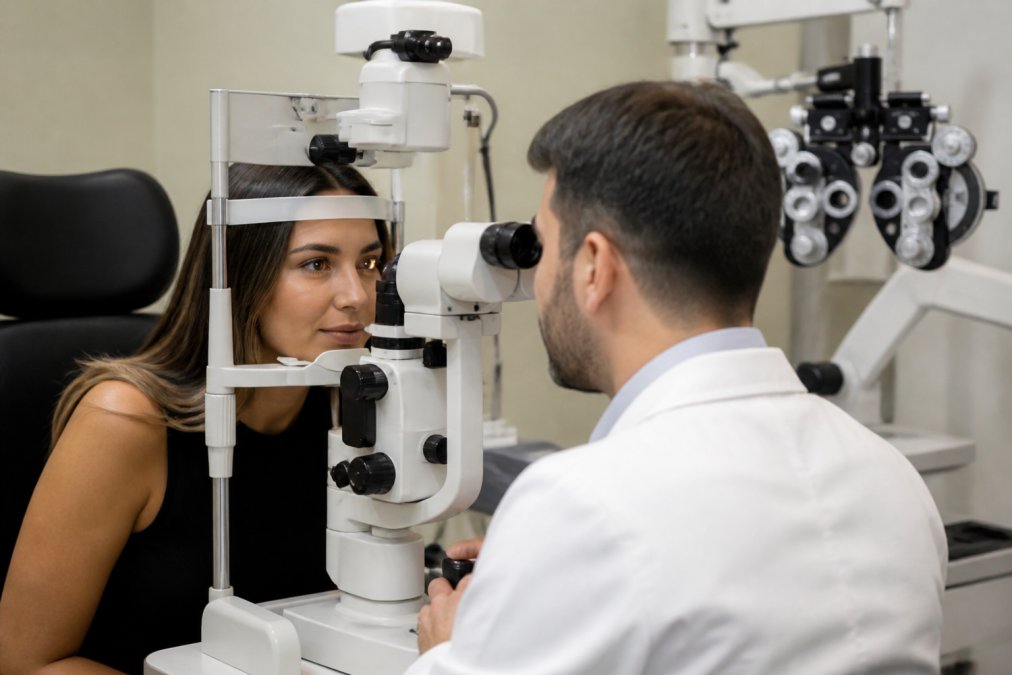
Examining the retina is essential for detecting serious conditions like diabetic retinopathy, macular degeneration, and retinal detachments. To see the retina clearly, your optometrist will dilate your pupils using special eye drops. Pupil dilation takes 20 to 30 minutes to reach full effect, during which your pupils remain enlarged, making your eyes sensitive to light and blurring your near vision temporarily (aao.org). This is why it's helpful to bring sunglasses to your appointment or have someone else drive. Once your pupils are dilated, your optometrist uses a specialized lens and bright light to examine your retina in detail, looking for signs of disease and structural problems.
Comprehensive Eye Exam vs. Vision Screening
The difference between a comprehensive eye exam and a vision screening is significant. A vision screening is a quick check, often just 10 to 15 minutes, that tests whether you can see clearly at distance. School screenings, workplace screenings, and the vision portion of your annual physical are examples. Screenings answer one question: "Can you see the letters on the chart?" They do not evaluate eye health, screen for disease, or assess the internal structures of your eye.
A comprehensive eye exam is a complete evaluation of eye health and function. It includes detailed health history, visual acuity and refraction, intraocular pressure measurement, retinal assessment, and evaluation of eye muscle coordination and peripheral vision. A child might pass a school vision screening and still have an undiagnosed refractive error causing headaches, or an adult might pass a workplace screening and have early-stage glaucoma silently progressing toward vision loss. Screenings are better than nothing, but they're not a substitute for comprehensive evaluation.
How Often Should Adults Get an Eye Exam?
How frequently you need a comprehensive eye exam depends on your age, health status, and risk factors. For healthy adults with no eye disease and no significant risk factors, many eye care professionals recommend a comprehensive eye exam every one to two years (aao.org). If you're over 60, or if you have risk factors like diabetes, high blood pressure, or a family history of eye disease, annual exams are typically recommended. If you have an existing eye condition being managed, you may need more frequent exams to monitor the condition and adjust treatment as needed.
Your prescription can also change over time, particularly as you age. Regular exams ensure your glasses or contact lens prescription stays current, which improves your vision and reduces eye strain and headaches. Have this conversation with your eye care provider so they can assess your individual risk factors and recommend an exam schedule that makes sense for you.
Early Detection of Eye Diseases and Systemic Conditions
One of the most compelling reasons to get a comprehensive eye exam is early detection. Many serious eye diseases develop without symptoms, and by the time you notice vision changes, irreversible damage has occurred. Regular comprehensive exams catch these conditions in their early stages, when treatment is most effective.
Common Eye Conditions Detected in Comprehensive Exams
Glaucoma is a progressive disease where elevated intraocular pressure damages the optic nerve, leading to vision loss and blindness if untreated. Early detection through regular tonometry and optic nerve assessment is critical because glaucoma has no early symptoms. Once detected, treatment can slow or halt progression.
Cataracts develop when the lens of your eye becomes cloudy, typically as a result of aging. In early stages, cataracts cause no symptoms. A comprehensive exam can detect them before they affect your vision.
Diabetic retinopathy occurs when high blood sugar damages blood vessels in the retina. It's a leading cause of vision loss in working-age adults. Regular dilated eye exams are the standard way to catch it early.
Age-related macular degeneration (AMD) affects the central part of the retina, causing progressive vision loss in older adults. Early detection allows for interventions that can slow progression.
How Eye Exams Reveal Overall Health
Your eyes are windows into your overall health. Many systemic conditions show signs in the eyes before they're diagnosed elsewhere. Diabetes often shows signs in the retina through changes in blood vessels and bleeding. Hypertension can cause similar retinal changes. Autoimmune diseases like lupus and rheumatoid arthritis sometimes manifest with eye inflammation. High cholesterol can cause deposits in the cornea. Thyroid disease can affect eye muscles and cause bulging eyes. This is why your eye care provider asks detailed questions about your health history and medications.
The Real Value: Prevention vs. Treatment Costs
The question "Is a comprehensive eye exam worth it?" often comes down to cost. But this calculation misses the bigger picture of prevention versus treatment. Untreated eye disease is expensive. Glaucoma that progresses to blindness requires significant lifestyle adjustments and often results in lost productivity. Diabetic retinopathy that causes vision loss requires ongoing management and can lead to disability.
A comprehensive eye exam costs far less than treating advanced eye disease. Regular exams allow your optometrist to detect problems early, when they're easier and less expensive to manage. Early-stage glaucoma can often be controlled with eye drops. Early cataracts may not require surgery for years. Beyond direct costs, there's the value of maintaining your vision and quality of life. Vision loss affects your ability to work, drive, read, and enjoy activities you care about. Additionally, a comprehensive eye exam can detect systemic health problems, diabetes, hypertension, high cholesterol, before they're diagnosed through other means, leading to earlier treatment and better long-term health outcomes.
Why Adults Skip Eye Exams (and Why They Shouldn't)
Many adults go years without a comprehensive eye exam, even though they see their primary care doctor regularly. The most common reason is "I don't have vision problems, so I don't need an eye exam." This reasoning ignores the fact that many serious eye diseases develop without symptoms. You can't feel glaucoma developing or sense early cataracts. By the time you notice vision changes, damage may be irreversible.
Cost is another barrier. Some people assume eye exams are expensive or worry about the cost of glasses or contacts if their prescription changes. While there is a cost to eye care, it's generally manageable, and many insurance plans cover routine eye exams. Even without insurance, the cost of an exam is far less than treating advanced eye disease. Many practices, including Wilck Schwartz & Novak OD PC, work with patients to discuss options and find solutions that fit their budget.
Inconvenience and past negative experiences are other factors. Eye exams take time, often 60 to 90 minutes. But this is an investment in your health that pays dividends. One appointment every one to two years is a small commitment compared to the potential consequences of missing serious eye disease. If you had a bad experience at another practice, find a provider who takes time with you and listens to your concerns. At Wilck Schwartz & Novak OD PC, we're committed to creating a warm and inviting environment where you feel heard and cared for.
The answer to whether a comprehensive eye exam is worth it for adults is clear: yes. A comprehensive eye exam does far more than update your prescription. It detects serious eye diseases in their early stages, reveals signs of systemic health conditions, and preserves your vision and quality of life. Regular comprehensive exams are one of the most important investments you can make in your long-term health.
If you haven't had a comprehensive eye exam in the past year or two, or if you have risk factors like diabetes, high blood pressure, or a family history of eye disease, schedule an appointment today. At Wilck Schwartz & Novak OD PC, we use advanced optometric equipment and modern technologies to provide thorough, precise eye health assessment. Our commitment to early detection and personalized care ensures you receive the comprehensive eye exam you deserve. Schedule an Appointment with our team and take the first step toward optimal eye health and overall well-being.
Frequently Asked Questions
Can a comprehensive eye exam detect health issues beyond vision?
Yes. A comprehensive eye exam reveals signs of diabetes, high blood pressure, high cholesterol, and other systemic diseases through examination of the retina, blood vessels, and optic nerve. The eye's blood vessels and tissues often show early signs of chronic health conditions before other symptoms appear, making regular exams valuable for overall health monitoring.
How is a comprehensive eye exam different from a basic vision screening?
Vision screenings check only whether you can see clearly and may identify the need for glasses. A comprehensive eye exam includes visual acuity testing, refraction, intraocular pressure measurement, retinal health assessment, and evaluation of eye muscle coordination and binocular vision. Comprehensive exams detect early-stage glaucoma, cataracts, diabetic retinopathy, and macular degeneration that screenings miss.
Do they dilate your eyes during a comprehensive eye exam?
Pupil dilation is typically part of a comprehensive eye exam, allowing the eye doctor to examine the retina, optic nerve, and blood vessels in detail. Dilation takes 20-30 minutes to wear off and temporarily blurs near vision and increases light sensitivity. It's an essential step for detecting diseases like diabetic retinopathy and macular degeneration that aren't visible without dilation.
How often should an adult get a comprehensive eye exam?
Adults aged 18-60 with no eye disease risk factors should have a comprehensive eye exam every 1-2 years. Adults over 60, those with diabetes, high blood pressure, or a family history of eye disease, and people taking medications that affect vision should have annual exams. Your eye doctor will recommend the schedule that fits your individual risk profile and health history.
This article was written using GrandRanker