 ultimate-guide
Early Signs of Cataracts in Adults: What to Watch For
Table of Contents
- What Are Cataracts and How They Develop
- Early Signs of Cataracts You Shouldn't Ignore
- Self-Assessment Checklist for Early Cataract Detection
- Why a Comprehensive Eye Exam for Cataracts Matters
- When Is Cataract Surgery Necessary
- Cataract Surgery Recovery Time and What to Expect
- Differentiating Cataracts from Other Age-Related Eye Conditions
- Nutritional Support and Prevention Strategies
- Frequently Asked Questions
Last Updated: August 28, 2026
What Are Cataracts and How They Develop
A cataract is a clouding of the eye's natural lens that develops gradually over time, typically as a result of aging (nei.nih.gov). When proteins in the lens break down and clump together, they create an opaque area that scatters light and reduces vision clarity. Most cataracts develop as a natural part of aging, though other factors can accelerate their formation.
Risk factors for cataract development include prolonged exposure to ultraviolet light, certain medications such as corticosteroids, eye injuries, previous eye surgery, diabetes, smoking, and excessive alcohol consumption (the CDC). Understanding your personal risk factors helps you stay vigilant about monitoring your eye health and seeking professional evaluation when needed.
At Wilck Schwartz & Novak OD PC, we emphasize the importance of recognizing cataracts early, before they progress to a stage where they significantly interfere with your quality of life. Our comprehensive eye exams are designed to detect the subtle changes that indicate early cataract formation, allowing for timely intervention and discussion of your treatment options.
Early Signs of Cataracts You Shouldn't Ignore
The early signs of cataracts in adults often develop so gradually that people dismiss them as normal aging. Recognizing these subtle changes and bringing them to the attention of an eye care professional is key to managing cataracts effectively.
Vision Changes That Signal Early Cataracts
Blurred vision is often the first noticeable symptom of early cataract development, typically starting as slight haziness that affects both near and distance vision. Some individuals describe the sensation as looking through a frosted window.
A shift in your eyeglass or contact lens prescription can also indicate emerging cataracts. If you've had a stable prescription for years and suddenly notice that your vision has changed, this could signal developing cataracts. Double vision, or diplopia, can occur when cloudiness develops unevenly across the lens. Difficulty focusing on fine details, such as small print, often accompanies these vision changes.

Difficulty with Night Driving and Glare
One of the most troubling early signs of cataracts in adults is increased difficulty with night driving and sensitivity to glare. Cataracts scatter light as it passes through the clouded lens, creating halos around light sources and reducing contrast sensitivity. People with early cataracts often notice that oncoming headlights seem brighter and more bothersome, and streetlights may appear surrounded by a halo effect.
Night driving becomes particularly challenging because reduced contrast sensitivity makes it harder to distinguish the road and obstacles in low-light conditions. Some people respond by limiting their driving to daylight hours, which can significantly impact their independence and quality of life.
Glare sensitivity extends beyond driving situations. Bright sunlight reflecting off water, snow, or pavement can become uncomfortable, and indoor lighting may seem harsher than before.
Color Fading and Yellowing
As cataracts develop, colors begin to appear faded, muted, or yellowed. Blues and purples are particularly affected and may appear more like grays or browns. This color shift happens so gradually that many people don't consciously notice it until someone points it out. The yellowing effect is one reason why people with cataracts may struggle with activities that depend on color discrimination, such as cooking, gardening, or matching clothing.
Self-Assessment Checklist for Early Cataract Detection
While a comprehensive eye exam from a qualified optometrist or ophthalmologist is the only definitive way to diagnose cataracts, you can use this self-assessment checklist to monitor your vision and determine whether professional evaluation is warranted. If you answer yes to several of these questions, schedule an appointment for a thorough eye examination.
- Do you notice that your vision has become slightly blurry or hazy, even with your current glasses or contacts?
- Has your eyeglass or contact lens prescription changed within the past year or two?
- Do you experience increased difficulty reading small print, even with adequate lighting?
- Do you notice halos or glowing rings around bright lights, especially at night?
- Has night driving become more challenging or uncomfortable due to glare from oncoming headlights?
- Do colors appear less vibrant or more yellowed than you remember them being?
- Do you find yourself squinting more frequently to see clearly?
- Have you noticed double vision in either eye?
- Do you experience increased sensitivity to bright sunlight or indoor lighting?
- Has your ability to see in dim lighting declined noticeably?

| Early Cataract Sign | What to Notice | When to Schedule an Exam |
|---|---|---|
| Blurred vision | Gradual haziness in one or both eyes | Any noticeable change from baseline |
| Glare sensitivity | Halos around lights, difficulty with night driving | When it affects daily activities |
| Color fading | Yellowing or muting of colors, especially blues | When you notice a shift in perception |
| Prescription changes | Sudden shift in your eyeglass prescription | Within 1-2 years of change |
| Double vision | Objects appearing as two instead of one | Immediately, same day if possible |
Why a Comprehensive Eye Exam for Cataracts Matters
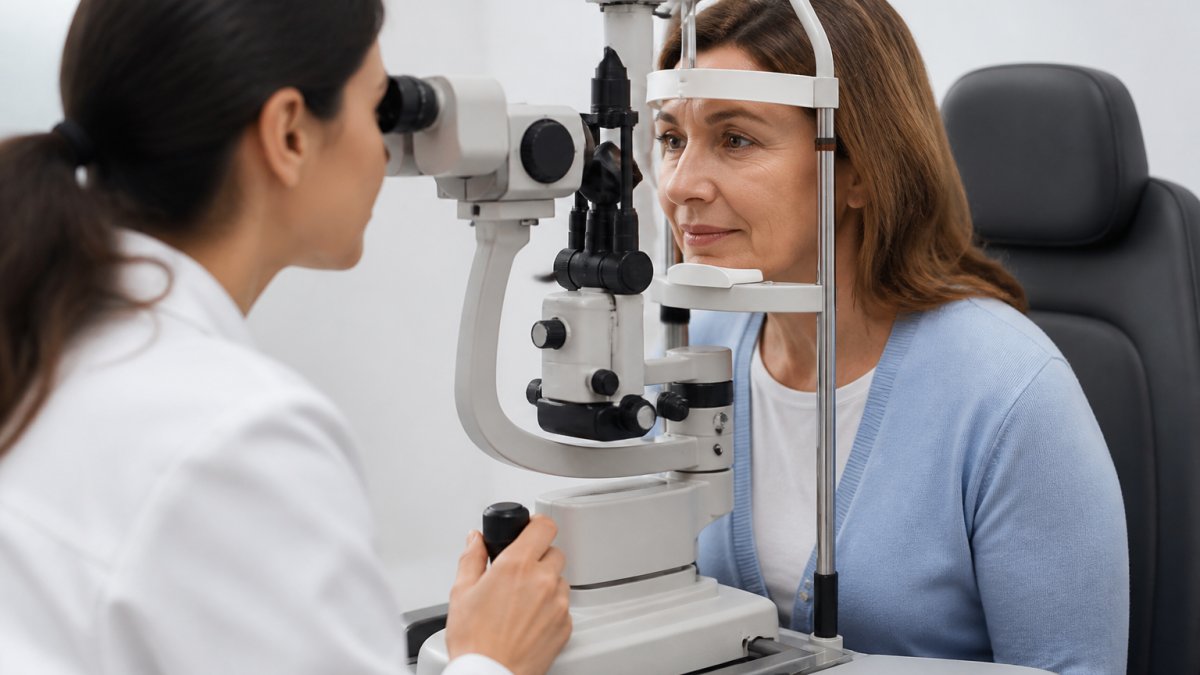
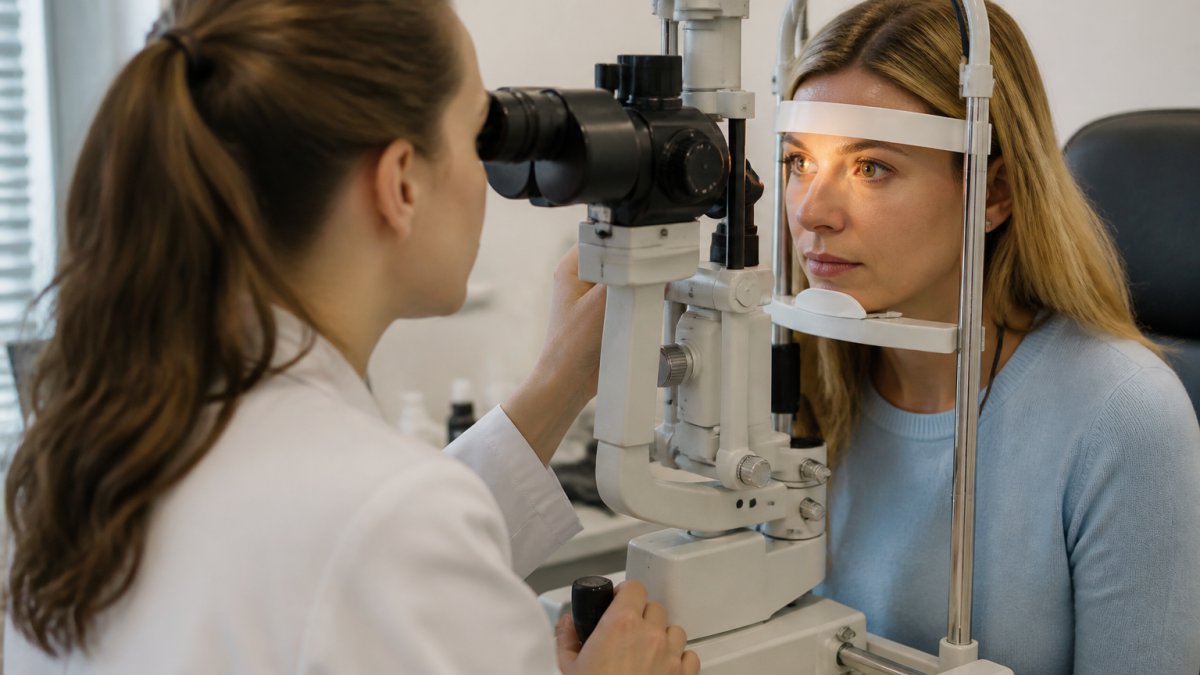
A comprehensive eye exam is far more thorough than a basic vision screening and is essential for detecting early cataracts before they progress significantly. During a comprehensive exam, your eye care provider uses specialized equipment to examine the lens in detail and assess how cataracts are affecting your vision.
The eye exam typically includes visual acuity testing, a dilated eye exam to view the entire lens, contrast sensitivity testing to evaluate your ability to distinguish objects against similar backgrounds, and glare testing. Many people miss early signs of cataracts because changes develop so gradually that the brain adapts to reduced vision quality. A professional eye exam provides an objective measure of your vision and allows your provider to track changes over time.
Early detection of cataracts allows you and your eye care provider to make informed decisions about your treatment options. At Wilck Schwartz & Novak OD PC, our commitment to early detection means we catch cataracts at stages when intervention can make the most meaningful difference in your quality of life. Our advanced optometric equipment enables precise assessment of lens opacity and its impact on your vision.
When Is Cataract Surgery Necessary
Cataract surgery becomes necessary when the cloudiness of the lens begins to significantly interfere with your daily activities and quality of life. There is no fixed threshold at which surgery is required. Instead, the decision to proceed with surgery is based on how much the cataract is affecting your vision and your ability to perform tasks that matter to you.
Some people with cataracts can function adequately with updated eyeglasses or contacts and improved lighting. However, if you find yourself avoiding activities you enjoy because of vision problems, or if you're concerned about safety while driving, these are signs that surgery should be seriously considered.
The timing of cataract surgery is ultimately a personal decision made in consultation with your eye care provider. There is no medical urgency to remove a cataract at a particular stage of development, and waiting will not cause permanent damage to your eye. Your eye care provider can help you weigh the benefits of surgery against any concerns you may have.
Cataract Surgery Recovery Time and What to Expect
Understanding cataract surgery recovery time helps you prepare for the procedure and set realistic expectations. Most people experience relatively quick recovery from cataract surgery, though full healing takes several weeks. The initial recovery period, during which you'll need to take precautions to protect your eye, typically lasts about one week.
Immediately after surgery, your eye will be sensitive and may feel scratchy or uncomfortable. You'll receive prescribed eye drops to prevent infection and reduce inflammation, and it's critical to use these exactly as directed. Most people notice gradual improvement in their vision over the first few days and weeks following surgery.
During the first week of recovery, you'll need to avoid strenuous activity, heavy lifting, and anything that could introduce bacteria into the eye. By the end of the first week, most people can resume many normal activities, though some precautions remain in place. Most people achieve their final vision outcome within four to six weeks after surgery, though some notice continued improvement for up to three months (aao.org).
Differentiating Cataracts from Other Age-Related Eye Conditions
Several age-related eye conditions can produce symptoms similar to those of cataracts, which is why professional evaluation is so important. Age-related macular degeneration (AMD) affects the central part of the retina and typically produces a dark or blurry spot in the center of your visual field, whereas cataracts cause overall haziness.
Diabetic retinopathy affects blood vessels in the retina and often produces floaters and may cause sudden vision changes. Presbyopia, the age-related loss of the eye's ability to focus on near objects, affects the lens's flexibility rather than its clarity and typically makes near vision more difficult while distance vision remains relatively clear.
Dry eye syndrome can cause blurred vision, discomfort, and glare sensitivity, but typically produces intermittent symptoms that improve with artificial tears, whereas cataracts produce progressive vision changes that don't respond to eye drops. A comprehensive eye exam can distinguish between these conditions and identify the actual cause of your symptoms.
Nutritional Support and Prevention Strategies
While cataracts cannot be prevented entirely, certain lifestyle choices and nutritional approaches may help slow their development or reduce your risk of developing them. Antioxidants play a key role in protecting the lens from damage caused by free radicals and oxidative stress.
Vitamins C and E are powerful antioxidants that may help protect the lens. Foods rich in vitamin C include citrus fruits, berries, bell peppers, and leafy greens. Vitamin E is found in nuts, seeds, vegetable oils, and leafy greens. Lutein and zeaxanthin, carotenoids found in dark leafy greens, spinach, kale, and broccoli, also provide protective benefits for the lens.
Protecting your eyes from ultraviolet light is one of the most effective preventive measures available. Wearing sunglasses that block both UVA and UVB rays when you're outdoors reduces your cumulative UV exposure over a lifetime. A wide-brimmed hat provides additional protection.
Maintaining overall health through regular exercise, not smoking, and limiting alcohol consumption also supports eye health. Smoking accelerates cataract formation, so quitting is one of the most impactful changes you can make if you smoke. Managing chronic conditions like diabetes through proper medical care and lifestyle choices reduces the risk of cataract development.
Regular comprehensive eye exams allow your eye care provider to monitor your lens health and catch any changes early. At Wilck Schwartz & Novak OD PC, we recommend that adults have their eyes examined at least every one to two years, with more frequent exams as you age or if you have risk factors for cataracts. These exams provide the early detection that allows you to make informed decisions about your eye care before vision problems significantly impact your life.
Early cataracts don't have to progress silently until they interfere with your independence and quality of life. The key is recognizing the subtle signs and seeking professional evaluation before vision loss becomes severe. Wilck Schwartz & Novak OD PC offers comprehensive eye exams using advanced optometric equipment designed to detect cataracts at their earliest stages, when intervention can make the most meaningful difference. Our thorough approach to early detection and precise diagnosis ensures you have the information needed to make confident decisions about your eye health. Schedule an appointment today to assess your vision and discuss any concerns about the early signs of cataracts in adults.
Frequently Asked Questions
What do cataracts feel like at the beginning?
Early cataracts often feel like looking through a foggy window or dirty glasses. You might notice blurred or cloudy vision that develops gradually, along with increased glare sensitivity and difficulty seeing clearly in bright light. Many people don't feel pain or physical discomfort, they simply notice their vision isn't as sharp as it used to be. Some describe a yellowing or browning tint to colors. If you're experiencing these sensations, a comprehensive eye exam can confirm whether cataracts are developing.
Can early cataracts be cured without surgery?
Early cataracts cannot be reversed or cured with medication, supplements, or eye drops. However, early-stage cataracts progress slowly, and many people manage them for years with updated eyeglass prescriptions and improved lighting. Your eye care professional can monitor your cataracts during regular exams and discuss when surgery becomes necessary. Once cataracts significantly impact your daily activities and vision, surgery is the only effective treatment. Nutritional support and UV protection may help slow progression, but they cannot eliminate existing cataracts.
At what age do most people develop cataracts?
Cataracts are age-related and most commonly develop in adults over 60, though they can appear earlier depending on genetics, health conditions, and lifestyle factors. Some people develop early cataracts in their 40s or 50s, while others don't show signs until much later. Risk factors include prolonged UV exposure, diabetes, smoking, and certain medications. Regular eye exams help detect cataracts early, regardless of age, so you can plan treatment before they significantly affect your vision and quality of life.
How long can you have cataracts without knowing?
Cataracts develop gradually over months or years, and many people don't realize they have them until vision changes become noticeable. Some individuals have early cataracts for several years without knowing, especially if they're mild and affect only part of the lens. This is why regular comprehensive eye exams are essential, they detect cataracts and other eye conditions before you notice symptoms. Early detection allows you to monitor progression and make informed decisions about treatment timing, preventing unexpected vision loss that could affect driving safety and daily activities.
This article was written using GrandRanker